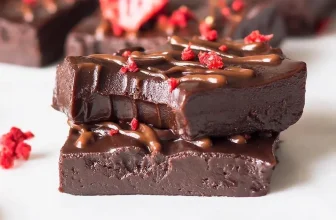
The Ultimate Chocolate Dessert Charcuterie Board
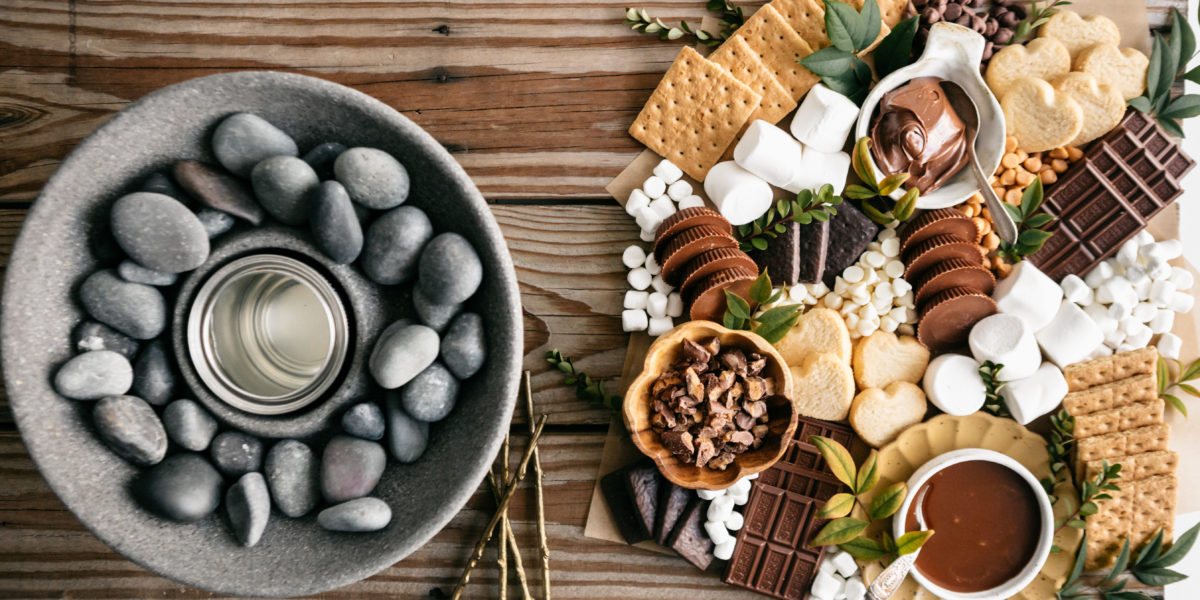
A chocolate dessert charcuterie board is one of the most inviting and indulgent ways to celebrate dessert. It takes the concept of a classic cheese or meat board and turns it into a stunning display of sweetness. From rich truffles and dark chocolate bark to fruit, cookies, and creamy dips, it’s a feast for both the eyes and the taste buds. I’ve always loved how a well-assembled dessert board brings people together. It invites conversation, curiosity, and indulgence all at once, offering something for everyone without a single plate of the same dessert in sight.
Building the Perfect Foundation
The key to a show-stopping chocolate dessert charcuterie board starts with the right foundation. The board itself sets the tone, so I usually go for something rustic and large enough to accommodate all the different textures and colors. A wooden serving board works beautifully, though marble or slate adds an elegant touch. What matters most is space, enough room to build layers and variety without overcrowding.
Before laying anything down, I map out the flow of the board in my mind. I imagine how people will approach it, where their eyes will go first and how their hands will move from one treat to another. This helps me balance the heavier items, like brownies and chocolate-covered pretzels, with lighter, more delicate additions such as fruit and meringue kisses.
I like to start with small bowls or ramekins to anchor the layout. These are perfect for dips, spreads, or anything that could melt or crumble, such as chocolate mousse, caramel sauce, or whipped cream. Placing them first helps create structure, and I build outward from there, filling in the spaces with smaller sweets.
Choosing the Right Chocolates
No chocolate board can shine without the main attraction: chocolate in all its glorious forms. Variety is what makes the presentation so striking, so I include a balance of dark, milk, and white chocolate. Each one offers a unique flavor and texture that appeals to different tastes.
For dark chocolate lovers, I include high-quality bars broken into rustic pieces, chocolate bark with sea salt, and small squares filled with espresso or orange zest. These deeper flavors add sophistication and contrast beautifully against sweeter items.
Milk chocolate brings a creamy, nostalgic comfort. I usually add truffles, fudge bites, and chocolate caramels. Sometimes, I make chocolate-dipped shortbread or sandwich cookies filled with milk chocolate ganache for a homemade touch.
White chocolate adds brightness to the board, both visually and in flavor. I use white chocolate-covered pretzels, bark with dried fruit, or small clusters made with almonds and coconut. It balances the intensity of dark chocolate while adding a creamy sweetness that pairs perfectly with fresh fruit.
Balancing Textures for Visual and Flavor Appeal
What makes a chocolate dessert board truly captivating is the mix of textures. Soft, smooth, crunchy, and chewy elements all have their place. I like to include something crisp, like biscotti or chocolate wafer rolls, to contrast creamy dips or rich brownies.
Truffles bring a velvety richness, while chocolate bark adds snap. Fudge and brownies lend a dense, chewy satisfaction, and cookies contribute variety. To break up the chocolate heaviness, I include fresh fruit, strawberries, raspberries, and orange slices all pair wonderfully with cocoa flavors. The juicy freshness refreshes the palate and prevents the board from feeling too heavy.
Another textural addition I love is meringue. These airy bites add a light sweetness that complements darker chocolate pieces beautifully. For a touch of salt, I sometimes include chocolate-covered pretzels or salted caramel bites. The balance between sweet and salty makes each bite even more addictive.
Creative Chocolate Dips and Spreads
The dips and spreads are what give the dessert charcuterie board an interactive quality. Guests love assembling their own combinations, dipping fruits or cookies into silky sauces and layering flavors as they please.
A rich chocolate ganache is always a must. I make it by combining equal parts of high-quality chocolate and warm cream until it turns smooth and glossy. For something more playful, I include a bowl of Nutella or a chocolate-peanut butter swirl.
To add contrast, I like to serve a light white chocolate or caramel sauce alongside the darker dips. It allows guests to mix and match flavors. Marshmallow fluff or whipped cream adds airiness, making the experience feel indulgent but not overwhelming.
Sometimes, I prepare a mousse-style dip flavored with coffee or liqueur for an extra layer of sophistication. These little touches make the board feel more like a curated dessert experience than a simple assortment of sweets.
Adding Fruits and Fresh Elements
While chocolate is the star, fresh fruit plays a vital supporting role. The natural sweetness and acidity of fruit complement the richness of chocolate perfectly. I often start with strawberries, they’re a classic for a reason. Their vibrant color and juicy bite make them irresistible next to dark chocolate.
Raspberries and cherries bring tanginess, while sliced bananas and pears add smooth, mellow flavors that balance intense cocoa notes. Dried fruits like apricots, figs, or dates provide chewiness and a deeper sweetness that pairs beautifully with milk or white chocolate.
For visual appeal, I sometimes add citrus slices or even candied orange peel. The brightness cuts through the heaviness of chocolate and adds bursts of color to the board. A scattering of mint leaves not only looks beautiful but also adds a refreshing aroma that enhances the overall sensory experience.
Incorporating Baked Treats
Baked desserts anchor the charcuterie board, giving it a sense of abundance and variety. I like to include bite-sized portions of brownies, mini cupcakes, and chocolate-dipped cookies. These add substance to the board and make it feel more complete.
Brownie bites are a crowd favorite, dense, fudgy, and perfect with a drizzle of chocolate sauce or a scoop of whipped cream. Mini chocolate chip cookies or double chocolate shortbreads offer crunch and nostalgia, while madeleines or small slices of chocolate loaf cake add a soft, buttery touch.
If I’m feeling creative, I bake chocolate tartlets or macarons. These delicate pastries bring a touch of elegance that elevates the board’s overall look. Mixing homemade treats with a few store-bought items keeps the process manageable without sacrificing presentation.
Adding Crunch with Nuts and Snacks
Texture plays a huge role in how satisfying a dessert feels, and nuts are the perfect way to add crunch and balance to a chocolate-heavy board. I like to scatter roasted almonds, hazelnuts, or pecans between the sweets. They provide a toasty aroma that complements both milk and dark chocolate beautifully.
Candied nuts or chocolate-covered almonds add an extra layer of sweetness, while plain roasted ones offer a savory break from the sugar. For variety, I sometimes include popcorn drizzled with dark chocolate or caramel. It adds a playful, unexpected element that’s always a hit with guests.
Pretzels are another great addition. Their salty, crisp bite contrasts the smooth chocolate, making every combination more interesting. Arranging them in small clusters around the board gives it dimension and visual flow.
Styling and Arrangement
The beauty of a charcuterie board lies not only in what’s on it but also in how it’s presented. I approach the arrangement like painting a picture, balancing colors, textures, and shapes to create a sense of movement.
I start by placing the bowls of dips first, then arrange the largest items, like brownies or fruit clusters, around them. Next, I fill the gaps with smaller items, layering different shades of brown and cream for contrast. Fruits and bright elements are added last to break up the darker tones and bring the board to life.
Height also matters. Stacking cookies, layering bark, and tucking in truffles at angles create a three-dimensional look that draws the eye. The key is to make it feel abundant but not chaotic, with just enough space for each item to stand out.
To finish, I might drizzle a bit of melted chocolate across part of the board or sprinkle crushed nuts for texture. The final look should feel lush, inviting, and slightly imperfect, like a sweet landscape waiting to be explored.
Themed Chocolate Boards for Different Occasions
A chocolate dessert charcuterie board adapts easily to any occasion. For romantic evenings, I focus on elegance, dark chocolate truffles, strawberries, champagne-infused ganache, and delicate pastries. Candles and gold-rimmed glasses complete the setting.
For holidays, I like to add seasonal touches. In winter, peppermint bark, spiced cookies, and hot chocolate truffles make the board festive and cozy. In summer, I incorporate tropical fruits, coconut clusters, and chocolate-dipped ice cream bites for a lighter, more playful vibe.
For birthdays or celebrations, I go bold with colors and decorations. Chocolate-dipped marshmallows, colorful candies, and a mix of textures make it fun and inviting for guests of all ages. The beauty of this dessert board is its flexibility, it can shift from rustic charm to refined luxury with just a few thoughtful adjustments.
Pairing Drinks with Chocolate
No dessert board is complete without drinks that complement the flavors. I like to pair rich chocolate desserts with beverages that enhance their depth. Coffee, espresso, and cappuccino work beautifully, balancing sweetness with their roasted notes.
For something more indulgent, hot chocolate with a hint of cinnamon or chili can mirror the richness of the board while adding warmth. Wine lovers might enjoy pairing dark chocolate with red wines like Cabernet Sauvignon or Zinfandel, while milk chocolate goes beautifully with lighter dessert wines or creamy liqueurs.
For non-alcoholic options, sparkling water or herbal teas like mint or chamomile provide a refreshing balance between bites. The key is to serve drinks that cleanse the palate and complement the wide range of flavors on the board.
Why This Dessert Concept Works So Well
What makes a chocolate dessert charcuterie board irresistible is how communal it feels. It turns dessert into an experience, one that’s shared, interactive, and full of choice. Instead of a single plated dessert, guests get to explore flavors, textures, and combinations at their own pace.
It also reflects creativity and care. The variety shows thoughtfulness, the presentation draws admiration, and the flavors satisfy everyone from chocolate purists to adventurous tasters. It’s a dessert that looks impressive yet feels effortless once you know how to balance it.
The best part is that it’s endlessly customizable. You can adjust it to suit the season, the occasion, or your own cravings. Whether it’s a cozy night in or a lavish celebration, a well-made chocolate dessert board never fails to make people smile.
Conclusion
The Ultimate Chocolate Dessert Charcuterie Board is more than just a collection of sweets, it’s a sensory adventure. The interplay of rich chocolate, fresh fruit, crunchy textures, and creamy dips creates an experience that’s as beautiful as it is delicious. Each bite tells its own story, and each combination feels new. It’s a dessert that encourages creativity, sharing, and indulgence in equal measure. With thoughtful planning and a touch of imagination, this board becomes the centerpiece of any gathering, proving that chocolate, in all its forms, truly brings people together.