The Art of Gifting Chocolate: What Your Choice Says About You

Chocolate has a way of saying what words often can’t. It speaks the language of affection, thoughtfulness, and connection without needing explanation. From the glossy packaging to the delicate aroma that escapes once unwrapped, gifting chocolate has always been more than a simple gesture. It’s an act that carries meaning, revealing the giver’s personality, taste, and emotional intent. The kind of chocolate chosen, the presentation, and even the timing can quietly communicate how a person feels and what they value.
The Emotional Power Behind a Box of Chocolate
A box of chocolate is rarely just a treat. It’s a symbol that carries emotional weight. Chocolate has long been associated with comfort, indulgence, and love. Giving it to someone creates an immediate emotional bridge, a sweet moment shared between two people. The smooth, rich flavor evokes pleasure, while the gesture itself says, “I thought of you.”
Psychologists have often linked gift-giving with empathy and understanding. People tend to select gifts that reflect how they see the recipient or what they want to express about themselves. In that way, gifting chocolate becomes an unspoken conversation, each choice revealing something about the giver’s emotional depth, sense of style, and personal values.
The Classic Milk Chocolate Giver
People who reach for classic milk chocolate tend to be warm, comforting, and traditional in nature. They enjoy familiarity and the sense of nostalgia that comes with timeless choices. Milk chocolate represents kindness and approachability, it’s soft, sweet, and universally loved.
Givers of milk chocolate often prioritize connection over complexity. They don’t need to impress with extravagance; they just want to make others happy. They’re the kind who remember birthdays, send thank-you notes, and believe in simple joys. Their choice suggests reliability, thoughtfulness, and a preference for heartfelt gestures over grand displays.
The Dark Chocolate Connoisseur
Those who gift dark chocolate often see themselves as refined, confident, and a little mysterious. Dark chocolate carries an air of sophistication, appealing to a palate that appreciates bold flavors and subtle bitterness. It’s the kind of gift that says the giver values quality, depth, and authenticity.
People who choose dark chocolate as a gift are often introspective and emotionally intelligent. They tend to favor meaningful experiences over superficial pleasures. The slight edge of bitterness mirrors their appreciation for life’s complexities. They might be the type who enjoys art galleries, vintage wines, or deep conversations late into the night. Their chocolate choice reveals both discernment and intensity, a mix of intellect and heart.
The White Chocolate Romantic
White chocolate lovers are usually imaginative, idealistic, and deeply sentimental. It’s a sweet that doesn’t follow the traditional cocoa-forward taste, which makes it the choice of dreamers and romantics. Those who gift white chocolate often want to offer comfort and warmth. They’re the people who see beauty in softness and aren’t afraid to express tenderness.
Their gifts usually come wrapped in pretty boxes or tied with elegant ribbons, showing an eye for presentation. They value aesthetics and emotion equally, often viewing gift-giving as an art form. Choosing white chocolate sends a message of affection and care, it says, “I want you to feel cherished.”
The Adventurous Chocolate Giver
Some people skip the standard options altogether and opt for unique flavor combinations like chili-infused truffles, sea salt caramel, or matcha-covered cocoa bites. These are the adventurous givers, the ones who see chocolate as a creative expression rather than a tradition.
They’re curious, playful, and open to experiences that challenge the ordinary. Their gifts tell stories and spark curiosity. They might be the type who travels often, tries new cuisines, and values moments that surprise and delight. Gifting unusual chocolates signals a personality that enjoys pushing boundaries and introducing others to new sensations. It’s less about the safe route and more about creating memorable experiences.
The Artisan Chocolate Enthusiast
Givers who select handcrafted or small-batch chocolates reveal an appreciation for craftsmanship and detail. They’re drawn to authenticity, ethics, and artistry. They often care deeply about quality, ingredients, and the story behind what they give. Choosing a local chocolatier over a commercial brand says they value connection over convenience.
This type of giver tends to be thoughtful and deliberate. Their chocolate gifts are often chosen with intention, each flavor representing a story or emotion. They want the recipient to not just enjoy the taste but to understand the care behind it. Their gesture says, “I see you, and I wanted to give you something special.”
The Luxury Chocolate Giver
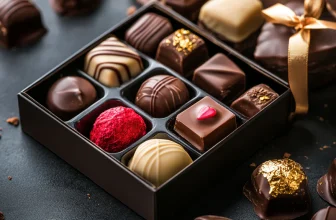
Some people turn to premium brands and elegant boxes that look like jewelry cases. The luxury chocolate giver enjoys refinement and sees gift-giving as an opportunity to make an impression. They might choose sleek, gold-accented packaging and rare cacao blends, emphasizing elegance and exclusivity.
Their choice often reflects ambition and attention to presentation. They value quality and want their gifts to leave a lasting impression. It’s not just about sweetness, it’s about creating a sense of occasion. People who gift luxury chocolates often have strong aesthetic sensibilities and appreciate things that feel timeless and polished.
The Homemade Chocolate Creator
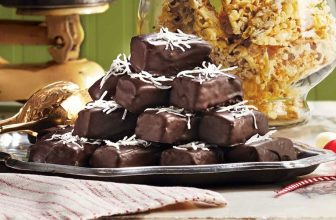
There’s something deeply personal about gifting chocolate made by hand. Whether it’s truffles rolled in cocoa powder or bark layered with nuts and fruit, homemade chocolate gifts reveal a giver who values sincerity and intimacy. These individuals see food as an extension of love and creativity.
They’re often nurturing and expressive, preferring to invest time rather than money to show affection. Each batch tells a story of patience and care. For them, chocolate isn’t a product, it’s a personal message wrapped in sweetness. Their gift says, “I took time to make something just for you,” and that effort makes it unforgettable.
The Minimalist Chocolate Giver
Then there are those who gift a single, perfectly wrapped bar of fine chocolate instead of a grand assortment. These givers are understated and confident. They believe less is more and that beauty lies in simplicity. Their choices often reflect calmness, self-assurance, and clarity.
A minimalist chocolate gift often stands out because of its elegance. It speaks softly but meaningfully, showing restraint and taste. These givers are likely introspective and precise, valuing subtle gestures over showy displays. They give with quiet intention rather than extravagance.
The Psychology Behind Chocolate Gifting
Gift-giving is often a reflection of how people express emotion. Chocolate, in particular, embodies warmth, care, and delight, all of which appeal to the senses and the heart. Psychologists suggest that chocolate gifts trigger both pleasure and gratitude because they engage multiple senses: taste, touch, and even smell.
The act of giving chocolate activates reward centers in the brain for both giver and receiver. It’s a shared burst of happiness, a mutual moment of joy. Chocolate also carries deep cultural meaning, symbols of affection, celebration, and friendship. That’s why it feels appropriate in nearly every situation, from holidays to apologies to spontaneous surprises.
People often project aspects of themselves into their gifts. The kind of chocolate selected reveals not just what they think the other person likes but how they want to be perceived. It’s an exchange of emotion as much as a material token.
What Chocolate Says About the Occasion
Different occasions influence the kind of chocolate people choose. For romantic gestures, dark or truffle-filled chocolates dominate because they convey passion and intimacy. For friendly exchanges or workplace appreciation, lighter, playful chocolates like pralines or caramels feel more appropriate, they’re approachable and cheerful.
Seasonal gifts often bring creativity to the forefront. Around holidays, people experiment with spiced chocolates, peppermint bark, or fruit-filled assortments. Each choice mirrors the mood of the season and the relationship dynamic. For birthdays, variety boxes suggest thoughtfulness, while single-origin bars might reflect admiration for someone’s refined taste.
The Hidden Language of Presentation
How chocolate is presented often says as much as the type itself. A carefully wrapped box with a handwritten note suggests sincerity and effort. Sleek, minimalist packaging implies modernity and elegance. A rustic, handmade presentation speaks to authenticity and warmth.
Presentation extends beyond aesthetics, it shows intention. Someone who adds personal touches like a ribbon, small card, or thoughtful message understands that presentation transforms a gift into an experience. It’s a reflection of attention and emotional intelligence, revealing the giver’s awareness of detail and care.
The Role of Culture and Tradition
Across the world, chocolate has different symbolic meanings. In Europe, gifting chocolate is deeply rooted in tradition and sophistication. In Japan, chocolate exchanges on Valentine’s Day have distinct cultural nuances, women gift men chocolate to express affection or gratitude, and men reciprocate a month later.
In many cultures, the gesture itself matters more than the chocolate’s price. A small bar can symbolize friendship, while a grand assortment might mark celebration or admiration. These traditions shape how people express emotion through chocolate, blending cultural symbolism with personal expression.
Why Chocolate Remains the Perfect Gift
Few gifts have the universal appeal that chocolate does. It transcends language, culture, and age. Its versatility allows it to fit any mood, comforting during sadness, celebratory during joy, and thoughtful during moments of gratitude. Chocolate adapts to every emotion, making it the most empathetic gift of all.
Science also supports why it feels so right. Chocolate releases endorphins, serotonin, and dopamine, all linked to pleasure and happiness. Giving it to someone else becomes a way to share that feeling. It’s not just an edible delight but an emotional exchange, a way of saying, “I want you to feel good too.”
What Your Chocolate Choice Ultimately Reveals
At its core, the chocolate you gift tells a story about who you are and how you relate to others. It can show empathy, creativity, confidence, or tradition. Milk chocolate reveals warmth and nostalgia. Dark chocolate shows depth and sophistication. White chocolate suggests gentleness and romance. Exotic blends display curiosity and playfulness.
Even those who buy chocolate impulsively express spontaneity and openness. There’s no right or wrong choice, it’s all a reflection of intention and emotion. What matters most is that chocolate, in any form, carries genuine sentiment.
Conclusion
Gifting chocolate is an art because it captures emotion in its purest, most delicious form. It reveals not just what people like but who they are and how they wish to connect. Every bar, truffle, or handmade piece tells a story, about care, creativity, and the joy of sharing sweetness with another person.
In a world where gestures often fade, the act of giving chocolate endures. It bridges hearts, awakens memories, and reminds us that sometimes, the simplest gifts hold the deepest meaning.