How to Host a Chocolate Tasting Party Like a Pro
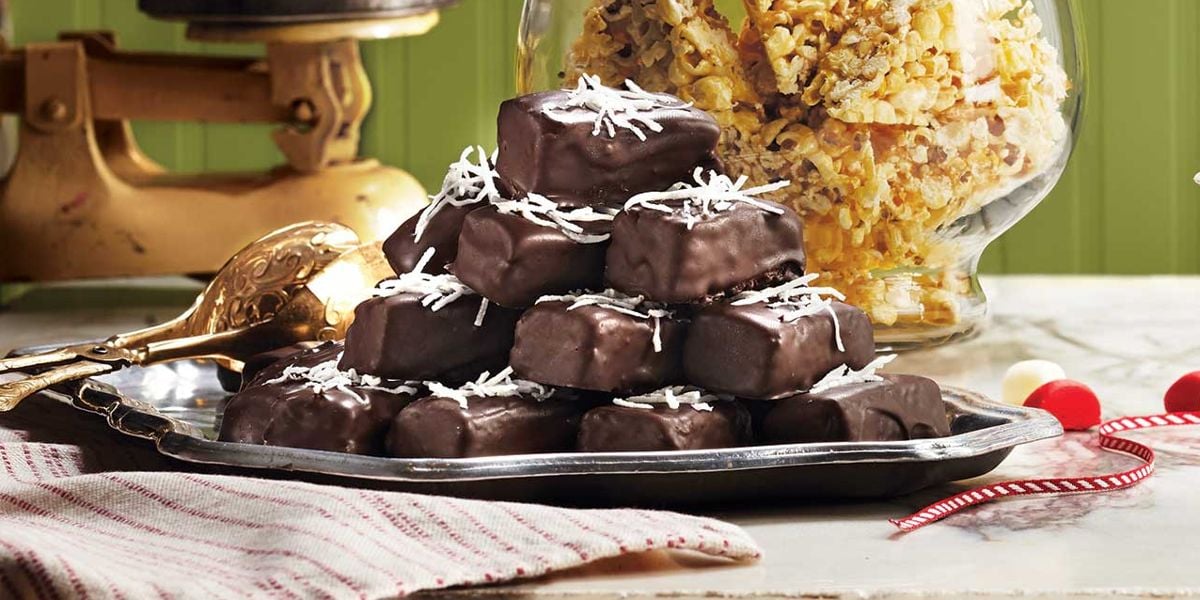
Hosting a chocolate tasting party is one of those experiences that instantly transforms an ordinary gathering into something memorable. The aroma, the texture, the complexity of flavor, all these elements come together to create a sensory experience that feels indulgent, educational, and endlessly fun. It’s not just about eating chocolate; it’s about appreciating it in the same way people savor wine or cheese. With the right preparation and a bit of creativity, anyone can host a chocolate tasting that feels professional, elegant, and full of delight.
Setting the Scene for a Memorable Chocolate Experience
Ambiance plays a big role in how guests perceive flavor. A successful chocolate tasting starts with atmosphere. Dim lighting, soft background music, and a table arranged with thoughtful detail set the tone. I like to use neutral-colored plates and napkins, allowing the natural hues of the chocolate to stand out. Candles can add warmth, but I keep them unscented so the aroma of the chocolate remains the star of the evening.
For seating, I prefer a cozy setup that encourages conversation. A long dining table or even a coffee table surrounded by comfortable chairs works perfectly. The goal is intimacy, an environment where guests can share reactions, swap opinions, and enjoy a relaxed flow. Each guest should have water for cleansing the palate and, if possible, a small notepad to jot down impressions.
Selecting the Chocolate Lineup
The chocolate itself is the centerpiece, and variety is key. A tasting should include different types of chocolate that explore origins, percentages, and flavor profiles. I usually select between six and eight samples for a well-paced experience. Any more, and guests may start to feel overwhelmed.
The best approach is to start with lighter flavors and gradually move toward darker, more complex chocolates. Begin with a creamy white chocolate, then progress through milk, dark, and perhaps an extra-dark option above 80 percent cocoa. Within each category, try to include chocolates from different regions, South America, Africa, or Madagascar, to showcase how terroir influences flavor, much like wine.
Single-origin bars work wonderfully for this. Their distinctive characteristics allow guests to experience the nuances between beans grown in different climates. I like to include one or two infused options too, such as a chili-spiced dark or a sea-salt caramel milk chocolate, to add variety and spark conversation.
How to Arrange the Tasting Table
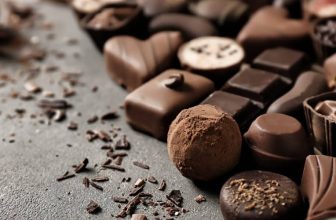
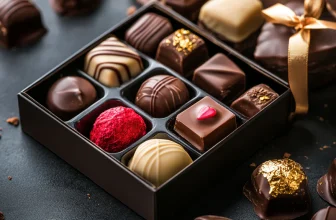
Presentation is part of the experience. I arrange the chocolates from lightest to darkest on a large wooden board or slate platter. Each piece is cut into bite-sized portions, ideally enough for each guest to sample once or twice. I label each sample with a small card that includes the cacao percentage, origin, and any flavor notes.
A separate section of the table can feature palate cleansers. Plain crackers, slices of baguette, or unsalted nuts work well between tastings. Water is essential, but sparkling water can be even better, it helps reset the palate by cutting through lingering richness. I avoid pairing wine or coffee during the main tasting because their strong flavors can overpower subtle notes. Those can come later in the evening once everyone has formed their impressions.
Introducing Guests to the Tasting Process
Before the tasting begins, I like to guide my guests through a short introduction. Most people don’t realize how multi-layered chocolate can be. By showing them how to approach it thoughtfully, the entire experience becomes more engaging.
I suggest starting with appearance, observe the color, sheen, and texture of each sample. Good chocolate should have a smooth surface and deep, rich color. Then, guests should hold it near their nose and inhale slowly. Aroma gives a preview of the flavor journey ahead, revealing hints of fruit, nuts, or spice.
Next comes the snap. Breaking a piece in half produces a distinct sound if the chocolate is properly tempered. It’s a small but satisfying detail that adds to the ritual. Finally, comes the tasting itself. Instead of chewing, let the chocolate melt slowly on the tongue. This allows the cocoa butter to release layers of flavor gradually, from the initial sweetness to subtle undertones of bitterness or acidity.
Talking About Flavor Notes
As guests sample each piece, conversation becomes the highlight of the evening. Chocolate has a surprising flavor vocabulary. It can taste fruity, floral, nutty, smoky, or even earthy depending on its origin and production. Encouraging guests to describe what they taste helps them connect with the experience on a deeper level.
I like to use a flavor wheel as a reference point. It’s a tool often used in professional tastings, mapping out possible flavor notes that appear in chocolate. Guests can use it to find words that match what they’re experiencing, perhaps cherry, honey, vanilla, or roasted almond. This turns tasting into discovery and helps everyone appreciate how complex chocolate really is.
It’s fascinating how personal taste comes into play. One guest might detect coffee undertones while another senses citrus. Discussing these impressions adds life to the table and turns a casual get-together into a lively exploration of taste.
Adding a Touch of Pairing Magic
Once the formal tasting is done, it’s fun to introduce pairings. Chocolate pairs beautifully with many things, and this part of the evening lets guests experiment. I often serve small sips of complementary drinks, perhaps red wine, bourbon, or espresso, for those who want to compare how flavors shift with different pairings.
Cheese can also be an interesting companion. A mild brie enhances milk chocolate’s creaminess, while a sharp blue cheese creates contrast with dark chocolate. Fresh fruit like strawberries, pears, or raspberries can refresh the palate and add bursts of brightness. Nuts, dried apricots, and sea salt flakes are other simple additions that elevate the overall spread.
The goal here isn’t to overwhelm but to showcase how chocolate interacts with other tastes and textures. Guests can experiment freely, finding combinations that surprise or delight them.
Incorporating Chocolate-Themed Games and Fun
Chocolate tastings don’t have to be formal. I often add playful elements to keep the mood light and engaging. A blind tasting is a great way to test palates, guests sample chocolates without knowing their type or origin and guess based on flavor. The one with the most correct guesses can win a small prize, like a specialty bar or a handmade truffle box.
Another fun activity is chocolate trivia. Questions about the history of cacao, famous chocolatiers, or global cocoa production spark friendly competition while educating guests. It’s a great balance of entertainment and insight.
You can also include a small “design your own chocolate” segment, where guests top small squares of plain chocolate with ingredients like chili flakes, coconut, or crushed pretzels before letting them set. It brings creativity into the mix and leaves everyone with a souvenir of the night.
Sourcing Quality Chocolate
The success of a tasting depends on quality. I always recommend seeking out artisanal or bean-to-bar brands rather than generic supermarket varieties. These chocolates usually list their cacao origin, flavor notes, and cocoa percentage on the packaging, providing more depth for discussion.
Local chocolatiers or specialty stores often carry unique options not found in mainstream shops. Online retailers can also provide access to international makers known for ethical sourcing and craftsmanship. Supporting small-scale producers adds an extra layer of authenticity to the experience, it connects guests not only to flavor but to the stories behind each bar.
Planning the Menu Around Chocolate
If the chocolate tasting is the main event, I like to complement it with a simple menu that enhances the theme without overwhelming it. Light appetizers such as cheese boards, crackers, and fruit platters work well before the tasting. Avoid strong spices or heavy dishes that could dull the palate.
After the tasting, dessert drinks like hot chocolate, chocolate martinis, or even chocolate-infused cocktails tie everything together. For guests who prefer non-alcoholic options, chilled chocolate milk or sparkling cocoa water adds a refreshing finish.
The key is balance, everything served should support the main attraction rather than compete with it. Chocolate already provides richness and depth, so lighter, neutral foods keep the experience pleasant from start to finish.
Paying Attention to Timing and Flow
A well-paced chocolate tasting typically lasts between one and two hours. It’s best to move through the samples slowly, allowing time for discussion, palate cleansing, and exploration. I like to introduce small breaks between sections to give guests time to savor without feeling rushed.
Start with introductions and warm-up discussions about chocolate’s history or personal favorites. Then proceed through the tasting lineup in order, concluding with pairings or games. Keeping the flow structured but flexible ensures guests stay engaged throughout the evening.
Making It Personal
What makes any gathering memorable is the personal touch. I often print small cards with details about each chocolate, origin, maker, and tasting notes, for guests to take home. Sometimes I prepare tiny goodie bags with a favorite sample from the night as a thank-you gift.
Including your own passion in the presentation makes a difference. Sharing why certain chocolates were chosen or what inspired the theme gives authenticity to the event. It becomes less about imitation and more about your unique way of celebrating chocolate.
The Role of Conversation and Connection
Chocolate tastings are about more than flavor, they’re about connection. Guests share laughs, memories, and preferences. Discussions about taste often lead to deeper conversations about travel, childhood favorites, or personal rituals involving sweets. The intimacy of the setting encourages warmth and storytelling.
By the end of the night, the table feels more like a gathering of friends than a formal event. Everyone leaves not just satisfied but inspired, carrying a new appreciation for the artistry within each piece of chocolate.
Adding a Creative Touch with Themes
To make each event unique, I like to add themes. For example, a “World of Chocolate” night can feature chocolates from five different countries, showcasing global diversity. A “Dark Chocolate Only” tasting can explore intensity and bitterness, while a “Holiday Chocolate Party” can feature festive flavors like peppermint, cinnamon, or ginger.
Decor, music, and even dress codes can align with the theme to enhance immersion. A Valentine’s Day tasting might include red accents and rose petals, while a tropical-themed night could spotlight chocolates with coconut, mango, or rum. Themes make the evening cohesive and memorable.
How to Encourage Exploration After the Event
The best chocolate tastings inspire curiosity. I often encourage guests to continue exploring chocolate afterward, trying new brands, attending local workshops, or experimenting with pairings at home. Sharing resources like favorite chocolatiers or online stores helps them dive deeper into the craft.
Hosting more tastings throughout the year can turn it into a tradition, with each event highlighting a new angle, bean origins, ethical sourcing, or flavor pairings. Over time, both you and your guests develop a refined palate and a genuine appreciation for chocolate as an art form.
Conclusion
Hosting a chocolate tasting party like a pro is about more than arranging bars and bites, it’s about creating an experience that indulges the senses and brings people together. The balance of atmosphere, variety, and conversation transforms chocolate from a simple indulgence into a shared adventure.
Each detail, from the flicker of candlelight to the first snap of a dark square, contributes to the magic. The more care and personality you put into it, the more your guests will remember not just the chocolate but the feeling of connection it inspired. In the end, that’s what makes the best chocolate tastings unforgettable, a perfect blend of flavor, friendship, and joy.