The Journey of Cacao: From Bean to Bar

Cacao’s story begins long before it melts in the mouth as silky chocolate. It starts deep in the tropics, where nature’s rhythm and human craftsmanship merge to create one of the world’s most beloved indulgences. Each bar of chocolate represents an intricate journey of transformation, effort, and tradition. From the moment a cacao pod grows on a tree to the point it becomes a finished bar, the process is a blend of agriculture, science, and artistry.
The Origins of Cacao
The cacao tree, known scientifically as Theobroma cacao, thrives in humid, tropical climates within 20 degrees of the equator. Its name translates to “food of the gods,” a title given by the ancient Mayans and Aztecs who regarded cacao as sacred. The trees produce colorful pods that range from bright yellow to deep red, each filled with dozens of seeds surrounded by a sweet, white pulp. These seeds are the precious cacao beans that will eventually become chocolate.
Farmers play a vital role in nurturing these delicate trees. Cacao is often grown on small family farms, where generations pass down their expertise. It takes patience and precision, as cacao trees can take several years to bear fruit and require consistent shade, moisture, and care. The process of harvesting the pods is done by hand using machetes, ensuring that each fruit is selected at peak ripeness.
Harvesting and Fermentation
Once harvested, the pods are cracked open to reveal the mucilaginous pulp and beans inside. The beans are scooped out and placed into shallow wooden boxes or baskets lined with banana leaves. This stage, known as fermentation, is one of the most crucial steps in developing chocolate’s signature flavor.
During fermentation, natural yeasts and bacteria break down the sugars in the pulp, generating heat that raises the beans’ temperature. Over several days, the beans transition from a raw, bitter state to one rich with potential. The chemical reactions that occur here are what give chocolate its complexity, transforming the beans from fruity and acidic to deep, aromatic, and robust.
Farmers must monitor the process closely. If fermentation lasts too long or too short, the final flavor can be compromised. It’s this careful control that separates fine chocolate from mediocre ones.
Drying the Beans
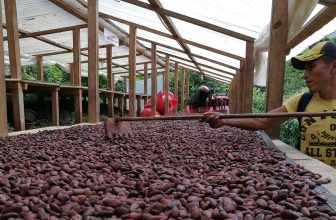
After fermentation, the beans are spread out under the sun to dry. This stage removes excess moisture, preserving the beans for storage and transport. The drying process usually takes about a week, depending on the weather. Farmers rake the beans regularly to ensure even exposure to sunlight and to prevent mold from forming.
Dried beans are then bagged and sent to chocolate makers around the world. Each batch carries the signature of its origin, the soil, climate, and methods used by local farmers. This is why single-origin chocolates are so distinct: the taste is a reflection of the land where the cacao was grown.
Roasting for Flavor
Once the beans reach the chocolate maker, the next step is roasting. This process amplifies the beans’ flavor and fills the air with that irresistible chocolate aroma. Roasting temperatures and times vary depending on the type of bean and the desired flavor profile. Light roasting tends to preserve fruity and floral notes, while darker roasting develops deeper, nutty undertones.
After roasting, the outer shell of each bean becomes brittle. The beans are cracked open, and the edible inner parts, known as nibs, are separated from the husk. These nibs are pure cacao and form the foundation of every chocolate product.
Grinding and Refining
The nibs are ground into a thick, dark paste called chocolate liquor, even though it contains no alcohol. This paste is made up of cocoa solids and cocoa butter, the natural fat found within the bean. At this stage, sugar, milk powder (for milk chocolate), and sometimes extra cocoa butter are added, depending on the desired type of chocolate.
The mixture then undergoes refining, where it’s ground even finer until it achieves a silky-smooth texture. The goal is to eliminate any graininess so that the chocolate feels luxurious on the tongue.
The Art of Conching
Conching is one of the most transformative steps in chocolate making. Named after the shell-shaped vessels traditionally used, conching involves continuously stirring and heating the chocolate for hours or even days. This process smooths out the texture and develops the flavor further. It’s during conching that chocolate loses any remaining acidity and gains its signature creamy mouthfeel.
The duration of conching depends on the chocolate maker’s preference. Some prefer shorter times for a more rustic taste, while others extend the process to achieve unparalleled smoothness. This step is often a guarded secret among master chocolatiers, as it defines the character of their final product.
Tempering for Perfection
Once the chocolate reaches the desired consistency and flavor, it must be tempered. Tempering is a precise process of heating and cooling chocolate to stabilize the cocoa butter crystals. Proper tempering gives chocolate its glossy appearance, satisfying snap, and resistance to melting too quickly in your hands.
Tempering requires careful attention. If done incorrectly, the chocolate can appear dull or develop white streaks called bloom. Professional chocolatiers often use marble slabs or advanced tempering machines, but even at home, it can be done with patience and a thermometer.
Molding and Cooling
After tempering, the chocolate is poured into molds to set. This could be a simple bar shape or intricate designs for truffles and specialty pieces. The molds are gently tapped to remove air bubbles and then cooled until the chocolate hardens.
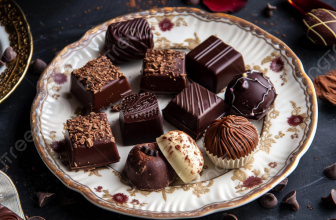
Once released from the mold, the finished bar shines with perfection, a smooth surface, a satisfying snap, and a deep aroma that hints at the journey it has undergone. From the hands of farmers to the craftsmanship of chocolatiers, each stage contributes to this final moment.
Exploring the Diversity of Cacao
Not all cacao beans are the same. The world recognizes three main varieties: Criollo, Forastero, and Trinitario. Criollo is prized for its delicate, complex flavor but is rare and difficult to cultivate. Forastero, the most common, is hardy and has a stronger, more robust taste. Trinitario is a hybrid of the two, offering balance and nuance.
Each type has unique characteristics influenced by its environment. Soil composition, rainfall, and local farming techniques all shape the taste of the cacao. This is why chocolate from Madagascar tastes distinctly different from chocolate from Ecuador or Ghana.
The Ethical Side of Chocolate
Behind every bar of chocolate lies the labor of thousands of smallholder farmers. Yet, many of them face challenges like low wages and unstable markets. Ethical sourcing and fair-trade practices are essential to ensuring that cacao farming remains sustainable and that communities thrive.
As a chocolate lover, I always try to support brands that are transparent about their sourcing. Buying from companies that prioritize fair trade helps improve the lives of farmers while preserving the environment for future generations. The awareness of where our chocolate comes from adds a layer of appreciation to every bite.
Craft Chocolate vs. Mass Production
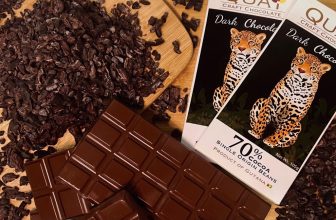
The difference between craft chocolate and mass-produced varieties lies in attention to detail. Craft chocolatiers focus on quality over quantity, often working with single-origin beans and minimal ingredients. They highlight the natural flavors of cacao rather than masking them with excessive sugar or additives.
Mass-produced chocolate, on the other hand, is made for consistency and affordability. It’s often sweeter, with a smoother texture that appeals to a broader audience. Both have their place, but craft chocolate tells a story, it connects you to the land, the people, and the process behind it.
Storing and Enjoying Fine Chocolate
Once you’ve discovered high-quality chocolate, storing it properly helps preserve its flavor. Chocolate should be kept in a cool, dry place away from direct sunlight and strong odors. Ideal storage temperature is around 18°C (65°F). Refrigeration is not recommended, as moisture can cause sugar bloom, dulling the appearance and altering the texture.
When tasting fine chocolate, let it melt slowly on your tongue rather than chewing it. This allows the flavors to unfold gradually, revealing hidden notes of fruit, spice, or nuttiness. Like wine or coffee, chocolate tasting is an experience that engages all the senses.
The Global Love for Chocolate
Chocolate’s universal appeal transcends borders. It’s part of celebrations, comfort during hard times, and shared joy between friends. Each culture adds its own twist, spicy hot chocolate in Mexico, dark bitter chocolate in France, and rich milk varieties in Switzerland. Despite these differences, chocolate connects people across the world through its ability to bring pleasure and comfort.
The Future of Cacao
As climate change threatens tropical ecosystems, cacao farmers face increasing uncertainty. Rising temperatures and unpredictable rainfall affect yields and quality. Fortunately, researchers and organizations are working to develop resilient cacao varieties and more sustainable farming methods. Consumers can also play a role by supporting brands that invest in ethical sourcing and environmental conservation.
Conclusion
The journey of cacao from bean to bar is a remarkable story of nature and craftsmanship. Every step, from harvesting pods in tropical forests to molding glossy bars in a chocolatier’s workshop, carries a blend of science, tradition, and artistry. Chocolate is not just a treat, it’s the result of dedication, heritage, and the human desire to create something extraordinary from a simple seed.
Each time I savor a square of good chocolate, I think about the long path it traveled and the many hands that shaped its destiny. That awareness deepens my appreciation and reminds me that chocolate, in all its forms, is more than sweetness, it’s a story told in flavor, texture, and passion.