Inside Ecuador’s Secret Chocolate Valleys
Ecuador’s relationship with chocolate is far deeper than most people realize. Long before the rest of the world developed a sweet tooth, this country was cultivating cacao trees that produced beans unlike any other on Earth. Nestled between mist-covered mountains, tropical forests, and river-fed plains, Ecuador’s chocolate valleys hold secrets that only a few have truly experienced. These hidden regions are where the magic of fine chocolate begins, a place where soil, climate, and culture combine to shape some of the most complex flavors ever to touch the tongue.
The Birthplace of Cacao
Ecuador is not just a cacao-growing country; it’s believed to be the birthplace of the cacao tree itself. Genetic studies trace the roots of cacao back thousands of years to the upper Amazon basin, particularly in the region that now forms part of Ecuador. Ancient civilizations like the Mayo-Chinchipe and Valdivia were using cacao long before the Maya or Aztecs. Archeological findings have revealed pottery containing remnants of cacao beverages dating back over 5,000 years, making Ecuador the cradle of chocolate’s history.
This deep connection to cacao still influences Ecuadorian culture today. The people here treat cacao as more than a crop, it’s part of their identity, an inheritance from generations past. Farmers in rural valleys often refer to their trees as family, tending to them with the same patience and devotion their ancestors once did.
The Land That Shapes the Flavor
Ecuador’s unique geography gives its cacao an unmatched character. Stretching from the Andean highlands to the Pacific coast, the country’s terrain is incredibly diverse. The valleys that cradle cacao trees benefit from fertile volcanic soil, steady rainfall, and temperatures that rarely stray from the ideal growing range. This combination creates an environment where cacao thrives naturally without needing much human interference.
Regions like Manabí, Esmeraldas, Los Ríos, and Napo are particularly famous for producing the prized Arriba Nacional variety. This cacao, often called “the pride of Ecuador,” is known for its floral aroma and notes of nuts, fruit, and honey. Unlike the more common Forastero beans found in bulk chocolate, Arriba Nacional offers a depth of flavor that can’t be replicated elsewhere.
Walking through these valleys, you can smell the sweetness of ripe cacao pods mingling with the earthy scent of rain-soaked leaves. The trees, with their twisting branches and brightly colored pods, create an atmosphere that feels almost enchanted. It’s easy to understand why so many consider this land sacred to the art of chocolate making.
The Hidden Valleys of Esmeraldas
In Ecuador’s northwest lies Esmeraldas, a region that remains one of the country’s best-kept secrets. Dense forests stretch across the landscape, and narrow dirt roads wind through villages where cacao farming is a way of life. The people here have inherited both the land and the craft of cultivation, relying on intuition as much as experience to care for their trees.
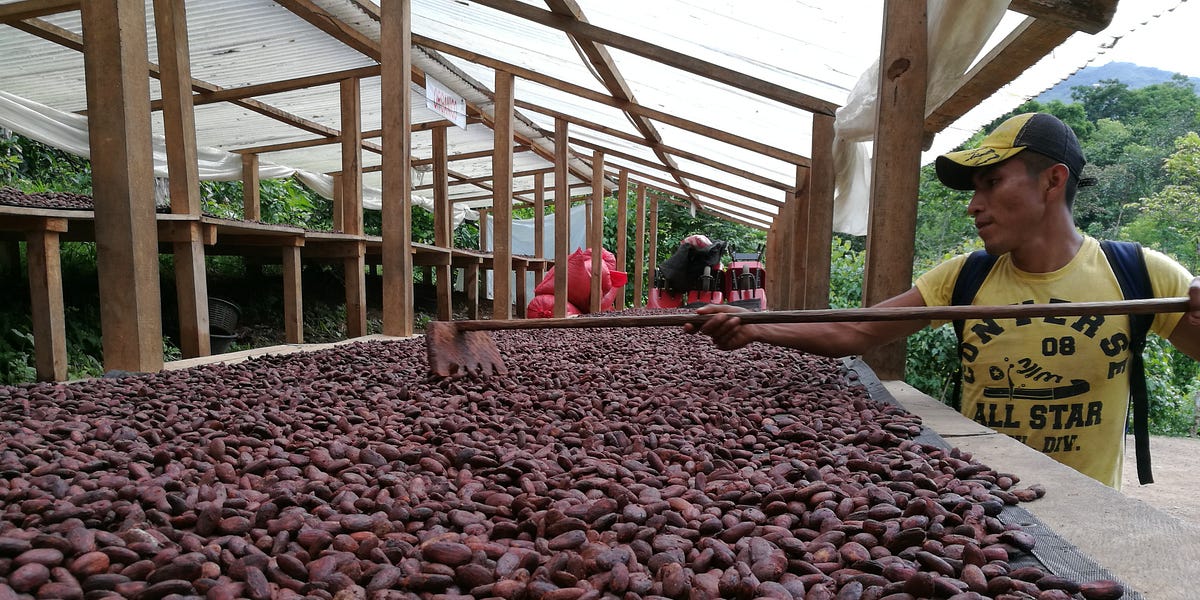
Esmeraldas cacao is known for its deep, earthy flavor profile with hints of spice and tropical fruit. Small cooperatives in the region have started producing limited batches of single-origin chocolate that showcase these natural notes. Visiting these valleys, I’ve seen farmers drying their beans under the sun, turning them by hand with wooden paddles. The work is slow and labor-intensive, but their pride is unmistakable. They know their cacao carries the essence of their home.
Los Ríos: Ecuador’s Cacao Heartland
Further south lies Los Ríos, the heartland of Ecuador’s cacao production. Vast plantations spread out across the plains, interspersed with family farms that have been passed down for generations. Here, cacao trees grow alongside bananas, papayas, and guava, creating a biodiverse environment that enhances both soil health and flavor.
Farmers in Los Ríos often cultivate heirloom varieties of Arriba Nacional, preserving genetics that have remained largely unchanged for centuries. Many of them still ferment their beans using wooden boxes covered with banana leaves, a technique that gives the chocolate its signature aromatic richness. The scent that rises from a fermenting batch is intoxicating, sweet, tangy, and alive with the promise of something extraordinary.
Manabí and Its Coastal Influence
Moving westward toward the coast, the province of Manabí offers a different expression of Ecuadorian cacao. The salty breeze from the Pacific Ocean and the region’s warm, drier climate give Manabí’s cacao a bright, fruity flavor that pairs beautifully with floral notes. The people here have mastered the balance between tradition and innovation, combining time-honored techniques with modern fermentation practices to produce chocolate with remarkable consistency.
In small coastal towns, families roast their own cacao at home, grinding the beans into a coarse paste mixed with panela (unrefined cane sugar). The result is a rustic chocolate drink that has been part of Ecuadorian life for generations. It’s a reminder that, while fine chocolate may travel the world, its heart remains local, rooted in communities that still celebrate cacao as part of daily living.
The Secret Valleys of Napo and the Amazon Basin
Deep in the Amazonian foothills, the province of Napo reveals another side of Ecuador’s chocolate story. The cacao grown here is wilder, often cultivated in forest gardens alongside native trees and medicinal plants. The air is heavy with humidity, and rivers snake through valleys shrouded in mist.
This is where some of the rarest cacao varieties are found, including remnants of the ancient Nacional strain believed to be extinct until rediscovered in the 21st century. Small-scale farmers and indigenous communities cultivate these trees organically, using sustainable methods that preserve biodiversity. The resulting chocolate has flavors that seem to echo the rainforest itself, intense, fruity, and slightly floral with an almost wine-like finish.
Visiting these valleys feels like stepping into a hidden world. The people here see cacao as a living connection to the earth. Every pod is harvested by hand, and every step, from fermentation to drying, is guided by an understanding that has been passed down through stories and experience rather than textbooks.
From Bean to Bar: The Local Chocolate Movement
For decades, Ecuador exported most of its cacao beans, allowing foreign companies to make chocolate elsewhere. That narrative has begun to change. A growing number of Ecuadorian chocolatiers are now producing bean-to-bar chocolate locally, determined to keep the full value chain within the country.
Artisans in Quito, Guayaquil, and Cuenca are working directly with farmers from these secret valleys, ensuring fair pay and emphasizing transparency in their sourcing. They roast small batches, experiment with fermentation techniques, and create limited-edition bars that highlight the distinctive flavors of each region. This movement has sparked a renaissance in Ecuador’s chocolate culture, turning the country from a raw material supplier into a respected producer of fine chocolate.
Sustainability and the Future of Cacao
Ecuador’s secret valleys are not only beautiful, they’re also fragile. Climate change, deforestation, and disease threaten cacao production, forcing farmers to adapt quickly. Fortunately, many have embraced agroforestry, a method that integrates cacao trees with other plants to mimic the natural ecosystem. This approach improves soil fertility, provides shade, and protects against erosion while ensuring long-term sustainability.
Organizations and cooperatives are also working to educate farmers about organic farming and fair trade practices. By prioritizing quality over quantity, they can command higher prices for their beans and maintain ecological balance. As a result, Ecuadorian cacao remains among the most sustainable and ethically produced in the world.
The Taste of Ecuadorian Chocolate
Tasting chocolate made from Ecuadorian cacao is an experience unlike any other. Each valley tells its own story through flavor. A bar from Esmeraldas might burst with tropical fruit and spice, while one from Manabí offers honeyed notes with a hint of salt air. Chocolate from Napo can surprise you with its intensity, a deep richness that seems to whisper of the rainforest canopy.
When I taste Ecuadorian chocolate, I think of the landscapes where it was born, the river valleys, the humid forests, the volcanic slopes. It’s as if the land itself speaks through the chocolate, carrying with it the aroma of rain, the warmth of the sun, and the care of the people who brought it to life.
The Cultural Legacy of Cacao
Cacao has shaped Ecuadorian culture as much as it has shaped the landscape. In local markets, you can find everything from traditional hot chocolate made with cinnamon and cloves to cacao nibs used in savory dishes. Festivals celebrate the harvest season, and schoolchildren learn about the plant’s history as part of their heritage.
For many Ecuadorians, cacao is more than a crop, it’s a symbol of resilience. Despite economic challenges, changing weather, and global competition, the people of Ecuador’s chocolate valleys continue to produce some of the best beans in the world. Their dedication keeps the tradition alive and ensures that chocolate remains a bridge between past and present.
A Journey Worth Taking
Exploring Ecuador’s chocolate valleys is a journey into both flavor and history. It’s a chance to witness the origins of chocolate in its purest form and to connect with the people who make it possible. The road may be winding and the paths muddy, but the reward is unforgettable, the sight of golden pods hanging from ancient trees, the sound of laughter from farmers during harvest, and the taste of freshly roasted cacao that lingers long after you’ve gone.
Each valley has its secrets, and together they form a mosaic of flavor and culture that defines Ecuador’s chocolate identity. From the coastal plains of Manabí to the dense forests of Napo, the country’s landscapes give life to chocolate that is rich, complex, and unmistakably Ecuadorian.
Conclusion
Inside Ecuador’s secret chocolate valleys, the story of cacao unfolds in all its beauty and complexity. It’s a tale of origin, craftsmanship, and connection, a reminder that chocolate is not just a product but a living expression of land and people. The farmers who nurture the trees, the artisans who refine the beans, and the communities that celebrate its legacy all contribute to something extraordinary.
Ecuador’s cacao valleys are hidden gems, but their impact reaches every corner of the world. Each bar made from their beans carries a piece of this land’s spirit, a harmony of earth, culture, and care. Every bite tells a story, and that story begins in the valleys where cacao has always belonged.