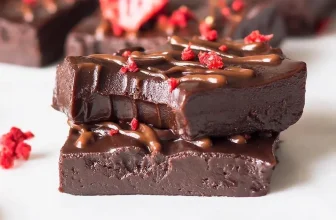
How to Make Chocolate Tartlets with Crunchy Crusts

Chocolate tartlets have a way of stealing the spotlight at any gathering. Their combination of crisp, buttery crusts and velvety chocolate filling feels indulgent yet approachable. I’ve always believed that the secret to a perfect tartlet lies in the balance of texture , that satisfying crunch that gives way to a smooth, rich chocolate center. Crafting these miniature desserts is both an art and a joy, and once you master the process, you’ll find yourself making them for everything from dinner parties to lazy Sunday afternoons.
The Appeal of Chocolate Tartlets
Chocolate tartlets have a charm that’s impossible to ignore. They’re elegant without being fussy, and their size makes them perfect for portion control. There’s also something deeply comforting about their contrast , the cold snap of the crust against the luscious melt of the filling. What makes them even more appealing is their versatility. You can dress them up with whipped cream, berries, nuts, or even gold flakes for special occasions, or keep them simple for a cozy dessert at home.
The idea of combining crunch and creaminess speaks directly to the senses. The first bite delivers that satisfying crack from the crust, followed by the silky flood of chocolate that follows. It’s an experience that’s both grounding and luxurious. These tartlets are also a fantastic way to explore the flavor profiles of different chocolates, from deep, earthy dark chocolate to sweet milk or even white chocolate infused with citrus or spices.
Crafting the Perfect Crunch
The crust is the foundation of any good tartlet, and getting it right takes attention to detail. The goal is to achieve a texture that’s crisp but not dry, flaky but sturdy enough to hold the filling without crumbling. I start with a classic pâte sucrée, a French-style sweet pastry dough that has just enough sugar to complement the bitterness of the chocolate.
Cold butter is key here. It ensures the dough stays firm and develops layers as it bakes. I like to pulse the butter with flour, sugar, and a pinch of salt in a food processor until the mixture resembles fine breadcrumbs. Then, I add egg yolks and a splash of cold water to bring it together. The dough should never be overworked; it needs a gentle hand. Once formed, it rests in the fridge to relax the gluten and make rolling easier.
After chilling, I roll out the dough evenly and press it into tartlet molds. Blind baking , baking the crusts with pie weights or beans , helps them hold their shape and ensures they turn out crisp. The smell that fills the kitchen as the pastry bakes is always inviting, a hint of what’s to come. Once golden, the crusts are left to cool completely before adding the filling.
Choosing the Right Chocolate
Not all chocolates are created equal, especially when the filling is the star. For tartlets, I prefer a high-quality couverture chocolate because it melts beautifully and delivers a glossy, smooth texture. The cocoa content you choose will shape the flavor: around 60% to 70% gives a perfect balance of richness without overpowering sweetness.
I melt the chocolate gently over a double boiler to prevent scorching. Once melted, I whisk in warm cream and a touch of butter to create a ganache that’s silky and stable. A pinch of sea salt can enhance the flavor depth, while a splash of liqueur such as Grand Marnier or Kahlúa adds sophistication. For something more playful, a hint of espresso or chili can create a surprising twist.
The goal is to make a filling that feels luxurious on the tongue, one that firms slightly as it cools but still melts effortlessly with each bite. Once poured into the cooled crusts, the tartlets should be left to set at room temperature before being refrigerated. This step allows the texture to settle into perfect harmony , firm, but never stiff.
Creative Flavor Twists
One of my favorite parts about making chocolate tartlets is experimenting with flavor. You can layer complexity into the dessert without straying far from the classic formula. For example, folding in crushed hazelnuts or almonds into the crust creates a nutty depth that complements dark chocolate. A layer of caramel or raspberry jam beneath the ganache adds contrast both in taste and texture.
Infused creams are another trick I love. By steeping the cream with ingredients like lavender, coffee beans, or orange zest before mixing it with the chocolate, you introduce subtle aromas that linger beautifully. A milk chocolate tartlet with a hint of Earl Grey tea can feel refined, while white chocolate with passion fruit becomes tropical and bright.
Experimentation makes each batch feel new. I once added toasted coconut to the crust and topped the finished tartlets with thin chocolate curls and sea salt , a simple yet irresistible combination. What matters most is balance. The flavors should support the chocolate, not compete with it.
Achieving Perfect Presentation
Presentation plays a big part in the charm of these tartlets. Their compact size allows for creativity in how they’re served. I often plate them on dark slate boards to make the glossy chocolate stand out or use small porcelain plates with gold accents for an elegant finish. A light dusting of cocoa powder, a swirl of whipped cream, or even a single raspberry can transform them into something visually striking.
Temperature also affects presentation. Serving the tartlets slightly chilled makes them hold their shape better, while room-temperature tartlets have a softer, more decadent texture. For special occasions, I like to brush the crust edges with a little edible gold dust , it gives them a festive shimmer that never fails to impress.
Texture and Taste Harmony
The interplay between textures is what makes chocolate tartlets irresistible. The crust provides that necessary crunch, anchoring the creamy filling in contrast. The first bite is a textural revelation , crisp edges followed by melt-in-your-mouth richness. Getting this right requires attention to baking times, the thickness of the crust, and the temperature at which the tartlets are served.
I’ve found that a thinner crust tends to highlight the filling more, while a slightly thicker one gives more structural satisfaction. Similarly, using a blend of chocolates , say, dark and milk , creates a deeper, rounder flavor. The addition of a crunchy topping like crushed nuts, caramel shards, or cookie crumbs can enhance that contrast further.
Pairing Chocolate Tartlets with Drinks
A great dessert becomes extraordinary when paired with the right drink. Coffee is a natural choice; its bitterness enhances the sweetness of chocolate without overwhelming it. I also enjoy pairing these tartlets with dessert wines like port or sherry, which bring out the chocolate’s fruity notes.
For a lighter touch, a cold glass of milk or even a cappuccino works perfectly. If you’re entertaining, offering guests a flight of different beverages , espresso, red wine, or even spiced chai , alongside the tartlets adds an interactive element to dessert time. Each sip changes the way the chocolate feels on the palate, revealing new layers of flavor.
Storing and Serving
Chocolate tartlets store surprisingly well. Once set, I keep them in an airtight container in the refrigerator, where they can last up to three days without losing quality. Before serving, I like to bring them to room temperature for about twenty minutes to allow the chocolate filling to regain its luscious texture.
They can also be frozen, though I recommend doing so without toppings to prevent condensation from ruining their finish. When you’re ready to enjoy them, a quick thaw in the fridge does the trick. This makes them perfect for preparing ahead of an event or simply having a sweet treat ready whenever the craving strikes.
Sharing the Joy of Homemade Tartlets
Few things compare to the satisfaction of making chocolate tartlets from scratch. Each batch feels like a small celebration , a mix of patience, creativity, and love for good food. I’ve shared them with family during holidays and brought them to dinner parties where they vanish almost immediately. Guests always seem impressed by their professional appearance, not realizing how approachable the process actually is once you know the steps.
Making these tartlets has also deepened my appreciation for the craft of baking. It teaches balance, precision, and how to trust your senses , the smell of butter browning just right, the glossy sheen of melted chocolate, the satisfying sound of crust cracking under a fork.
The Modern Twist
To give chocolate tartlets a modern touch, I sometimes play with unexpected ingredients and presentation styles. A drizzle of salted caramel sauce, a sprinkle of smoked sea salt, or even a topping of crushed pretzels can give a contemporary edge. Mini tartlets served in glass jars or layered with mousse and crumble add variety and visual appeal.
You can even introduce global influences , matcha-infused ganache for a Japanese-inspired version, or spiced chili chocolate for something bold and dramatic. The key is to keep the essence of the tartlet intact: a crunchy shell paired with a rich, creamy filling. Innovation works best when it enhances, not overshadows, the original charm.
Conclusion
Chocolate tartlets with crunchy crusts are more than just a dessert; they’re an experience. The combination of texture, flavor, and presentation creates something that feels timeless yet endlessly adaptable. Each element, from the buttery pastry to the glossy ganache, comes together in perfect balance.
For me, making them has become both a ritual and a creative outlet , a way to slow down, indulge in craft, and share something beautiful with others. Whether you’re baking for a special event or simply treating yourself, these tartlets deliver that unmistakable satisfaction that only chocolate can bring. They remind us that dessert doesn’t have to be complicated to feel extraordinary , sometimes, it just needs the right balance of crunch and cream.