How to Make the Perfect Hot Chocolate (Even Without a Machine)
Few things bring comfort like a warm cup of hot chocolate. The rich aroma of melting cocoa, the gentle steam rising from the cup, and that first creamy sip have a way of wrapping you in instant coziness. Making the perfect hot chocolate isn’t about fancy machines or complicated techniques. It’s about knowing how to combine quality ingredients and simple methods to get a smooth, velvety drink that tastes like pure indulgence. Over time, I’ve tried dozens of variations, from thick European-style hot chocolate to frothy café-inspired blends, and I’ve learned that the best versions can be made right on your stovetop, or even over a campfire, with just a few thoughtful steps.
The Secret to Great Hot Chocolate
The foundation of any perfect cup of hot chocolate begins with the ingredients. Good cocoa or chocolate is the heart of the recipe, and using real chocolate instead of just cocoa powder can elevate the flavor from average to exceptional. Dark chocolate gives a deep, bittersweet taste, milk chocolate adds sweetness and creaminess, while white chocolate creates a dessert-like richness. The key is to choose a chocolate bar with at least 60% cocoa for that ideal balance of flavor.
Milk also plays a crucial role. Whole milk makes the richest and creamiest hot chocolate, but you can mix it with a bit of heavy cream for an even silkier texture. If you prefer dairy-free options, almond milk and oat milk work beautifully, they heat well and provide a smooth consistency. I’ve also found that a pinch of salt, though it might seem odd, enhances the chocolate flavor and keeps it from tasting overly sweet.
Preparing the Base
Making hot chocolate without a machine is all about patience and control. Start by chopping your chocolate into fine pieces so it melts quickly and evenly. In a saucepan, heat your milk over medium-low heat until it’s steaming but not boiling. Once it begins to release tiny bubbles around the edges, remove it from the heat. Add the chopped chocolate and whisk continuously until it melts completely and blends into the milk.
The whisking process is what creates that lovely froth without any equipment. Using a hand whisk, move briskly back and forth instead of just stirring in circles. This helps incorporate air, giving your drink that café-style texture. If you have a handheld frother or blender, you can use it for a few seconds, but it’s not essential. Even a simple whisk can achieve amazing results if you give it enough energy.
Finding the Right Consistency
One of the most satisfying parts of making hot chocolate is adjusting its consistency to your liking. Some people prefer it light and milky, while others crave that thick, almost pudding-like richness. To thicken your hot chocolate naturally, you can reduce it by simmering for a few extra minutes or add a small splash of heavy cream. Another trick I often use is mixing a teaspoon of cornstarch with a bit of cold milk, then whisking it into the hot mixture and letting it simmer briefly. This creates a velvety smooth texture that clings beautifully to your spoon.
If you want a thinner, lighter drink, simply add a little more warm milk until it reaches your preferred consistency. The beauty of homemade hot chocolate is that you’re in complete control of the outcome. No machine can match the satisfaction of adjusting it perfectly by hand.
Adding Depth with Flavor
The best hot chocolates have layers of flavor that go beyond plain sweetness. Adding subtle notes of spice or aroma transforms a simple drink into an experience. I often add a splash of pure vanilla extract after the chocolate melts, it brings warmth and complexity to the flavor. A pinch of cinnamon or nutmeg creates a cozy, almost festive taste, while a few drops of peppermint extract can turn it into a refreshing winter treat.
If you’re feeling adventurous, a pinch of cayenne or chili powder introduces a mild heat that pairs beautifully with dark chocolate. For a more luxurious version, whisk in a spoonful of peanut butter, caramel sauce, or even a bit of hazelnut spread. These small additions give the drink personality and richness that make it taste like something from a high-end café.
Making Hot Chocolate Without a Stove
Even without access to a stovetop, you can still make an incredible cup of hot chocolate. In fact, I’ve prepared delicious versions using just a microwave and a mug. Start by heating your milk in 30-second intervals until it’s hot but not boiling. Add the chopped chocolate or cocoa mixture and stir thoroughly between each heating cycle until it’s completely smooth. The key is not to rush, it’s better to heat gradually and stir often to avoid scorching the milk or separating the fat from the chocolate.
If you’re outdoors, you can even prepare it over a campfire or portable burner. Just use a small pot, warm your milk gently, and whisk in your chocolate as it melts. There’s something incredibly satisfying about sipping homemade hot chocolate surrounded by cool evening air and crackling flames.
The Difference Between Cocoa Powder and Real Chocolate
Using cocoa powder versus solid chocolate changes the character of your drink entirely. Cocoa powder creates a lighter, more traditional cup similar to what many of us grew up with. To make it taste rich, you’ll want to use unsweetened cocoa powder and add your own sugar to balance the bitterness. Mixing a teaspoon of cornstarch into the milk can give it a slightly thicker consistency if you prefer.
Real chocolate, on the other hand, delivers a deep, velvety richness that feels indulgent and satisfying. When I use chocolate bars, I often blend different types, half dark chocolate for depth and half milk chocolate for sweetness. This combination melts beautifully into the milk and creates a luxurious texture that feels like liquid silk.
Making It Frothy and Smooth
Without a machine, getting that café-style froth may seem tricky, but it’s easier than most people think. The secret lies in vigorous whisking. After your chocolate is fully melted, whisk rapidly while the milk is still warm. The movement introduces tiny bubbles that lighten the drink without thinning it. Another method is to pour the hot chocolate back and forth between two mugs from a slight height, which naturally aerates it.
If you prefer an ultra-frothy finish, use a small hand blender for just five seconds, it will transform your drink into a cloud of creamy goodness. The key is not to overdo it, as too much air can make it foamy rather than smooth. The goal is a silky texture with just enough froth on top to make each sip feel luxurious.
Sweetening the Right Way
Choosing the right sweetener can completely change how your hot chocolate tastes. I like to use a blend of sugar and honey for balance. Honey adds a gentle floral sweetness that complements both dark and milk chocolate. You can also use maple syrup for a more earthy flavor or coconut sugar for a caramel-like undertone.
If you’re making white hot chocolate, reduce the sugar since white chocolate is already quite sweet. The goal is harmony, the sweetness should enhance the chocolate, not overpower it. Always taste as you go, since chocolate brands differ in how bitter or sweet they are. Small adjustments make all the difference.
Enhancing with Toppings
Half the fun of hot chocolate lies in the toppings. A generous swirl of whipped cream adds instant luxury, melting slowly into the drink and blending with the chocolate. Marshmallows, whether mini or homemade, offer a nostalgic sweetness that makes each sip delightful. I sometimes sprinkle cocoa powder or chocolate shavings over the top for a simple, elegant finish.
For special occasions, you can go even further. Crushed peppermint candies, a drizzle of caramel, or a dusting of cinnamon can transform your drink into something truly festive. If you’re entertaining, setting up a small “hot chocolate bar” with various toppings and flavorings lets everyone customize their own mug. It’s a simple yet memorable way to make guests feel pampered.
Dairy-Free and Vegan Options
Making hot chocolate without dairy doesn’t mean giving up creaminess. Some of the best versions I’ve made use plant-based milks that blend perfectly with chocolate. Oat milk is my top choice because it has a natural sweetness and thickness that mimics dairy milk. Almond milk and coconut milk are also great options, each adding their own subtle flavor.
To make a fully vegan hot chocolate, use dairy-free dark chocolate and a touch of coconut cream for extra richness. Maple syrup or agave nectar can replace sugar for a smooth sweetness. The result is just as indulgent, proving that great hot chocolate doesn’t depend on traditional ingredients, it depends on care and balance.
The Art of Serving
Presentation adds a final touch of magic. Pour your hot chocolate into a pre-warmed mug to help it stay hot longer. I love using wide mugs that let the aroma rise while sipping. If you’re serving multiple cups, you can keep the hot chocolate warm by placing the pot over low heat or transferring it to a thermos.
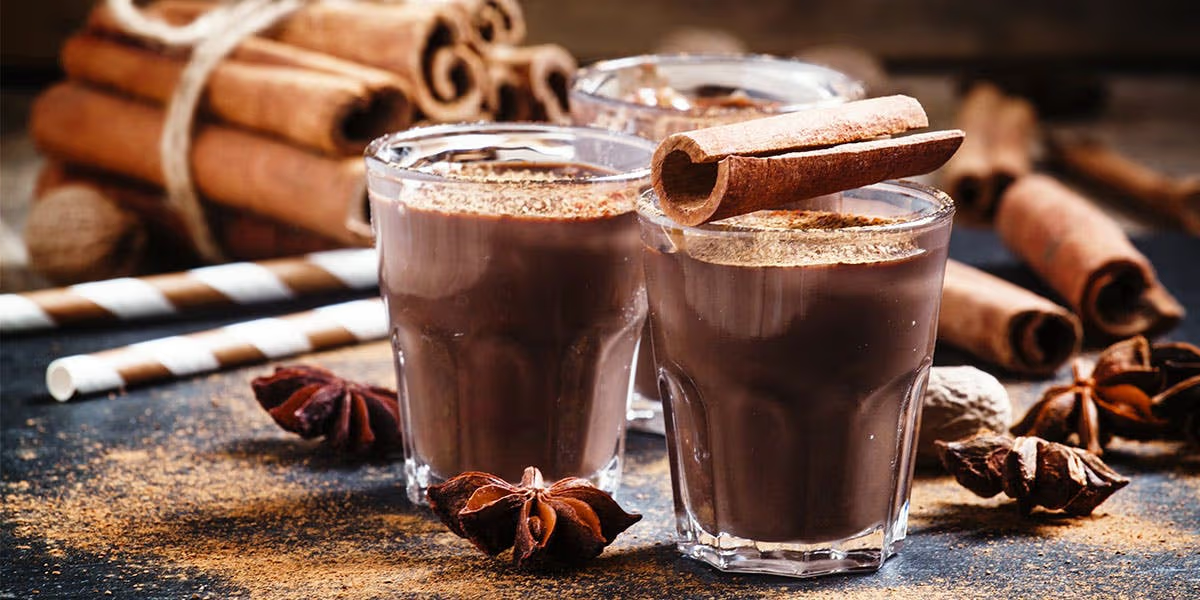
Garnishes matter more than most people think. A small piece of chocolate resting on the rim, a sprinkle of cocoa powder, or even a cinnamon stick adds charm. I often serve mine with a small biscuit or chocolate truffle on the side, it makes the experience feel special, like something from a cozy café.
Flavor Variations Worth Trying
Hot chocolate is one of those drinks that invites creativity. If you’re in the mood for something different, try a mocha version by whisking in a shot of espresso or a teaspoon of instant coffee. For a festive touch, stir in crushed peppermint or a splash of peppermint liqueur. Orange zest and a bit of orange extract create a bright, aromatic twist that pairs beautifully with dark chocolate.
For an exotic flavor, add a pinch of cardamom or star anise for warmth and depth. You can even make a Mexican-style hot chocolate by combining cinnamon, vanilla, and a hint of chili powder. These subtle additions turn a familiar drink into a completely new experience.
Making Hot Chocolate for a Crowd
If you’re preparing hot chocolate for guests, you can easily scale up the recipe without losing quality. The key is to melt the chocolate first with a small portion of the milk before adding the rest. This ensures a smooth texture even in larger batches. I like to make a base mixture ahead of time and reheat it gently just before serving.
For gatherings, serve it from a slow cooker on the warm setting so everyone can refill their mugs throughout the evening. Keep a small bowl of toppings nearby, whipped cream, marshmallows, chocolate curls, and flavored syrups make the experience interactive and fun.
The Perfect Balance
The best hot chocolate doesn’t just taste good, it feels comforting. It’s about the warmth that spreads through you, the smoothness that coats your mouth, and the joy that lingers with each sip. Machines can make the process faster, but they can’t replace the satisfaction of whisking the chocolate yourself, watching it melt, and smelling that intoxicating aroma fill your kitchen.
The process teaches patience, and in return, it rewards you with something deeply satisfying. From adjusting sweetness to experimenting with spices, making hot chocolate by hand lets you express creativity while indulging in pure comfort.
Conclusion
Perfecting hot chocolate is less about precision and more about passion. With the right chocolate, thoughtful technique, and a bit of care, you can create a cup that rivals any café version, no machine required. It’s the kind of treat that reminds you how simple pleasures can feel extraordinary. Whether you enjoy it on a chilly evening, share it with loved ones, or savor it alone with a book, a perfectly made hot chocolate has the power to turn an ordinary moment into something beautifully indulgent.