How to Pair Chocolate with Fruit for Stunning Desserts
Chocolate and fruit have always shared a natural chemistry that few other combinations can match. The richness of chocolate meets the freshness of fruit, creating a dance of flavors that can transform even the simplest dessert into something unforgettable. I’ve always been fascinated by how the sweetness, bitterness, and acidity of fruit interact with different types of chocolate. The key lies in balance, understanding how one complements the other to produce a dessert that feels alive and layered with flavor.
The Magic Of Chocolate And Fruit
Chocolate alone is indulgent, deep, and satisfying, but fruit adds vibrancy and contrast. That contrast is what makes the pairing so special. The right fruit can cut through chocolate’s richness, while chocolate gives fruit a sense of decadence. Together, they create harmony, a blend of textures, colors, and aromas that awaken the senses.
Think of a slice of dark chocolate cake crowned with raspberries or strawberries dipped in melted chocolate. These are not just desserts; they’re expressions of how balance and texture can elevate flavor. Fruit brings brightness, and chocolate provides comfort, resulting in a combination that feels both familiar and refined.
The Role Of Chocolate Type In Pairing
Not all chocolate behaves the same way with fruit. Each variety, dark, milk, or white, brings its own characteristics that can either complement or overpower the fruit’s natural qualities. I like to think of pairing chocolate and fruit as building a dialogue between sweetness and acidity.
Dark chocolate, with its intensity and slight bitterness, works beautifully with fruits that carry natural tartness. Raspberries, cherries, blackcurrants, and oranges all shine when paired with dark chocolate. The acidity of the fruit enhances the chocolate’s complexity, creating a deep and balanced taste.
Milk chocolate, on the other hand, is creamier and milder. It pairs well with softer fruits such as bananas, peaches, and strawberries. Its caramel-like sweetness draws out the fruit’s flavor without overwhelming it.
White chocolate is delicate and buttery, making it ideal for tangy fruits like passionfruit, kiwi, and berries. The sweetness of white chocolate softens the fruit’s sharpness, creating a smooth, luxurious finish.
Pairing By Season
The beauty of chocolate and fruit desserts lies in their adaptability across the seasons. I find that using seasonal fruit not only enhances flavor but also makes desserts feel more authentic and vibrant.
In spring, berries and citrus fruits come alive. Pairing dark chocolate with strawberries or white chocolate with lemon zest creates desserts that taste light and refreshing.
Summer is perfect for juicy fruits like cherries, peaches, and mangoes. Milk chocolate mousse topped with grilled peaches or dark chocolate paired with fresh cherries captures the warmth of the season.
Autumn calls for richer combinations. Dark chocolate with figs, pears, or plums adds a deep, comforting tone to desserts. Caramelized fruit works particularly well in this season, as the sweetness enhances the chocolate’s depth.
Winter brings citrus and tropical fruits into focus. Blood oranges dipped in dark chocolate or pineapple paired with white chocolate bring brightness to colder months. These combinations offer a welcome burst of freshness when the world outside feels muted.
Balancing Flavor Intensity
Pairing chocolate with fruit is as much about contrast as it is about balance. Too much sweetness from both elements can feel heavy, while too much acidity can clash with chocolate’s smoothness. Finding the right balance means matching intensity.
Strong, bitter chocolate pairs best with fruits that can hold their own, think cherries, raspberries, and pomegranate. Their acidity stands up to the boldness of dark chocolate, creating a sophisticated pairing.
Milder fruits, such as apples, pears, or bananas, suit milk chocolate’s gentle nature. The balance feels warm and comforting rather than sharp.
White chocolate, being the sweetest of all, benefits from fruit that adds brightness. Passionfruit, kiwi, and blueberries balance the sweetness with their tart profiles.
The most stunning desserts often come from contrasting these intensities while keeping harmony in texture and presentation.
Playing With Texture
Texture is what transforms a simple chocolate and fruit pairing into a dessert worth remembering. A contrast between smooth, creamy chocolate and crisp or juicy fruit creates excitement with each bite.
I often start with a base of chocolate mousse or ganache for its rich, velvety consistency. Adding fruit slices, compotes, or coulis introduces freshness and breaks through the heaviness. For something more dramatic, caramelized fruit can be layered between sponges or folded into cream for both crunch and sweetness.
Even within fruit itself, texture can vary. Soft fruits like strawberries and peaches pair differently than crisp fruits like apples or firm ones like figs. Choosing the right form, fresh, roasted, poached, or candied, makes all the difference.
For example, roasted plums with dark chocolate ganache create a deep, almost smoky dessert, while fresh raspberries with chocolate cream offer brightness and lightness.
Exploring Classic Pairings
Some combinations have stood the test of time for good reason. They capture perfect harmony between sweetness, acidity, and depth.
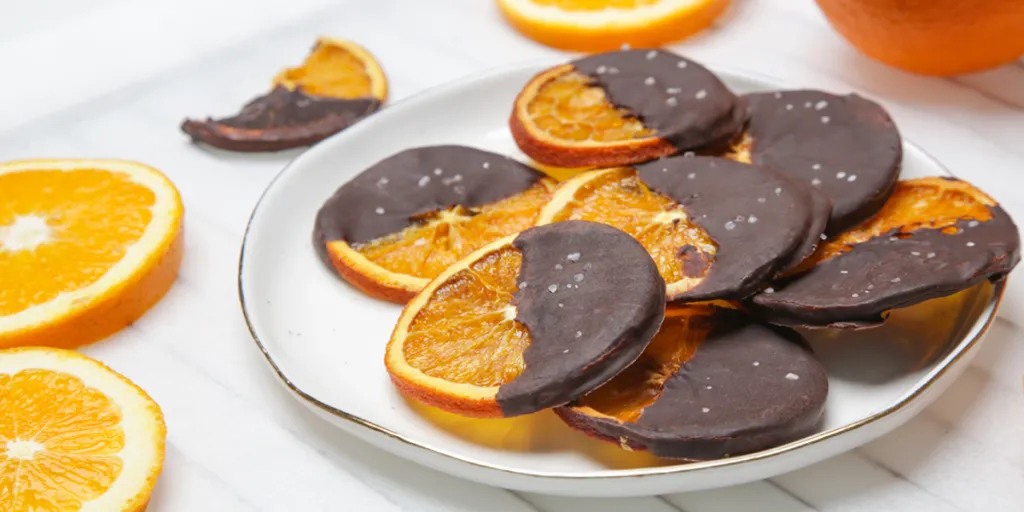
Dark chocolate and orange are among the most iconic. The citrus oils from orange zest enhance the cocoa flavor, while the fruit’s brightness keeps the richness in check. Chocolate-dipped orange slices or a flourless chocolate cake with candied orange peel are timeless examples.
Milk chocolate and strawberries embody pure comfort. The creaminess of the chocolate complements the fruit’s juicy sweetness, making it universally loved. Whether it’s in tarts, mousse, or fondue, this pairing never disappoints.
White chocolate and passionfruit feel exotic and luxurious. The fruit’s tang cuts through the chocolate’s buttery sweetness, creating balance and intrigue.
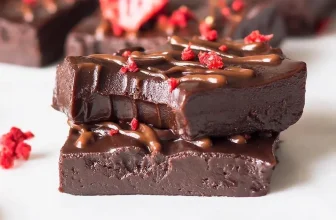
Dark chocolate and raspberry bring intensity and freshness together in perfect measure. The tart fruit amplifies the chocolate’s richness while adding visual elegance to any dessert.
Innovative Pairings Worth Exploring
While classics remain beloved, experimenting with unexpected pairings often leads to the most delightful discoveries. I’ve enjoyed exploring unconventional combinations that challenge tradition yet deliver harmony.
Dark chocolate with mango creates a bold tropical flavor that feels both sweet and earthy. The fruit’s juiciness softens the bitterness of the chocolate beautifully.
Milk chocolate and pear make a subtle but deeply satisfying pairing. The fruit’s gentle sweetness complements the chocolate’s caramel tones, especially when the pears are poached in spices like cinnamon or vanilla.
White chocolate with blueberries offers both visual appeal and balance. The fruit’s tartness offsets the chocolate’s richness, and the color contrast looks stunning in layered desserts.
Even more adventurous pairings, like dark chocolate with pineapple or milk chocolate with figs, open new possibilities for flavor and texture.
The Role Of Presentation
How chocolate and fruit are presented can elevate the dessert from simple to spectacular. Visual appeal enhances the experience long before the first bite. I’ve found that layering and contrast play major roles here too.
For instance, alternating layers of chocolate mousse and fruit puree in a glass creates a striking visual gradient. Slices of fresh fruit arranged over glossy ganache add natural elegance. Dipping fruit halfway into chocolate and letting it set creates a minimalist yet stunning effect.
Color contrast is key, dark chocolate with vibrant berries or white chocolate with tropical fruit creates immediate allure. Even the choice of plating matters. A clean white plate highlights the natural beauty of the ingredients, while a rustic wooden board evokes warmth and comfort.
Techniques That Enhance Pairings
Several culinary techniques can bring out the best in chocolate and fruit pairings. Tempering chocolate ensures it has a glossy finish and satisfying snap, ideal for dipping or drizzling. Gently melting chocolate over a bain-marie preserves its texture and prevents bitterness.
For fruit, maceration, soaking in sugar, citrus, or liqueur, draws out juices and intensifies flavor. Roasting fruit concentrates sweetness and adds caramel notes that pair beautifully with dark chocolate. Poaching creates a softer, more elegant effect, perfect for milk or white chocolate desserts.
Balancing temperatures can also heighten the experience. Warm chocolate sauce over chilled fruit creates contrast and indulgence. Frozen fruit dipped in warm ganache adds playfulness and surprise.
Creating Multi-Layered Desserts
Layering chocolate and fruit in more complex desserts allows both elements to shine in different ways. A rich chocolate sponge layered with raspberry compote and chocolate mousse feels indulgent yet balanced. Tart tarts filled with passionfruit curd and topped with white chocolate shards combine freshness and luxury.
Chocolate pavlovas topped with whipped cream and mixed berries make a showstopping centerpiece. Even simple pairings like fruit skewers dipped in assorted chocolates can feel sophisticated when arranged thoughtfully.
Each layer and texture should build upon the last, leading to a dessert that tells a story from first bite to last.
The Emotional Element
Beyond flavor, pairing chocolate and fruit touches on emotion. Chocolate speaks to comfort and indulgence, while fruit evokes nature and vitality. Together, they form a connection between richness and freshness that feels both grounding and uplifting.
I’ve noticed that desserts combining the two often leave a lasting impression because they engage multiple senses at once, sight, taste, and smell. The aroma of melted chocolate, the burst of fruit juice, and the visual contrast of dark and bright hues create a complete sensory experience.
Conclusion
Pairing chocolate with fruit for stunning desserts is about more than just combining ingredients, it’s about balance, contrast, and creativity. The right pairing allows both elements to complement and elevate each other. From classic combinations like dark chocolate and orange to modern twists like white chocolate with passionfruit, every match tells a different story.
By paying attention to texture, intensity, and presentation, chocolate and fruit can be transformed into desserts that feel both elegant and satisfying. Whether it’s a layered creation for a celebration or a simple chocolate-dipped fruit shared with someone special, the harmony between the two proves why this pairing continues to captivate dessert lovers everywhere.