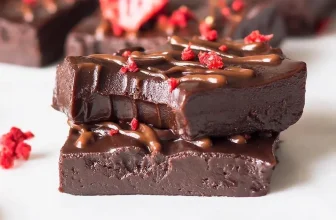
How to Turn Leftover Chocolate into Dessert Art

Wasting good chocolate feels almost criminal, especially when even the smallest bits can be transformed into something extraordinary. I’ve often found myself with half-melted bars, crumbs from broken truffles, or chocolate remnants from a baking project. Instead of tossing them out, I’ve learned how to turn those leftovers into edible art. Chocolate, after all, is one of the most versatile ingredients in the kitchen, it just takes a touch of creativity and a willingness to experiment to bring it back to life in a stunning way.
Melting and Reworking Chocolate
The first step in transforming leftover chocolate into dessert art is melting it properly. Any type, milk, dark, or white, can be repurposed, but temperature control is key. I always use the double boiler method to avoid scorching. Placing a heatproof bowl over a pot of simmering water allows gentle heat to bring the chocolate back to a smooth, glossy texture. If I’m working with small chocolate shavings, I sometimes microwave them in short bursts, stirring in between until the texture is silky.
Once melted, the chocolate becomes a blank canvas. I like to pour it onto a parchment-lined baking sheet and swirl it into shapes with the back of a spoon. A sprinkle of sea salt, crushed nuts, or dried fruit instantly transforms it into elegant chocolate bark. What started as scraps becomes a treat that looks like it came from a high-end confectioner.
Painting with Chocolate
One of the most enjoyable ways to turn chocolate leftovers into art is to literally paint with them. By melting small amounts of different chocolates, dark, milk, and white, I can create a palette of edible colors. Using a clean pastry brush or even a small spoon, I paint abstract strokes onto plates, platters, or parchment paper. Once the designs cool and harden, I use them as decoration for cakes, tarts, and mousses.
Sometimes I drizzle thin lines across a dessert plate before setting down a slice of cake. It gives a dramatic, restaurant-style presentation without needing advanced pastry skills. For a marbled effect, I swirl two types of melted chocolate together before spreading them out to dry. The results often surprise me, each piece looks unique and handcrafted.
Making Chocolate Garnishes
Decorative garnishes can elevate even the simplest dessert, and leftover chocolate is perfect for this purpose. I often pour melted chocolate into molds or pipe it into delicate shapes on wax paper. Hearts, spirals, and geometric lines all add a professional touch to desserts. Once hardened, they can be lifted carefully with a spatula and placed atop cakes or alongside scoops of ice cream.
Another favorite trick is creating chocolate shards. I spread melted chocolate thinly across parchment, then let it set in the refrigerator. Once firm, I snap it into jagged pieces and use them to crown cupcakes or pudding cups. The texture and irregularity make desserts look more dramatic, and the contrast between smooth cream and crisp chocolate is irresistible.
Crafting Truffles from Scraps
Few things are as satisfying as turning leftover chocolate into truffles. I heat a bit of cream, pour it over chopped chocolate, and stir until it becomes ganache. Once cooled, I roll it into small balls and coat them with cocoa powder, crushed cookies, or nuts. Even bits of leftover fillings, like caramel or peanut butter, can be tucked into the center for extra flair.
Making truffles feels almost meditative. The repetitive motion of rolling and dusting each piece turns scraps into small luxuries. They also make wonderful gifts; packaging them in small boxes or jars adds a personal touch that people always appreciate.
Sculpting Chocolate Decorations
Chocolate can be shaped, curled, and molded into nearly anything with a bit of technique. I’ve made curls by running a vegetable peeler along the edge of a chocolate bar slightly softened at room temperature. These delicate ribbons look beautiful scattered over whipped cream or layered between dessert tiers.
For a more advanced touch, I sometimes temper the chocolate, heating and cooling it in precise stages to stabilize the crystals. This gives it a shiny, crisp finish and makes it easier to handle when creating sculptures or latticework. Using acetate sheets or silicone mats, I draw loops, waves, or net-like designs and let them harden. Once released, they stand tall and elegant atop cakes, turning a simple dessert into a showpiece.
Infusing Flavor and Texture
Leftover chocolate offers endless opportunities to experiment with flavors. I often add spices, extracts, or even liqueurs before reworking it. A pinch of chili, cinnamon, or espresso powder can completely change its profile. I once melted leftover dark chocolate with a splash of orange liqueur and poured it over fresh strawberries, it became an effortless dessert that tasted refined and balanced.
Mix-ins also create texture and contrast. Crushed pretzels, coconut flakes, or puffed rice can be stirred into melted chocolate for a crunchy twist. Sometimes I pour this mixture into mini molds or cupcake liners to form bite-sized clusters. It’s a playful way to make treats that blend art with indulgence.
Reimagining Cakes and Pastries
Chocolate leftovers can breathe new life into other desserts. I’ve used remnants to coat the edges of layer cakes or to drizzle over brownies for a glossy finish. Even broken chocolate bars can be chopped and folded into cookie dough or melted into batters for extra richness.
One of my favorite tricks is to make chocolate ganache glaze. By combining melted leftovers with warm cream, it forms a luscious coating that can be poured over éclairs, bundt cakes, or cream puffs. The glossy surface not only enhances flavor but also adds visual appeal, each pour feels like painting with liquid silk.
Transforming Drinks into Dessert Art
Chocolate doesn’t have to stay on the plate. Leftover bits can be whisked into warm milk for rich cocoa or blended into milkshakes for instant decadence. For a more artistic touch, I like to rim glasses with melted chocolate and dip them in crushed nuts or cocoa nibs. Once chilled, they form elegant, edible borders.
I’ve also used melted chocolate to decorate cappuccinos or hot chocolate by drizzling fine lines over the foam and swirling them into patterns with a toothpick. These small gestures make even a casual drink feel like a crafted dessert experience.
Building Edible Centerpieces
A stunning way to turn leftover chocolate into art is by creating edible centerpieces. I’ve built chocolate bowls by drizzling melted chocolate over the back of inflated balloons, letting it set, and then popping the balloons. The result is a delicate, lace-like vessel that can hold fruit, mousse, or ice cream.
Sometimes I assemble chocolate shards into small towers or sculptures using a bit of tempered chocolate as edible glue. These artistic constructions make a bold impression at dinner parties. The best part is watching guests realize the decoration is completely edible, they always hesitate before taking the first bite.
Reviving White and Ruby Chocolate
White and ruby chocolates often get overlooked in favor of dark varieties, but they can also become stunning decorative elements. I use leftover white chocolate to make colored drizzles by mixing in a few drops of natural food tint. Ruby chocolate, with its pink hue and berry-like tang, pairs beautifully with tropical fruits or pistachios. Layering these colors side by side on a dessert creates visual depth and sophistication without extra effort.
Sometimes I shave or grate these chocolates over dark desserts for contrast. A snow-like dusting of white chocolate over a dark tart, for instance, can completely change its presentation.
Turning Leftovers into Chocolate Art Displays
If I have a surplus of chocolate decorations, I display them on a platter as edible art. Arranging shards, curls, and truffles in symmetrical patterns transforms simple ingredients into something almost sculptural. I like to mix textures, smooth glossy pieces beside rough, cocoa-dusted ones, to create contrast. These displays look beautiful at dessert tables or holiday gatherings, and they let guests sample different chocolate types in one place.
Over time, this habit of repurposing chocolate has changed how I view leftovers. Instead of scraps, I see potential. Each piece becomes a brushstroke in an edible masterpiece, proof that creativity in the kitchen can turn waste into wonder.
Conclusion
Turning leftover chocolate into dessert art isn’t just a way to save ingredients, it’s an exercise in imagination. Every swirl, curl, or drizzle tells a small story about transformation. From glossy barks and intricate garnishes to edible sculptures and elegant drinks, even the tiniest pieces of chocolate can become the centerpiece of something memorable. Working with what’s left behind teaches a valuable lesson about the beauty of reinvention, and every finished creation reminds me that true artistry in dessert making begins not with perfection, but with curiosity and care.