How Madagascar Became a Hidden Gem for Chocolate Lovers

Madagascar has a mysterious charm that extends beyond its exotic wildlife and stunning landscapes. For chocolate enthusiasts like me, this island is far more than a tropical paradise, it’s one of the most intriguing and rewarding origins of cacao in the world. Few people realize that some of the most extraordinary chocolate doesn’t come from South America or West Africa, but from this island off Africa’s southeastern coast. Its cacao, with its distinct fruity and citrus-forward profile, has quietly transformed Madagascar into a hidden gem for chocolate lovers.
A Unique Island with an Unexpected Gift
Madagascar’s geography is unlike anywhere else on Earth. Isolated for millions of years, it evolved its own ecosystems, filled with plants and animals found nowhere else. That same isolation has blessed its cacao with a distinct identity. Most of Madagascar’s cacao grows in the Sambirano Valley, located in the northwest part of the island. This region, with its lush forests, fertile soil, and steady rainfall, provides the perfect environment for cacao trees to thrive.
The soil here is rich with volcanic minerals, giving the cacao beans a flavor that stands apart from the rest of the world. While most cacao-producing countries in Africa focus on bulk production, Madagascar’s farmers have taken a more artisanal path. Their focus is on quality, not quantity, and that makes all the difference.
As a result, chocolate from Madagascar is instantly recognizable. It bursts with brightness, often carrying notes of red berries, citrus, and honey. This complexity has made it a favorite among bean-to-bar makers and chocolate connoisseurs alike.
The Arrival of Cacao on the Island
Cacao wasn’t always part of Madagascar’s story. It was introduced in the 19th century, most likely by French colonialists who brought trees from South America. The plants found a perfect home in the island’s microclimates. Over time, the Criollo and Trinitario varieties adapted to local conditions, developing new flavor profiles that would eventually redefine fine chocolate.
Farmers quickly noticed that their cacao was different, fruitier, more aromatic, and less bitter than other beans they’d seen. They began cultivating it in small plots, often within family-run farms. Even today, many cacao farms in Madagascar are small and managed by families who’ve been tending the same land for generations.
This hands-on approach allows for meticulous care at every stage, from harvest to fermentation. The beans are handpicked, split open with machetes, and left to ferment under banana leaves in wooden boxes. The process might sound simple, but it requires a deep understanding of timing and temperature. That’s what gives Madagascar’s cacao its signature tang and brightness.
The Magic of the Sambirano Valley
If cacao has a heart in Madagascar, it beats in the Sambirano Valley. This region is the cradle of the island’s chocolate production, home to the majority of its plantations and cooperatives. The valley’s unique combination of climate, altitude, and soil composition creates an environment unlike any other cacao-growing region in the world.
Rainfall is abundant but well-balanced, and the surrounding rainforest provides natural shade and biodiversity that benefit the crops. The valley’s soil, enriched by volcanic minerals and decomposed plant matter, nourishes the cacao trees with a complexity that translates directly into flavor.
Walking through a cacao farm in Sambirano feels like stepping into a living ecosystem. Birds sing from the trees, insects buzz through the air, and the scent of ripening fruit hangs heavy in the humid breeze. The farmers move with quiet precision, inspecting pods, pruning branches, and ensuring that the trees remain healthy. This harmony between people and nature gives the chocolate its soul.
The Distinctive Flavor of Madagascar Chocolate
Madagascar chocolate has a flavor unlike any other. The first bite often surprises people. Instead of the deep, earthy tones typical of West African chocolate, it greets you with a burst of fruitiness, notes of raspberry, citrus, and tropical fruit dance across your tongue. Some bars carry a subtle hint of spice or floral aroma, adding layers of depth that unfold slowly as the chocolate melts.
This remarkable complexity comes from several factors: the island’s terroir, the Criollo and Trinitario bean varieties, and the careful fermentation process. The acidity is higher than in most chocolates, but it’s beautifully balanced by natural sweetness. It feels alive, dynamic, and full of character.
Artisanal makers often highlight this natural vibrancy by minimizing added ingredients. Many of them roast the beans gently to preserve the brightness, allowing the inherent fruit flavors to shine. A single bite of Madagascar chocolate can feel like tasting sunshine filtered through a tropical forest, radiant, complex, and unforgettable.
The Role of Smallholder Farmers
Madagascar’s cacao industry is built on the dedication of smallholder farmers. These men and women are the true artisans behind the island’s chocolate reputation. Most of them cultivate small plots, sometimes less than two hectares, using traditional farming techniques passed down through generations.
Their work is hands-on from start to finish. They know their trees intimately, the way the leaves look before harvest, the color of perfectly ripened pods, and the subtle scent that signals optimal fermentation. Their expertise is not taught in schools but learned through experience and family legacy.
For many farmers, cacao is not just a source of income but a way of life. It connects them to the land and to each other. In rural communities, harvesting and drying cacao is often a communal activity, with neighbors helping one another to meet deadlines or weather challenges. This collective spirit gives Madagascar’s cacao its human touch, a sense of care that you can actually taste in the final product.
Sustainability and Ethical Practices
Sustainability is deeply intertwined with Madagascar’s cacao story. Many farmers operate within agroforestry systems, where cacao trees grow among other plants like vanilla, bananas, and shade trees. This approach not only protects biodiversity but also maintains soil fertility and prevents deforestation.
International chocolate makers who source beans from Madagascar often partner directly with local cooperatives to ensure fair pay and ethical labor conditions. This direct-trade model helps farmers earn better prices and invest in their communities, building schools, healthcare facilities, and clean water systems.
Such initiatives are essential because they empower farmers while preserving the environment that makes Madagascar cacao so unique. By paying fair prices, chocolate companies help sustain a delicate balance, protecting both the ecosystem and the people who depend on it.
The Global Rise of Madagascar Chocolate
For years, Madagascar’s cacao flew under the radar. It was prized by experts but largely unknown to the wider public. That changed as the bean-to-bar movement gained momentum. Artisanal chocolate makers began seeking out rare, high-quality beans that showcased true flavor diversity.
When they discovered Madagascar’s cacao, it was a revelation. The beans’ natural acidity and fruit-forward notes offered a refreshing alternative to the conventional cocoa flavors dominating the market. Soon, Madagascar chocolate began appearing in international competitions, winning awards for its exceptional quality.
Today, it’s one of the most sought-after origins for premium chocolate brands. Some of the world’s top chocolatiers, especially in France, Switzerland, and Japan, use Madagascar beans to craft their most distinctive bars and truffles. The name “Madagascar” on a chocolate label has become a mark of distinction, signaling craftsmanship, purity, and sophistication.
The Role of Bean-to-Bar Artisans
The bean-to-bar movement has played a major role in bringing Madagascar chocolate into the global spotlight. Small-scale makers who value transparency and craftsmanship have championed its unique flavor. Instead of blending it with beans from other countries, they showcase it in its pure form, often labeling bars with details about the specific region or cooperative where the beans were sourced.
These artisans highlight the journey from farm to bar, often visiting farmers personally to understand their methods and challenges. By shortening the supply chain, they ensure that more profits reach the people who grow the cacao. This approach creates a virtuous cycle, better income for farmers, better beans for makers, and better chocolate for all of us.
The artistry lies in restraint. Madagascar cacao doesn’t need heavy processing or excessive sugar to impress. Its natural brightness shines through with minimal intervention. Many bean-to-bar makers choose lighter roasting profiles and lower sugar ratios to let the beans speak for themselves. The result is chocolate that tastes pure, honest, and alive with character.
The Intersection of Flavor and Culture
Chocolate in Madagascar isn’t just an export product, it’s becoming part of the island’s cultural identity. Local entrepreneurs are now establishing their own chocolate brands, crafting bars entirely within the country. This shift represents a powerful new chapter in Madagascar’s cacao story: the move from producer of raw materials to creator of finished products.
These homegrown chocolate makers are proud to share their heritage with the world. They use local ingredients like sea salt, wild pepper, or dried fruit to create unique flavor combinations that celebrate the island’s diversity. By producing chocolate domestically, they’re also keeping more value within the local economy and inspiring a new generation of Malagasy chocolatiers.
This cultural evolution mirrors what’s happening in other fine chocolate regions, but Madagascar stands out because of its distinctive flavors and deep connection to the land. Each bar feels like an invitation to experience the island’s beauty, not just through imagery but through taste.
A Paradise for Chocolate Enthusiasts
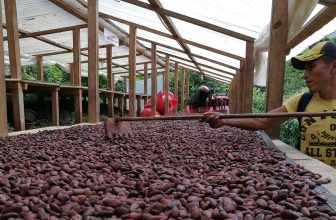
For anyone passionate about chocolate, visiting Madagascar is a dream. In the Sambirano Valley, you can walk among cacao trees heavy with pods, meet the farmers who cultivate them, and witness the transformation from bean to bar. The scent of fermenting cacao, the rhythmic sounds of drying beans being raked under the sun, and the laughter of farmers at work create an atmosphere that feels timeless.
Local cooperatives and plantations sometimes welcome visitors, eager to share their craft. You can taste cacao pulp fresh from the pod, it’s surprisingly sweet and tangy, or sample different stages of the process, from raw bean to finished chocolate. It’s an experience that deepens your appreciation for the immense effort behind every bar.
Madagascar may not have the fame of Belgium or Switzerland, but for those who explore its cacao origins, it leaves an unforgettable impression. The island’s chocolate isn’t just delicious, it’s soulful, a true reflection of the land and the people who nurture it.
Why Madagascar Deserves Its Place Among the Greats
What makes Madagascar chocolate stand out isn’t just its flavor, but its authenticity. It represents everything that’s right about the modern chocolate movement: transparency, sustainability, and respect for tradition. It bridges worlds, the careful hands of smallholder farmers, the artistry of makers, and the curiosity of chocolate lovers seeking something extraordinary.
Madagascar has achieved what few regions manage: to turn its isolation into a strength. Its cacao doesn’t imitate others; it defines its own category. Each bar tells a story of climate, culture, and collaboration, woven together in flavor.
Conclusion
Madagascar’s rise as a hidden gem for chocolate lovers isn’t a coincidence, it’s the result of passion, perseverance, and respect for nature. From the volcanic soils of the Sambirano Valley to the skilled hands of local farmers, every element works in harmony to create chocolate unlike any other.
What began as a colonial experiment has evolved into a symbol of quality and authenticity that now stands among the finest in the world. The island’s chocolate captures not just flavor but feeling, a sense of connection to place, people, and craft.
The next time I unwrap a bar made with Madagascar cacao, I don’t just taste fruit and sunshine. I taste an entire island’s spirit, a reminder that hidden gems still exist, waiting for us to discover their stories in every bite.