Can Chocolate Be Truly Ethical?

Chocolate has long been a universal symbol of comfort and joy, but behind its glossy bars and rich aroma lies a complex web of production that many consumers rarely think about. As someone who spends a great deal of time exploring the stories behind chocolate, I’ve often found myself questioning the morality of my favorite indulgence. Can a product with such global demand, built on centuries of labor and trade, ever be truly ethical? To answer that, one has to trace chocolate’s journey from the cacao farms to the finished product and examine whether the systems in place genuinely support the people and environments involved.
The Hidden Cost of a Sweet Indulgence
Most chocolate lovers never see the faces behind their favorite treat. The average bar of chocolate is the product of an intricate supply chain that stretches from tropical cacao farms in West Africa, South America, and Southeast Asia to factories and boutiques around the world. Yet at the heart of this process lies a difficult truth: much of the world’s cacao is harvested by small-scale farmers living in poverty, often earning less than two dollars a day.
For many of these farmers, cacao cultivation is not a pathway to prosperity but a constant struggle for survival. They are vulnerable to volatile global prices, poor infrastructure, and exploitative middlemen who pay far below the value of their labor. In some regions, especially in West Africa, child labor remains a devastating issue. Families, unable to afford adult laborers, sometimes rely on children to work in the fields, pruning trees and carrying heavy loads under harsh conditions.
These realities challenge the romantic image of chocolate as a feel-good luxury. Each bite comes with moral weight, reminding me that sweetness in one part of the world can often be built on hardship in another.
How the Industry Became So Complex
To understand why ethical chocolate is so difficult to achieve, it’s important to look at how the industry evolved. Cacao, native to the Amazon Basin, was first cultivated by ancient civilizations in Central and South America. It was revered as a sacred crop, used in rituals, and even traded as currency. But as European demand for chocolate grew in the colonial era, cacao became a commodity, and the focus shifted from cultural heritage to profit.
Plantations were established in colonies across Africa and Asia, fueled by forced labor and economic exploitation. Over time, major chocolate companies in Europe and North America consolidated control, creating a global market where cacao farmers had little bargaining power.
Even today, the system operates in a way that favors large corporations. Most farmers sell their beans to intermediaries who blend cacao from different regions, making it nearly impossible to trace a bar of chocolate back to a specific farm. This opacity hides unethical practices and makes accountability difficult.
Ethical chocolate, therefore, isn’t just about fair wages or sustainability, it’s about dismantling a system designed for profit over people.
The Fair Trade Movement
One of the first major attempts to reform the industry came with the rise of Fair Trade. The Fair Trade certification was designed to guarantee farmers a minimum price for their cacao and ensure safe working conditions. It also encourages community development projects, such as schools, health clinics, and infrastructure improvements.
On paper, Fair Trade seems like an ideal solution. It gives consumers confidence that their purchase supports positive change. However, the reality is more complicated. Certification can be expensive, and many small farmers cannot afford to join. Additionally, not all companies that use Fair Trade labels fully commit to its principles. Some purchase only a small percentage of their cacao under Fair Trade terms, using the label more as a marketing tool than a genuine ethical commitment.
This makes me question whether Fair Trade alone can make chocolate truly ethical. It’s a step forward, but it doesn’t completely address the deeper issues of inequality and power imbalance in the supply chain.
Beyond Fair Trade: Direct Trade and Transparency
In recent years, a new wave of chocolate makers has emerged, committed to going beyond certification. These bean-to-bar producers often practice direct trade, building personal relationships with farmers and paying premium prices for high-quality beans.
Direct trade allows chocolate makers to trace their cacao to specific farms and ensure that farmers are paid fairly for their work. It also gives producers the opportunity to share the stories of the communities behind each bar, connecting consumers to the origins of their chocolate in a meaningful way.
Transparency has become the cornerstone of this movement. Many craft chocolate companies now publish details about their sourcing, including the region, the farmer cooperative, and even the exact fermentation process. This level of honesty builds trust and allows consumers to make informed choices.
Still, direct trade is mostly limited to small, artisanal chocolate brands. Large-scale companies, which dominate the global market, continue to rely on complex supply chains that make transparency almost impossible. Until the broader industry embraces this approach, the ethical gap will persist.
The Environmental Side of Ethics
Ethical chocolate isn’t just about human rights, it’s also about the planet. Cacao trees grow best in tropical climates, and as global demand for chocolate increases, deforestation has become a major concern. In some countries, rainforests have been cleared to make way for cacao plantations, threatening biodiversity and contributing to climate change.
The irony is that cacao itself is a fragile crop that depends on healthy ecosystems. It thrives in shaded environments with rich soil and stable rainfall. Unsustainable farming practices not only harm the planet but also jeopardize the future of the industry.
Many farmers are now adopting agroforestry methods, where cacao is planted alongside other trees to mimic natural forest conditions. This approach not only improves biodiversity but also helps farmers diversify their income. Some chocolate brands actively support such initiatives, investing in reforestation and sustainable agriculture programs.
For me, this environmental dimension underscores that ethical chocolate must consider both people and planet. You can’t separate social justice from ecological balance, they’re two sides of the same story.
The Power of Consumer Awareness
One of the most powerful forces shaping the chocolate industry today is consumer awareness. People are beginning to ask tough questions about where their chocolate comes from and how it’s made. This shift in consciousness has pushed companies to reexamine their practices and be more transparent about sourcing.
Consumers who seek ethical chocolate can look for brands that disclose the origin of their cacao, support small farmers, and avoid exploitative supply chains. Certifications like Rainforest Alliance and Fair for Life can help, but direct trade and traceable sourcing are even stronger indicators of genuine ethics.
Every purchase is a vote for the kind of industry we want to support. Choosing ethical chocolate sends a clear message that fairness and sustainability matter. It may seem like a small act, but collectively it can drive significant change.
The Human Connection Behind Each Bar
What often gets lost in discussions about ethical chocolate is the human element. Behind each cacao pod is a farmer who planted it, nurtured it, and harvested it by hand. These individuals often work long hours in difficult conditions, driven not by wealth but by passion and tradition.
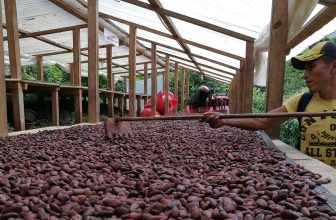
Visiting a cacao farm in Ecuador opened my eyes to how much skill goes into every step of the process. Fermentation, drying, and sorting are delicate stages that determine the final flavor of chocolate. The farmers spoke not about profit, but about pride in their craft. They wanted recognition, not pity, a fair share of the value they helped create.
That experience reinforced for me that ethical chocolate is not a distant concept. It’s about respect for the people whose labor makes enjoyment possible. When we choose chocolate that values those lives, we make the industry a little more human.
The Challenges Ahead
Despite the progress made by ethical brands and conscious consumers, achieving truly ethical chocolate remains an uphill battle. Global demand continues to rise, and with it comes pressure for mass production at the lowest cost. Large corporations still control most of the supply, and changing their systems is slow and difficult.
Moreover, poverty and inequality in cacao-producing regions cannot be solved by the chocolate industry alone. Governments, NGOs, and consumers all play a role in creating fairer systems. Education, infrastructure, and access to markets must improve to give farmers real economic power.
Technology may also be part of the solution. Blockchain and digital traceability tools are being developed to track cacao from farm to bar, ensuring that each step of the process is transparent and verifiable. These innovations give hope that the industry can eventually balance ethics and efficiency.
What Ethical Chocolate Means to Me
For me, ethical chocolate is not a destination but a continuous journey. It’s about striving for fairness even when perfection is impossible. No single certification or brand can claim to be completely ethical, but every effort to make the industry more transparent and humane matters.
True ethics in chocolate means respecting farmers, protecting the environment, and being honest about the imperfections that still exist. It’s about progress rather than purity.
I’ve come to believe that ethical chocolate starts with empathy, with caring enough to look beyond the wrapper and see the world inside it. That awareness transforms chocolate from a simple treat into something meaningful, a connection between people and places across continents.
The Way Forward
If the world is to move toward truly ethical chocolate, collaboration is key. Farmers, manufacturers, governments, and consumers must work together to redesign the system. Supporting local cooperatives, encouraging sustainable farming, and demanding transparency from big brands are all steps in the right direction.
Consumers can also make an impact by exploring smaller chocolate makers who prioritize direct relationships with farmers. These brands often produce some of the best chocolate in the world, with flavor profiles that tell the story of their origins. By valuing quality over convenience, we support a system that rewards craftsmanship instead of exploitation.
In the long run, the ethical transformation of the chocolate industry will depend on awareness and accountability. Each link in the chain, from the farmer to the factory, to the person unwrapping the bar, must take responsibility.
Conclusion
Chocolate can be ethical, but only if we redefine what that word means. It’s not about perfection; it’s about intention and effort. The goal is not a flawless industry but one that continually strives to respect its workers, its environment, and its consumers.
For me, every ethical bar of chocolate represents a small act of justice, a recognition that pleasure and conscience can coexist. The journey from bean to bar should honor the people and the planet that make it possible.
Ethical chocolate may never be easy, but it is possible, and it begins with awareness. Each choice we make shapes the future of this beloved industry, one bite at a time.