Exploring the Ancient Mayan Love Affair with Chocolate

Long before chocolate became a global symbol of indulgence and comfort, it was a sacred element in the daily life of the ancient Maya. Their relationship with chocolate went far beyond taste, it was woven into their religion, social structure, and very identity. The Maya didn’t see chocolate as a treat but as a divine gift, a link between the heavens and the earth. Every sip of their cacao drink told a story of gods, rituals, and human devotion. As I delved into the history of this civilization, I began to realize that our modern obsession with chocolate is just a faint echo of the reverence the Maya once had for it.
The Birthplace Of Chocolate
The tropical lowlands of Central America were the cradle of cacao cultivation. The Maya lived in regions where cacao trees thrived, humid forests stretching across present-day southern Mexico, Belize, Guatemala, and Honduras. They were among the first to domesticate the cacao plant, cultivating it not for its fruit, but for the seeds hidden inside the pods.
The Maya believed cacao was a sacred plant gifted by the gods. Their mythology tells of the god Kukulkan, who bestowed cacao upon humans after creating them from maize. To them, cacao symbolized life itself, fertility, abundance, and renewal. Archaeological discoveries of cacao residue in Mayan pottery date back to around 500 BCE, proving how deeply this plant was intertwined with their existence.
The Mayan cacao beverage wasn’t the sweet treat we know today. It was made by fermenting, roasting, and grinding cacao beans, then mixing them with water, chili, and sometimes cornmeal or honey. The result was a frothy, bitter elixir, often poured from one vessel to another to create a foam. That foam, they believed, carried the drink’s spiritual essence, the part that connected mortals with the gods.
Cacao As A Symbol Of Status
In Mayan society, chocolate wasn’t available to everyone. It was a privilege of the elite, used during ceremonies, feasts, and political gatherings. Drinking cacao signified power, refinement, and divine favor. Rulers and nobles would sip the rich beverage from elaborately painted ceramic cups adorned with hieroglyphs and mythological imagery.
Cacao even held a role in the afterlife. Burial sites of Mayan nobility often contained vessels filled with cacao residue, suggesting that chocolate was considered essential for the journey beyond death. To the Maya, life and chocolate were inseparable, both born from the earth and both capable of transcending it.
Among the wealthy, chocolate was also used as a social tool. Offering cacao to guests was a gesture of respect and alliance. Marriages, negotiations, and religious events often began with a shared drink of cacao, binding participants through ritual. I can imagine the scent of roasted beans filling the air, the rhythmic sound of grinding stones, and the hum of conversation as thick, foamy chocolate was passed from hand to hand.
The Spiritual Essence Of Cacao
To the Maya, cacao wasn’t just food; it was a spiritual entity. They saw the tree as a sacred connection between the underworld, the earth, and the heavens. Its roots reached into the underworld, its trunk stood on earth, and its branches stretched toward the divine. This symbolism made cacao central to their mythology and religious ceremonies.
Cacao played a role in rituals dedicated to fertility, harvests, and even human sacrifice. Priests offered cacao drinks to the gods, sometimes mixing them with blood to symbolize the merging of divine and human life. During weddings, couples would exchange cacao as a symbol of unity and prosperity. In certain ceremonies, cacao beans were cast into sacred fires as offerings, their crackling shells releasing the scent of devotion.
What fascinates me most is how the Maya perceived chocolate not as indulgence but as connection, a way to communicate with higher powers. Each cup carried meaning. Each bean was more than a seed; it was a vessel of spiritual energy.
The Role Of Cacao In The Economy
Cacao wasn’t just sacred, it was also currency. The Maya used cacao beans as money long before the introduction of coins. The beans were small, portable, and valuable, making them an ideal medium of exchange. A few beans could buy a tamale or pay for services. Larger quantities could purchase livestock or clothing.
The use of cacao as currency reveals how deeply it shaped Mayan life. It wasn’t only for drinking but also for sustaining their economy. Merchants traveled vast distances to trade cacao beans, moving them along established routes that connected city-states. Markets buzzed with activity as cacao beans passed from hand to hand, their value tied not only to their scarcity but also to their spiritual significance.
What’s remarkable is how cacao bridged the spiritual and the practical. It was wealth and worship combined, a tangible reflection of how the Maya blurred the lines between material and divine worlds.
Preparation And Ritual Of Drinking Chocolate
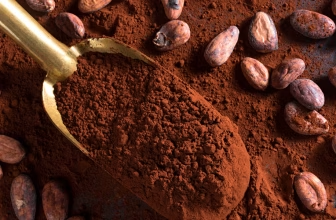
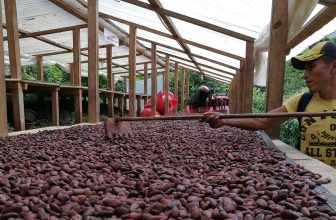
The Mayan chocolate drink was unlike any modern hot chocolate. It wasn’t meant for comfort, it was a ceremonial beverage crafted with care and precision. The preparation itself was almost a ritual. Cacao beans were first fermented and dried under the sun, then roasted to release their aroma. The outer shells were removed, and the nibs were ground into a paste using a metate, a traditional stone tool.
This paste was mixed with hot water, spices like chili or annatto, and sometimes honey to soften the bitterness. The liquid was poured repeatedly between two vessels to create a thick foam, which was considered the most prized part. The foam was the heart of the drink, representing life and breath.
I imagine the atmosphere as these drinks were prepared, a mix of reverence and anticipation. The froth would rise like a soft cloud, shimmering in the light of oil lamps, and as it touched the lips, it carried not just flavor but meaning. Drinking cacao was a moment of communion, whether with guests, ancestors, or gods.
The Mayan Cacao And Modern Chocolate
It’s impossible to trace modern chocolate without passing through the world of the Maya. Their cultivation techniques and deep respect for cacao laid the foundation for everything that followed. Later, the Aztecs adopted the Mayan traditions, refining the recipes and spreading them across Mesoamerica.
When European explorers arrived in the 16th century, they encountered cacao in the form of a bitter, spiced drink that shocked their palates. The Spanish eventually brought it back to Europe, sweetening it with sugar and vanilla, transforming it into the chocolate we know today. Yet behind every modern bar of chocolate lies the echo of Mayan wisdom, their craftsmanship, ritual, and love for the bean.
What remains most striking is how the Mayan spirit still lingers in our relationship with chocolate. We may not perform rituals or offer cacao to the gods, but we still treat it as something special, something that stirs emotion and memory. Every time I savor a piece of dark chocolate, I feel a connection that stretches back thousands of years to those first hands that harvested cacao under the tropical sun.
The Symbolism Of Cacao In Art And Writing
Mayan art and inscriptions reveal how important cacao was to their worldview. Murals and pottery depict scenes of rulers drinking cacao during ceremonies, while hieroglyphs often feature the symbol for cacao, a stylized pod. In some cases, entire stories were painted on vessels used specifically for drinking chocolate.
These depictions weren’t just decorative; they documented the social and spiritual dimensions of cacao. For the Maya, art was storytelling, and cacao was one of its main characters. It symbolized fertility, wisdom, and life’s cyclical nature. In certain myths, the cacao tree even grew from the body of a sacrificed god, showing its link to resurrection and renewal.
Through their art, the Maya preserved the soul of cacao. Those symbols still speak to us today, reminding us that chocolate was never merely food, it was a bridge between the human and the divine.
The Connection Between Cacao And Emotion
The Maya understood the emotional pull of cacao long before science could explain it. They knew how it stirred feelings of warmth, energy, and clarity. Modern research confirms that cacao releases endorphins and serotonin, but for the Maya, that sensation wasn’t chemical, it was spiritual. Drinking cacao was believed to open the heart, heighten awareness, and strengthen the bond between people.
In today’s world, cacao ceremonies inspired by ancient Mayan traditions are making a resurgence. People gather to drink pure cacao in meditative settings, seeking connection, healing, and emotional balance. This modern revival feels like a continuation of the ancient ritual, a recognition that cacao carries a kind of wisdom that transcends time.
The Role Of Women In The Cacao Tradition
In Mayan society, women often prepared and served cacao, especially during domestic and ritual occasions. Their role went beyond simple preparation; they were guardians of the ritual, ensuring that the process was done with respect. Grinding cacao was considered an act of devotion, and the women who performed it were seen as keepers of cultural and spiritual continuity.
Some depictions even show women offering cacao to deities or pouring it in ceremonies. This emphasizes how cacao wasn’t only a symbol of male power and status but also of feminine energy, fertility, and creation. The act of transforming raw beans into a divine drink reflected the life-giving role of women in Mayan society.
The Enduring Legacy Of The Mayan Cacao Spirit
Though centuries have passed, the Mayan influence on chocolate remains alive. Their innovations in cultivation, preparation, and ritual form the backbone of the global chocolate industry. The respect they held for cacao, its role as nourishment, currency, and connection, continues to inspire modern chocolatiers and historians alike.
For me, learning about the Mayan relationship with cacao deepens my appreciation for every piece of chocolate I eat. It’s humbling to think that something as familiar as a chocolate bar has roots in ancient ceremonies, prayers, and dreams. Each bite carries with it the story of a people who believed that cacao was the essence of life.
Conclusion
Exploring the ancient Mayan love affair with chocolate reveals more than history, it unveils a bond between humans and nature that remains relevant even today. The Maya didn’t just consume cacao; they honored it. They saw it as a sacred element capable of connecting hearts, communities, and realms of existence.
Their devotion transformed cacao from a simple seed into a symbol of power, spirituality, and beauty. In every cup they drank, they found meaning. In every bean they traded, they saw value. And in every ritual they performed, they celebrated life itself.
Today, as I enjoy the smooth taste of chocolate, I feel a quiet echo of that same reverence. The sweetness on my tongue is more than pleasure, it’s history reborn, a reminder that chocolate’s true magic lies not only in its flavor but in the timeless human love that gave it life.