What Makes Single-Origin Chocolate So Special?
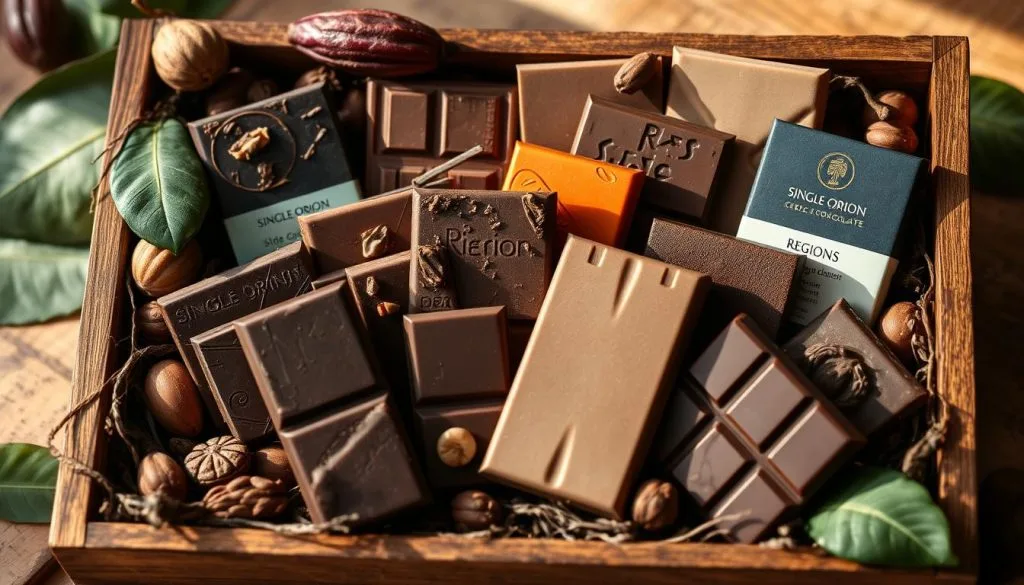
Single-origin chocolate has always fascinated me because of how deeply personal it feels. It’s not just about the sweetness or the texture; it’s about tracing flavor back to its roots. Unlike blends that mix beans from various regions to achieve uniformity, single-origin chocolate is a taste of place, a direct reflection of the soil, climate, and people who nurture the cacao. Each bar tells a story that can’t be replicated anywhere else.
The Meaning Behind Single-Origin Chocolate
Single-origin chocolate comes from cacao harvested in one specific region, farm, or even a single estate. This focused sourcing allows the chocolate to showcase unique flavor notes that arise from the distinct conditions of that area. It’s similar to the concept of terroir in wine, where geography and climate directly influence the taste and aroma.
For instance, cacao from Madagascar often carries bright, fruity acidity with hints of red berries, while beans from Ghana bring deeper, more robust cocoa tones. Peruvian cacao, on the other hand, might surprise you with floral or citrus undertones. Each origin has its fingerprint, and tasting them side by side can feel like traveling across continents without leaving your seat.
The beauty of single-origin chocolate lies in its honesty. It doesn’t hide behind additives or blends; it celebrates individuality. You can sense the difference immediately, the way the chocolate melts, the scent it releases, and the subtle shifts of flavor on your tongue as it lingers.
The Role of Terroir in Flavor
So much of what makes single-origin chocolate special comes down to terroir, the combination of soil composition, altitude, humidity, and even nearby vegetation. These natural elements shape the cacao beans in ways that are impossible to duplicate elsewhere.
Imagine a cacao tree growing in volcanic soil in Ecuador, drawing minerals from deep underground. The beans it produces will carry an earthy richness, perhaps a hint of smoke or spice. Contrast that with trees growing near the sea in the Philippines, where the salty air subtly influences the beans, adding faint savory notes.
Farmers often understand this instinctively. They know how rainfall patterns, shade levels, and fermentation processes will affect their harvest. The same cacao variety grown in two different countries can yield completely different flavor experiences. That unpredictability, that sense of discovery, is what makes single-origin chocolate so compelling.
The Journey from Bean to Bar
Single-origin chocolate isn’t just about where the cacao comes from, it’s also about how it’s treated every step of the way. The process begins at the farm, where ripe cacao pods are carefully harvested by hand. Inside those pods are beans surrounded by a white, sticky pulp. Farmers scoop them out and leave them to ferment, a crucial stage that determines the final flavor.
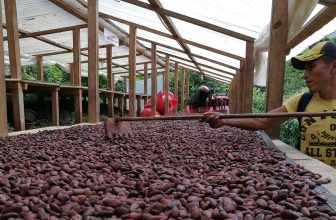
Fermentation is both science and art. It’s the moment when natural yeasts and bacteria begin transforming the beans, developing the complex flavors that will later emerge in the chocolate. After fermentation, the beans are dried under the sun, often on raised beds or large mats.
The next stages, roasting, winnowing, grinding, and conching, are handled with equal care by chocolate makers. Unlike mass producers who prioritize speed and consistency, artisans working with single-origin beans tend to slow down the process. They roast gently to preserve the delicate flavor notes unique to that region.
At the end of the journey, you get a bar of chocolate that doesn’t just taste good, it tastes alive. It reflects a partnership between nature, farmer, and maker, all united in one piece of art.
The Difference Between Single-Origin and Blended Chocolate
Most commercial chocolates are blends, made by mixing beans from multiple countries to achieve a standard flavor profile. It’s reliable and consistent, which is why major brands use this approach. But the downside is that it erases individuality. You don’t get to experience the unique nuances of a particular region because the flavors are averaged out.
Single-origin chocolate breaks away from that uniformity. It celebrates variety. You might find one bar slightly tangy, another earthy, another fruity and floral. Some might even have hints of nuts, wood, or caramel depending on where they come from. No two origins taste the same, and that unpredictability makes each bar feel like a discovery.
In a way, single-origin chocolate encourages curiosity. It invites you to slow down, to taste attentively, and to appreciate subtle details. It reminds you that chocolate, like wine or coffee, can be as diverse as the landscapes it grows in.
The Farmers Behind the Flavor
Behind every single-origin chocolate bar are farmers who dedicate their lives to cultivating cacao with care and precision. Many of them work on small family farms, tending to trees that have been passed down through generations.
These farmers understand their land intimately. They know which trees yield beans with the best balance of acidity and sweetness. They understand how long to ferment the beans and how to dry them to perfection. Their expertise, often built through decades of experience, is the reason single-origin chocolate can achieve such depth.
What I admire most is the sense of pride that comes with producing cacao meant for single-origin bars. Farmers know their work will not be blended into anonymity; their name, region, or cooperative often appears right on the packaging. It’s a form of recognition, a celebration of craftsmanship that extends beyond profit.
Some chocolate makers even travel directly to these farms, building relationships with growers and ensuring fair prices. This direct trade model helps sustain communities and encourages better environmental practices. For farmers, it’s more than just business, it’s validation that their hard work is valued and respected.
How Single-Origin Chocolate Shapes the Industry
The rise of single-origin chocolate has transformed the chocolate industry, ushering in a movement toward transparency and authenticity. Consumers today want to know where their food comes from and how it was made. Single-origin bars answer that curiosity by connecting people directly to the source.
This shift has encouraged ethical sourcing and fair trade practices. Chocolate makers are now more conscious of sustainability, biodiversity, and the social impact of their supply chains. Many have begun highlighting the names of regions, farms, or cooperatives, giving credit where it’s due.
It has also pushed innovation in flavor. Artisans are experimenting with minimal processing to preserve the beans’ natural character, avoiding excess sugar or additives that might mask the origin’s essence. As a result, chocolate has become more than a comfort food, it’s become a form of expression, a way to experience the world through taste.
The Tasting Experience
Tasting single-origin chocolate is a sensory adventure. It begins the moment you unwrap the bar. The aroma alone can tell you a lot about where it came from, sometimes fruity, sometimes nutty, sometimes floral or earthy.
When you break a piece, listen for the snap. That sound reveals quality tempering and good craftsmanship. Let the chocolate rest on your tongue instead of chewing it immediately. As it melts, you’ll notice how the flavors unfold gradually. Some start bright and sharp, others mellow and deep.
A bar from Venezuela might reveal caramel undertones with hints of tobacco or spice. Ecuadorian chocolate might feel smooth and floral. Tanzanian cacao often brings a balance of citrus and berry notes. It’s fascinating how the same basic ingredient can produce such wildly different results, simply because of where it grew.
Single-origin tasting isn’t about finding your favorite right away, it’s about exploring. It’s about noticing how your palate reacts, how each origin evokes a different mood. That mindful approach makes chocolate more meaningful, transforming a simple treat into an experience.
The Rise of Bean-to-Bar Makers
The popularity of single-origin chocolate has inspired a new generation of bean-to-bar makers who control every part of the process, from sourcing beans to crafting the final product. These artisans work in small batches, often with a focus on traceability and quality.
What sets them apart is their willingness to showcase the raw beauty of each origin. Instead of trying to smooth out imperfections, they lean into them, embracing the distinct character of each batch. The result is chocolate that feels authentic and honest, a far cry from mass-produced candy bars.
Bean-to-bar makers also bring storytelling into the craft. Many share information about the farmers they work with, the region’s climate, and the post-harvest techniques used. This transparency deepens the connection between consumer and producer, turning a simple indulgence into a celebration of craftsmanship and culture.
Sustainability and Ethical Responsibility
Sustainability is an integral part of the single-origin philosophy. Because these chocolates often come from smaller farms and cooperatives, they naturally encourage more responsible farming practices. Many of these farms rely on agroforestry systems, where cacao trees grow among other crops, preserving biodiversity and protecting soil health.
Ethical sourcing ensures that farmers receive fair compensation for their work, reducing the exploitation that has long plagued the cacao industry. By choosing single-origin chocolate, consumers indirectly support these values, helping maintain healthy ecosystems and better living conditions for farming communities.
What’s inspiring is that many single-origin chocolate producers are now working hand in hand with local organizations to address climate change, improve education, and empower women in agriculture. These efforts go beyond chocolate, they’re about creating a sustainable future for the people and environments that make it possible.
Why I Prefer Single-Origin Chocolate
What draws me to single-origin chocolate isn’t just the taste, it’s the connection. Each bar feels like a passport to another part of the world. The flavors tell stories of soil, rain, and sunlight, but also of people who care deeply about their craft.
I enjoy how unpredictable it can be. One bar may taste like honey and citrus, another like roasted nuts and molasses. That variation makes each tasting feel alive, full of discovery. It reminds me that chocolate is not static, it evolves, shaped by nature, culture, and human touch.
Above all, single-origin chocolate feels authentic. It doesn’t try to please everyone. It just tells its truth, one bite at a time.
Conclusion
Single-origin chocolate stands apart because it represents honesty, individuality, and respect, for the land, the farmers, and the craft. It captures the essence of place in a way that no blend can replicate.
Each bar carries a sense of geography and humanity, an unbroken line from the cacao tree to your hands. Tasting it is more than indulgence, it’s a journey across landscapes, cultures, and stories.
In a world where so much of what we consume feels impersonal, single-origin chocolate reminds us that true richness lies in origin, not perfection. It’s proof that the world’s most beloved sweet still has mysteries left to explore, one origin at a time.