The Story Behind the World’s Rarest Chocolate Bean

In the world of chocolate, rarity has a flavor of its own. Most people have tasted chocolate made from the common Forastero bean, which makes up nearly 90 percent of global production. But beyond the commercial farms and factory blends lies a story few have ever heard, a story about a bean so rare it nearly disappeared from existence. This is the tale of the world’s rarest chocolate bean, a journey that spans jungles, lost civilizations, and the dedicated individuals who fought to bring it back to life.
I remember the first time I read about this elusive variety. It wasn’t a legend or a marketing gimmick, it was a real genetic strain of cacao known as Pure Nacional, long thought extinct. The more I learned about its rediscovery, the more fascinated I became with the people who dedicated their lives to preserving a piece of chocolate history.
A Lost Treasure of the Andes
The Pure Nacional cacao traces its origins to the upper reaches of the Andes in Ecuador and Peru, regions that once formed part of the cradle of chocolate civilization. Centuries before European explorers brought cacao to the rest of the world, Indigenous peoples were cultivating these beans in the rich soils near the Marañón River. They valued the crop not just as food but as a sacred gift, a link between the earth and the divine.
By the 19th century, Pure Nacional had become Ecuador’s pride. It produced beans with a delicate floral aroma and complex flavor profile that was unlike anything else. Chocolatiers across Europe sought it out, calling it the “champagne of cacao.” For decades, Ecuador led the world in fine-flavor cocoa exports, and the country’s economy flourished on the back of these prized beans.
Then, almost without warning, it all vanished.
In the early 20th century, a devastating outbreak of witches’ broom disease swept through South America. This fungal infection destroyed cacao trees across the region, and Pure Nacional plantations were among the hardest hit. Farmers, desperate to survive, replaced their dead trees with hardier but less flavorful hybrids. Within a few decades, Pure Nacional was declared extinct.
Rediscovery in the Marañón Valley
Nearly a century later, fate intervened in the most unexpected way. In 2007, a pair of American travelers working on a conservation project in northern Peru stumbled upon an isolated valley in the Marañón region. There, among the dense vegetation and steep mountain slopes, they found local farmers cultivating old cacao trees with unusually pale beans.
Curious, they sent samples to the U.S. Department of Agriculture for genetic testing. The results shocked the scientific community, the beans were indeed Pure Nacional, the same strain thought to have vanished almost a hundred years before. Even more surprising, some pods contained rare white beans, a genetic anomaly that contributed to an exceptionally smooth and floral chocolate.
News of the rediscovery spread quickly through the chocolate world. Experts, chocolatiers, and geneticists traveled to the remote valley to study the trees. It became clear that this tiny region, tucked away between mountains and accessible only by dirt roads, was home to a living relic of chocolate’s golden past.
What Makes Pure Nacional So Special
The uniqueness of the Pure Nacional bean lies in its flavor complexity. Most chocolates balance bitterness and sweetness, but this bean offers something deeper. Its taste is layered with notes of jasmine, orange blossom, nuts, and tropical fruits, all unfolding gradually as it melts. The pale color of the white beans gives the chocolate a light tone, both in flavor and texture, unlike any other variety.
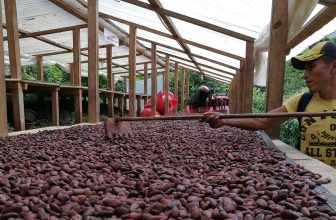
This sensory experience doesn’t come easily. The beans require meticulous fermentation and drying to maintain their delicate qualities. Local farmers in the Marañón Valley have learned to handle them with care, often using small-scale traditional methods passed down through generations. Each batch is carefully fermented in wooden boxes, turned by hand, and sun-dried over several days to ensure the full range of flavors emerges.
I’ve tasted many chocolates from around the world, but none left as lasting an impression as one made with Pure Nacional beans. It wasn’t just about the flavor, it was the sense of connection to history, to a story that almost ended before being rediscovered by chance.
The Human Side of Rarity
Behind every rare cacao tree stands a community of farmers whose lives are intertwined with the crop. In the Marañón Valley, families have tended these trees for generations, unaware that their humble orchards held a treasure. Their rediscovery not only transformed the global chocolate narrative but also revitalized the local economy.
With the help of sustainable trade organizations and ethical chocolate companies, these farmers began producing small batches of Pure Nacional cocoa for the luxury chocolate market. Unlike industrial cocoa farms, which often exploit labor and pay meager wages, this project focused on transparency and fair compensation. Each harvest was carefully tracked, and farmers received prices far above the global market rate for their beans.
I found it inspiring to see how a single rediscovery could breathe life into an entire region. Roads were repaired, schools were built, and younger generations began taking pride in their families’ work again. The story of Pure Nacional is not just about the bean, it’s about human resilience, community, and the power of preserving what truly matters.
Crafting Chocolate from the World’s Rarest Bean
Working with Pure Nacional cocoa is an art in itself. Only a few select chocolatiers around the world have access to it, and they treat it with reverence. Unlike mass-produced chocolate, these makers use traditional methods such as stone grinding and small-batch conching to protect the bean’s natural character.
The chocolate that results from this process is not merely a product, it’s an experience. Each bar tells the story of the Marañón Valley, of the farmers who nurture the trees, and of the lost variety that defied extinction. Some craft makers include details about the specific farm or even the altitude of the cacao trees, highlighting how each microclimate contributes subtle differences in taste.
These bars often sell for premium prices, but those who appreciate fine chocolate understand why. They aren’t just buying chocolate; they’re supporting conservation, culture, and craftsmanship. In a world flooded with mass production, such authenticity feels rare and valuable.
Challenges in Preservation
Despite the excitement surrounding its rediscovery, Pure Nacional faces ongoing challenges. The trees are fragile and susceptible to disease, and their isolated location makes them vulnerable to environmental changes. Climate shifts could alter rainfall patterns and temperature ranges, threatening the delicate balance that allows the cacao to thrive.
Additionally, maintaining genetic purity requires careful oversight. Hybridization with other cacao strains could dilute the unique qualities that make Pure Nacional so extraordinary. Conservationists are working closely with local farmers to protect the integrity of these trees, distributing seedlings only under controlled conditions.
Another challenge lies in balancing exclusivity with accessibility. While scarcity adds to the bean’s mystique, it also limits the number of people who can experience it. Producers must decide how much to expand production without compromising quality or sustainability.
Cultural Roots and Symbolism
Beyond flavor and rarity, Pure Nacional holds cultural significance. For the people of the Marañón Valley, the bean symbolizes rebirth and continuity. What was once considered lost has become a symbol of pride and identity. It connects them to their ancestors, who cultivated cacao long before the modern world discovered its value.
In Ecuador, where Pure Nacional was originally dominant, the rediscovery rekindled a national conversation about the importance of preserving native cacao varieties. It reminded people that heritage crops carry not only economic potential but also cultural stories worth protecting.
Even international chefs and chocolatiers have embraced this symbolism. They view Pure Nacional not just as an ingredient but as a piece of edible history, a way to honor the craftsmanship and biodiversity that chocolate owes its existence to.
How the Bean Changed the Chocolate World
The rediscovery of Pure Nacional reshaped the way many people think about chocolate. It proved that chocolate could have terroir, the same concept wine lovers use to describe how soil, climate, and geography influence flavor. It also inspired a new generation of bean-to-bar makers who sought to reconnect chocolate to its agricultural roots.
In the years following the discovery, companies began marketing single-origin chocolates more aggressively, highlighting regions like Madagascar, Belize, and Venezuela. Yet few stories resonated as deeply as that of Pure Nacional. It became a benchmark for quality, a reminder that great chocolate begins with respect for the land and the people who cultivate it.
For consumers, it also sparked curiosity. People began asking where their chocolate came from and how it was made. This shift toward transparency and appreciation for craftsmanship continues to influence the industry today.
A Glimpse into the Future
As global tastes evolve, the demand for fine-flavor and ethically sourced chocolate continues to grow. The Pure Nacional bean stands as a beacon for what is possible when tradition, science, and passion align. Efforts are now underway to expand cultivation while maintaining strict quality standards, ensuring that the bean’s essence is never diluted.
In the future, the Marañón Valley may serve as a model for sustainable cocoa production worldwide. Its blend of ecological balance, community empowerment, and historical preservation offers a blueprint for other regions seeking to reclaim their agricultural heritage.
Conclusion
The story behind the world’s rarest chocolate bean is more than a tale of rediscovery, it’s a reflection of humanity’s connection to nature, culture, and taste. From the misty valleys of Peru to the refined workshops of artisan chocolatiers, this bean has journeyed across time to remind us that true luxury lies not in abundance but in authenticity.
Every bite of Pure Nacional chocolate carries centuries of history and the spirit of those who refused to let it fade away. It speaks of loss and renewal, of a world where craftsmanship and care still matter. In a marketplace often driven by convenience and volume, its story stands as a quiet but powerful testament to the enduring beauty of rarity.