Why South America Is Still the Heart of Fine Chocolate

Cacao is more than a crop in South America; it is the continent’s living legacy, woven into its soil, its history, and its people. Every bar of fine chocolate that carries the soul of the region tells a story centuries in the making. From the lush rainforests of Ecuador to the highlands of Peru and the coastal plains of Venezuela, South America continues to be the place where cacao thrives not only as an agricultural treasure but also as a cultural identity. The world may have expanded its chocolate horizons, yet the finest expressions of this beloved ingredient still trace their roots back to South American soil.
The Birthplace of Cacao
The story of chocolate begins deep within the rainforests of the Amazon Basin. Archaeological evidence points to the upper Amazon region, modern-day Ecuador and Peru, as the birthplace of cacao cultivation more than five thousand years ago. Long before European explorers encountered it, indigenous peoples like the Olmecs, Mayans, and later the Aztecs were already fermenting and drinking cacao in ceremonial and everyday settings.
South American civilizations didn’t see cacao as a luxury. It was a sacred plant that symbolized life, abundance, and divine connection. The beans were used in trade, rituals, and medicine. The earliest chocolate was not sweet but earthy, bitter, and spiced with ingredients like chili and maize. This ancient reverence for cacao laid the foundation for the traditions that still exist today, where the bean is handled with deep respect and patience.
The fact that cacao’s genetic origin can be traced to South America gives the region an authenticity that no other part of the world can replicate. The diversity of native cacao varieties, some of which are still being rediscovered, reminds us that fine chocolate begins where the story of cacao began.
The Rich Diversity of Cacao Varieties
South America is home to an astonishing range of cacao genetics. The most prized among them is the Criollo variety, celebrated for its complex aroma and smooth, delicate flavor. Found mainly in Venezuela, Criollo beans are rare and often form the foundation of the world’s most luxurious chocolate bars. They carry notes of nuts, caramel, and mild fruit that make them unforgettable.
Then there is Nacional cacao from Ecuador, another jewel of South American heritage. Known for its floral and fruity profile, Nacional was nearly wiped out by disease in the early 20th century but has since made a remarkable comeback. It is now the pride of Ecuadorian cacao farmers and a favorite of artisanal chocolate makers worldwide.
Other regions like Peru, Colombia, and Bolivia have their own native strains, some of which have only recently been classified. Genetic research has revealed a deep well of biodiversity in the region’s cacao, far richer than previously believed. This diversity not only contributes to the distinctive flavor profiles of South American chocolate but also ensures resilience against pests and climate change.
Every variety, from the fruity Amazonian cacao to the nutty Venezuelan Criollo, reflects its environment. The soil, the rainfall, and even the nearby vegetation shape the bean’s personality. This is what makes South American cacao the heart of fine chocolate, the land itself seems to infuse each bean with character.
The Art of Cultivation and Harvest
Farming cacao in South America is not just a livelihood; it is a craft passed through generations. The majority of cacao farmers work small plots of land, often no larger than a few hectares, and rely on methods that have changed little over time.
Cacao trees are typically grown under the shade of taller plants like banana or mango, a practice that protects them from harsh sunlight and helps maintain the ecosystem. Harvesting is done entirely by hand. Farmers carefully select ripe pods, split them open with machetes, and scoop out the white pulp and beans to begin the fermentation process.
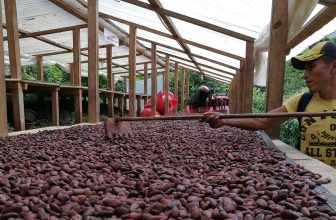
Fermentation is where the magic begins. The beans are placed in wooden boxes or banana leaves and left to ferment naturally for several days. The process transforms the raw beans, unlocking the aromatic compounds that give chocolate its rich, layered taste. After fermentation, the beans are sun-dried, another slow, deliberate step that ensures quality over quantity.
This method may seem old-fashioned in a world dominated by industrial farming, but it is precisely this care and manual precision that distinguishes South American cacao. The people who work the land are artisans in their own right, and their relationship with the crop reflects centuries of intimate knowledge and tradition.
The Power of Terroir
Just as wine carries the essence of its vineyard, chocolate reflects its terroir, the unique combination of soil, climate, and cultivation methods that influence flavor. South America’s landscapes, from coastal plains to mountain valleys, create ideal growing conditions for cacao.
Ecuador’s humid lowlands, for example, produce beans with floral and tropical fruit notes, while Peru’s high-altitude cacao has deep cocoa tones with hints of citrus and spice. In Venezuela, the Carenero and Chuao regions are legendary for their fine, creamy cacao with balanced acidity and natural sweetness.
What makes terroir even more significant in South America is how it intertwines with culture. Farmers don’t just grow cacao; they cultivate it within a living ecosystem that respects biodiversity and tradition. Each region’s distinct microclimate and farming customs come together to form flavors that can’t be reproduced elsewhere.
Small Farmers and the Bean-to-Bar Revolution
The rise of the bean-to-bar movement has brought global attention back to the origins of chocolate. Consumers are now more interested in where their cacao comes from, how it’s produced, and who benefits from it. South America has emerged as a leader in this new era of ethical, high-quality chocolate.
In countries like Peru, Ecuador, and Colombia, cooperatives and small producers have joined forces with chocolate makers who value transparency and sustainability. Instead of selling bulk cacao to intermediaries, these farmers now process and export directly, ensuring they receive fair compensation.
This shift has also inspired a new generation of South American chocolatiers to craft their own products locally. Ecuadorian brands like Pacari and Peruvian makers such as Cacaosuyo have proven that fine chocolate doesn’t have to be made in Europe. By controlling the entire process, from bean to bar, these companies preserve the purity of the cacao and highlight its regional identity.
The bean-to-bar movement has created a bridge between farmer and consumer, emphasizing that true luxury comes from authenticity, not mass production. South America stands at the center of this transformation, both as producer and innovator.
Challenges Facing South American Cacao
Despite its prestige, cacao farming in South America faces serious challenges. Climate change threatens the delicate balance that cacao trees require. Altered rainfall patterns, increasing pests, and soil depletion are all growing concerns. Farmers must adapt quickly to maintain both quality and yield.
Economic instability and limited access to resources also pose difficulties. Small-scale farmers often lack modern equipment or financial support, leaving them vulnerable to market fluctuations. In addition, competition from large cocoa-producing regions like West Africa means South American cacao must justify its higher cost through superior quality and ethical standards.
Yet resilience has always been part of the South American spirit. Many organizations and research institutions are now helping farmers implement sustainable practices, from agroforestry to organic cultivation. Education and innovation are becoming key tools to safeguard the future of fine cacao.
Innovation Rooted in Tradition
South America’s greatest strength lies in how it merges old wisdom with modern science. Genetic studies are helping preserve ancient cacao strains while improving resistance to disease. Technological advancements in fermentation and drying are enhancing consistency without compromising authenticity.
Some producers are experimenting with precision fermentation, carefully monitoring temperature and humidity to bring out specific flavor profiles. Others are using renewable energy sources for processing, reducing the industry’s environmental footprint. These innovations are not about replacing tradition but reinforcing it, ensuring that South American cacao continues to thrive in an evolving global market.
This balance between innovation and heritage captures the essence of the continent’s approach to chocolate: progress without erasure.
Cultural Heritage and Identity
Cacao is not merely an export product in South America, it is part of the continent’s cultural DNA. In many indigenous communities, cacao is still used in rituals and festivals as a symbol of fertility, gratitude, and unity. It represents a link between the spiritual and the everyday.
In modern cities, this reverence continues through culinary art. Chocolatiers, pastry chefs, and local artisans are rediscovering traditional flavors and blending them with contemporary techniques. Desserts infused with native fruits, spices, and herbs are giving chocolate a uniquely South American expression.
This cultural continuity gives South American chocolate a soul. It’s not just about the taste but about the story behind it, the hands that harvested the beans, the families that fermented them, and the communities that sustain the land.
Global Recognition and Influence
South America’s contribution to fine chocolate is now celebrated worldwide. International awards often feature South American brands and beans, recognizing their quality and craftsmanship. Chocolate festivals across the globe increasingly highlight origin-based cacao, and many of the most sought-after bars trace their lineage back to farms in Ecuador, Peru, and Venezuela.
Even major chocolate houses in Europe now proudly source beans from South America, acknowledging that the continent remains the standard for excellence. The global palate has evolved, and consumers can now taste the difference between mass-produced cocoa and the nuanced, aromatic flavors of South American cacao.
This global recognition has also fostered tourism. Travelers visit cacao farms, tasting centers, and chocolate museums across the continent, creating a new form of cultural and culinary exchange. The world no longer sees South America merely as a supplier, it’s the heart and mind of fine chocolate culture.
A Future Shaped by Respect and Renewal
The future of South American cacao depends on how well it can preserve its roots while facing modern realities. Sustainable farming, fair trade, and education will remain critical in protecting the industry from exploitation and environmental decline.
As consumers, supporting South American chocolate is not just a matter of taste, it’s an act of respect for centuries of craftsmanship and ecological balance. By valuing the origin, we help sustain the farmers and communities that keep this heritage alive.
The combination of ancient lineage, biodiversity, and cultural depth ensures that South America will continue to define what fine chocolate means. Its cacao is not just an ingredient; it’s a story of resilience, beauty, and authenticity that no machine or imitation can reproduce.
Conclusion
South America remains the beating heart of fine chocolate because it holds the origins, the diversity, and the spirit that define the craft. From the Amazon basin to the Andean foothills, cacao here is grown with reverence and transformed with artistry. The continent’s landscapes, its people, and its traditions give chocolate its soul.
I see South American cacao not as a relic of the past but as a living force shaping the future of the industry. It continues to inspire innovation while reminding the world that true excellence begins in the soil.
Fine chocolate may be enjoyed everywhere, but its heart will always belong to South America, the land where cacao was born and where it continues to be cherished, cultivated, and celebrated with devotion that can be tasted in every bite.