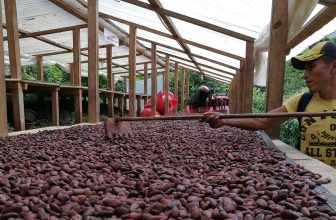
The Rise of Sustainable Chocolate Brands

Chocolate has always been more than just a sweet indulgence for me. It’s a symbol of comfort, a form of art, and a reflection of the world’s complex relationship with nature. Over the years, I’ve started noticing a powerful shift in the chocolate industry, a growing movement toward sustainability. What once was dominated by mass production and profit margins is now evolving into something more conscious, ethical, and environmentally responsible. The rise of sustainable chocolate brands is changing how we view our favorite treat, from bean to bar.
The Shift Toward Ethical Chocolate
For decades, the chocolate industry has been shadowed by harsh realities: child labor, deforestation, unfair wages, and poor working conditions for cocoa farmers. Most consumers never thought about what lay behind their chocolate bar. However, global awareness is growing. More people want to know where their food comes from, how it’s made, and who benefits from it. That curiosity has given rise to a wave of brands that are doing things differently, brands that value transparency, fairness, and sustainability over mere profit.
The movement isn’t just about ethics; it’s about reimagining how chocolate can exist in harmony with the planet. Sustainable chocolate brands prioritize eco-friendly farming, fair trade, and regenerative practices that restore rather than exploit. Their goal is to create a product that’s as good for people as it is for the earth.
Redefining the Cocoa Supply Chain
Traditional cocoa supply chains are notoriously long and opaque. Cocoa beans often pass through multiple middlemen before reaching manufacturers, leaving farmers with only a tiny fraction of the profits. Sustainable chocolate brands are dismantling this outdated model by establishing direct trade relationships with farmers. By cutting out intermediaries, these companies ensure that more of the revenue returns to the people who grow the cocoa.
I find it inspiring to see how direct trade has given farmers both financial independence and a stronger voice in the industry. Many of these brands also provide training on sustainable farming techniques, empowering communities to produce high-quality cocoa while protecting their environment. This approach not only benefits farmers but also leads to better chocolate. Healthier soil, fair pay, and ethical practices result in beans that are more flavorful and unique.
The Importance of Transparency
Transparency has become the heart of sustainable chocolate. Modern consumers want honesty, and these brands are responding with clear labeling and traceable sourcing. Many companies now share detailed information about the origins of their cocoa, the farmers they work with, and the conditions under which the beans are produced.
Some brands even include QR codes on their packaging, allowing buyers to trace the journey of their chocolate from the farm to their hands. This kind of openness builds trust and fosters a deeper connection between consumers and producers. I’ve noticed that the more transparent a company is, the more loyal its customers become. People value authenticity, and in the world of chocolate, that authenticity now comes through sustainability.
Tackling Child Labor and Poverty
One of the darkest aspects of the traditional cocoa industry is the prevalence of child labor. In regions like West Africa, poverty has forced families to rely on the labor of their children to survive. Sustainable chocolate brands are tackling this issue head-on by ensuring that farmers are paid fair wages. When parents earn enough to support their families, children can stay in school instead of working in fields.
These brands also invest in community development programs, building schools, providing healthcare, and offering educational resources. By improving living standards and economic stability, they address the root causes of child labor rather than just the symptoms. This kind of impact is what makes sustainable chocolate so much more meaningful to me. Every bar represents not just a sweet treat but a contribution to a better world.
Environmental Stewardship in Chocolate Production
Sustainability goes beyond fair trade, it’s about protecting the ecosystems that make cocoa farming possible. Climate change, deforestation, and soil depletion are major threats to cocoa production. In response, sustainable chocolate brands are adopting regenerative agriculture, reforestation, and biodiversity preservation as core principles.
Regenerative farming focuses on restoring soil health, increasing biodiversity, and capturing carbon from the atmosphere. Farmers plant shade trees alongside cocoa to protect the soil and reduce temperature extremes. Some even use agroforestry systems that combine cocoa with fruit and timber trees, creating diverse landscapes that support wildlife and improve resilience to climate change.
These efforts are not only good for the planet but also for the quality of the chocolate. Cocoa grown under shaded, biodiverse conditions tends to develop richer, more complex flavors. It’s fascinating to think that environmental health can directly translate into taste, linking ecology and pleasure in every bite.
Packaging That Reflects Purpose
Sustainable chocolate brands are rethinking packaging, too. Plastic wrappers and non-recyclable materials are being replaced with compostable, biodegradable, or recyclable alternatives. Some companies use paper made from agricultural waste, while others experiment with plant-based inks and minimal designs to reduce environmental impact.
It’s refreshing to see brands align their entire production process, from sourcing to packaging, with their ethical values. The packaging itself becomes part of the story, a visual and tactile reminder that sustainability can be beautiful and functional at the same time. For me, unwrapping a bar of sustainably packaged chocolate feels like participating in a larger act of respect, for the planet, for farmers, and for the craft of chocolate-making.
The Role of Certification Labels
Certifications play a significant role in the sustainable chocolate movement, though they’re not without controversy. Labels such as Fairtrade, Rainforest Alliance, and UTZ Certified help consumers identify products that meet certain ethical and environmental standards. These programs ensure fair wages, safe working conditions, and sustainable farming practices.
However, not all certifications are created equal. Some small producers argue that the costs of certification are too high, excluding them from participating. Others believe that certification alone doesn’t go far enough to address the deeper issues in the cocoa industry. Many sustainable chocolate brands are now going beyond traditional certification models by building direct relationships with farmers and adopting their own rigorous internal standards.
This evolution shows that sustainability isn’t just a checkbox, it’s an ongoing commitment to improvement, transparency, and accountability.
Brands Leading the Sustainable Revolution
Several brands have emerged as leaders in the sustainable chocolate space, each with its unique philosophy and approach.
Companies like Tony’s Chocolonely have built their entire identity around fighting inequality in the chocolate supply chain. Their mission is to make chocolate 100% slave-free, not just in their products but across the entire industry. They publish transparent reports detailing their progress and challenges, proving that ethical business can also be successful.
Then there’s Divine Chocolate, co-owned by cocoa farmers from Ghana. This brand has redefined what empowerment looks like in the chocolate world. By giving farmers an ownership stake, Divine ensures they share in the profits and decision-making process. It’s a model that combines ethics with equality and community pride.
Smaller artisan brands like Original Beans and Dandelion Chocolate take sustainability even further, emphasizing single-origin sourcing and ecological restoration. Their chocolate tells the story of specific regions, farmers, and forests. Each bar becomes a tribute to a place, a culture, and a shared responsibility to protect it.
The Consumer’s Growing Influence
The shift toward sustainable chocolate didn’t start with corporations, it started with people. Consumer awareness and demand have been the driving forces behind this change. As more of us question the ethics behind our purchases, companies are being pushed to adapt or risk losing relevance.
What excites me most is seeing how this movement has transformed everyday buying habits. People who once chose chocolate based solely on price or flavor are now looking at sourcing, farming methods, and company values. Sustainability has become part of the chocolate experience, enriching it with purpose.
Even major corporations that once ignored ethical issues are now investing in sustainability initiatives. Though skepticism remains, it’s undeniable that consumer demand is shaping the future of the industry. Every ethical purchase adds up, sending a message that fairness and environmental care are non-negotiable.
Technology and Innovation Supporting Sustainability
Technology is also playing a role in driving sustainable change. From blockchain systems that trace cocoa supply chains to AI-powered monitoring of crop health, innovation is making transparency more attainable than ever. These tools help identify labor abuses, track deforestation, and verify sustainable sourcing in real-time.
In farming, new techniques such as precision agriculture and smart irrigation systems are reducing waste and improving yields. By combining traditional farming knowledge with modern technology, farmers can adapt to climate challenges and produce higher-quality cocoa. It’s a fascinating intersection of tradition and progress, showing that sustainability and innovation can work hand in hand.
The Human Connection Behind Sustainable Chocolate
Beyond the environmental and technological aspects, sustainable chocolate is deeply human. Each bar tells a story of cooperation between farmers, chocolatiers, and conscious consumers. It’s about recognizing that every link in the chain matters.
I’ve met people who describe chocolate not just as a product but as a relationship, between the soil and the farmer, the bean and the maker, the maker and the eater. That relationship grows stronger through sustainability, turning chocolate from a commodity into a craft and a form of global connection.
The Economic Value of Doing Good
Some skeptics argue that sustainability is just a marketing buzzword. But the success of ethical chocolate brands proves otherwise. Consumers are willing to pay more for products that align with their values, and this has created real economic incentives for change. Sustainable brands are seeing growth not because they appeal to guilt but because they offer quality, authenticity, and trust.
By paying fair prices and investing in communities, these companies are creating a more stable supply chain. Farmers who earn fair wages can reinvest in their farms, leading to better yields and higher-quality beans. The result is a self-sustaining cycle of improvement, ethical for people, profitable for producers, and delightful for consumers.
The Future of Chocolate Lies in Sustainability
Looking ahead, it’s clear that sustainability is no longer an optional trend, it’s the future of the chocolate industry. Climate change, resource depletion, and ethical awareness are reshaping the way chocolate is grown and enjoyed. Brands that fail to adapt will eventually be left behind, while those embracing transparency, innovation, and fairness will thrive.
The next generation of chocolate lovers will grow up in a world where sustainability is the norm, not the exception. They’ll expect brands to honor the planet and the people behind their favorite treat. And that gives me hope, not just for chocolate but for the values it represents.
Conclusion
Sustainable chocolate isn’t just about guilt-free indulgence; it’s about transforming an entire industry built on imbalance into one grounded in respect and responsibility. The rise of sustainable chocolate brands marks a new era where ethics and enjoyment coexist. Each bar becomes a small act of activism, a delicious reminder that change is possible. As consumers, we have the power to shape that future with every bite, ensuring that the joy of chocolate endures, rooted in fairness, nurtured by nature, and shared with the world.