The Ethical Side of Chocolate Production You Should Know

Chocolate may be a universal pleasure, but behind its smooth texture and irresistible flavor lies a story that is far from sweet. Every bar, truffle, and bonbon carries with it a long chain of people, places, and choices that determine how ethical that treat really is. I’ve spent a lot of time exploring where chocolate comes from, and I’ve come to realize that ethics in chocolate production isn’t just a marketing term , it’s a matter of human dignity, environmental responsibility, and the future of an industry we all adore.
The True Cost Behind Every Cacao Bean
The path from cacao pod to chocolate bar begins in tropical regions, mainly in West Africa, South America, and parts of Asia. Ghana and Côte d’Ivoire alone supply over 60 percent of the world’s cacao. While this might sound impressive, the reality for many farmers in these regions is heartbreaking. Most cacao farmers earn less than two dollars a day, an amount that keeps them trapped in a cycle of poverty even as the global chocolate industry rakes in billions annually.
For decades, the imbalance between multinational chocolate corporations and small-scale farmers has been staggering. The value of a chocolate bar skyrockets as it moves through processing, branding, and retailing, but very little of that value ever reaches the people who grow the beans. The disparity isn’t just about money , it’s about power. Farmers are often forced to sell their beans to intermediaries at low prices, with no access to better markets or the means to process cacao themselves.
The Dark Reality of Child Labor
Ethical chocolate discussions can’t ignore one of the industry’s biggest controversies: child labor. In several West African countries, children work long hours on cacao farms, performing dangerous tasks such as cutting pods with machetes and carrying heavy loads. Many of these children are not paid and have limited access to education. The issue is complex , driven by poverty, lack of social support, and the sheer desperation of families trying to survive.
Although major chocolate companies have promised to eradicate child labor for decades, progress has been slow and uneven. Some efforts, like certification programs and NGO partnerships, have helped raise awareness, but the problem persists because its roots go deep into the structure of global trade. True ethical reform requires changing how the entire system values the people who make chocolate possible, not just checking off boxes for compliance.
Fair Trade and Beyond
One of the biggest movements to address these issues is Fair Trade certification. The concept is simple , pay farmers a fair price for their beans and ensure safe working conditions. Fair Trade chocolate often costs a bit more, but that extra money supports better wages, access to education, and community development. It’s a small shift that can have a huge impact on farming communities.
However, not all ethical chocolate is Fair Trade certified. Some independent bean-to-bar producers work directly with farmers through what’s known as “direct trade.” This model cuts out middlemen and ensures transparency in pricing and sourcing. In many cases, direct trade relationships pay even higher premiums than Fair Trade and allow farmers to reinvest in their own land and communities.
What I appreciate most about direct trade is the human connection it fosters. It’s not just about paying fairly; it’s about building trust and respect between maker and grower. Some chocolatiers even travel to cacao farms themselves, learning about fermentation, drying, and local traditions. That kind of partnership makes the chocolate taste better in a way that goes beyond flavor , it carries a story of equality and pride.
Environmental Impact of Chocolate
The ethical side of chocolate isn’t only about people; it’s about the planet too. Cacao cultivation has a major environmental footprint. Deforestation, soil degradation, and pesticide use are serious issues, particularly as global demand for chocolate continues to rise. In some regions, forests have been cleared to make room for cacao farms, threatening biodiversity and disrupting local ecosystems.
Sustainable cacao farming practices are helping to change that narrative. Agroforestry, for instance, allows cacao trees to grow under the shade of larger forest trees, preserving natural habitats and improving soil health. This approach mimics the natural rainforest environment, benefiting both the farmer and the planet.
Another key factor is climate change. Cacao trees are extremely sensitive to temperature and humidity changes, and many of the world’s top-growing regions are already feeling the effects. Supporting farmers in adopting climate-resilient crops and sustainable practices is not just an ethical choice but a necessary one for the survival of chocolate itself.
The Role of Chocolate Makers in Promoting Ethics
Artisan and craft chocolate makers have been instrumental in reshaping how we think about ethics in chocolate. Unlike industrial producers who focus on mass quantity, these smaller brands prioritize quality, transparency, and sustainability. They source cacao from smallholder farmers, pay fair premiums, and highlight the unique flavors of different origins , a practice that brings attention to the farmers’ skills rather than treating cacao as a commodity.
Some brands go even further, investing directly in cacao-growing communities. They fund schools, build infrastructure, and provide healthcare or microloans. These gestures create a ripple effect that uplifts entire regions. It’s inspiring to see how ethical chocolate can serve as a bridge between distant worlds , a farmer in Ghana or Peru and a chocolate lover in Europe or America connected by shared values.
Why Ethical Chocolate Tastes Better
It might sound romantic to say that ethical chocolate tastes better, but it’s actually true in a very practical sense. Cacao that’s grown, harvested, and fermented with care produces richer, more nuanced flavors. Farmers who are paid fairly can focus on quality rather than quantity, which means the beans receive the attention they deserve.
In addition, small-batch chocolate makers often control every step of production, from roasting to conching, which allows them to highlight the natural flavor notes of each cacao origin. That’s how you end up with chocolate that tastes fruity, nutty, floral, or even spicy , without any added flavorings. It’s a sensory reward that comes from ethical choices made at every level.
How Consumers Can Make a Difference
As chocolate lovers, we hold more influence than we think. Every purchase sends a message about what kind of world we want to support. Opting for brands that practice fair or direct trade, avoid child labor, and promote environmental sustainability helps shift the market toward ethics. It may seem like a small act, but multiplied by millions of consumers, it can reshape the industry.
Reading labels is a good place to start, but transparency goes beyond certifications. Many ethical chocolate companies publish sourcing details on their websites, including farm locations and payment structures. Learning where your chocolate comes from makes the experience more meaningful. It transforms a simple indulgence into an act of awareness and responsibility.
The Role of Governments and Organizations
While consumers play a part, meaningful change also depends on policy. Governments in cacao-producing countries must implement stronger labor laws, support agricultural education, and ensure farmers have access to fair markets. International organizations can help by providing funding for sustainable farming programs and ensuring multinational corporations are held accountable for ethical standards.
Collaboration between governments, NGOs, and private companies has already led to some positive developments. For instance, programs that provide financial literacy training to farmers or distribute seedlings of disease-resistant cacao varieties have improved livelihoods. But the road to ethical chocolate is still long, and global cooperation remains essential.
The Human Faces Behind the Chocolate
Whenever I unwrap a chocolate bar, I think of the hands that made it possible. The farmers who prune trees under the hot sun, the workers who ferment beans to perfection, and the artisans who craft bars with skill and artistry. These people are the invisible heartbeat of the chocolate world. Recognizing their labor gives the experience of eating chocolate a deeper significance.
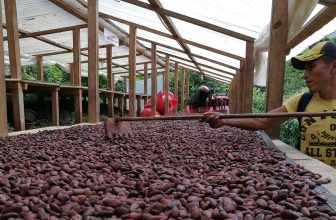
Visiting cacao farms can be transformative. You see the intense care that goes into growing each pod and the pride farmers feel when their beans are appreciated abroad. Many of them are eager to innovate and improve, but they need the right tools, education, and fair compensation to do so. Supporting ethical chocolate gives them that opportunity.
The Future of Ethical Chocolate
The momentum toward ethical chocolate production is growing, but challenges remain. Large-scale change takes time, and not all companies are willing to prioritize ethics over profit. However, as awareness spreads and more consumers demand transparency, the balance begins to shift.
Technology is also playing a role in the future of ethical chocolate. Blockchain tracking systems, for example, allow companies to trace beans from farm to bar, ensuring accountability throughout the supply chain. New processing techniques are helping small-scale producers maintain quality and consistency, while also reducing waste.
The next step is to make ethical chocolate the standard, not the exception. If major corporations commit to fair practices across all their product lines, the entire industry could transform , not just for those who can afford premium bars, but for everyone.
Appreciating Chocolate on a Deeper Level
Chocolate has always been more than just a dessert. It’s a symbol of comfort, celebration, and joy. But once you start to see the ethical side of chocolate production, that enjoyment becomes richer and more profound. Each bite becomes a tribute to the people and ecosystems that make it possible.
Ethical chocolate isn’t about guilt; it’s about gratitude. It’s about savoring a piece of chocolate with the awareness that it came from hard work, care, and respect for life. That awareness turns an ordinary indulgence into an extraordinary experience , one that honors both the flavor and the story behind it.
Conclusion
The ethical side of chocolate production you should know about is one that reveals both the beauty and the flaws of our global food system. It exposes how deeply connected we all are, from farmers in remote villages to consumers in bustling cities. The future of chocolate depends on fairness, sustainability, and empathy.
By supporting ethical chocolate, we’re not just buying better products; we’re investing in people, protecting the planet, and preserving one of the world’s most beloved treasures. The next time you enjoy a piece of chocolate, think of the journey it took to reach you , and let that awareness make it taste even sweeter.