The Birthplace of Chocolate: History You Never Knew

Chocolate’s story begins long before it became a sweet indulgence wrapped in shiny foil. Its origins are deeply rooted in ancient civilizations, in lush tropical regions where cacao trees flourished long before modern confectioners turned the beans into bars. The journey of chocolate from a bitter ceremonial drink to the creamy dessert we know today reveals not only the creativity of ancient peoples but also how deeply intertwined chocolate is with human culture, trade, and discovery.
The Ancient Roots of Cacao
Long before European explorers ever laid eyes on cacao, it was revered by the Olmecs, Mayans, and Aztecs. These early civilizations cultivated cacao trees in the rainforests of Mesoamerica, an area stretching from southern Mexico to parts of Central America. The Olmecs are believed to be the first to domesticate the cacao tree around 1500 BCE. They used it primarily for ritual purposes, grinding the beans into a paste mixed with water, chili, and spices to make a thick, frothy drink. It wasn’t sweet or milky but deeply earthy and bitter, a far cry from the chocolate we know today.
The Mayans expanded cacao’s significance. They saw it as a divine gift from the gods, particularly from their deity Kukulkan, who was believed to have bestowed cacao upon humanity. Cacao beans were crushed, mixed with water, cornmeal, and sometimes honey, creating a rich, energizing beverage used in religious ceremonies and royal feasts. It wasn’t just food, it was spiritual. For the Mayans, chocolate represented life itself, connecting heaven, earth, and the underworld in one sacred cup.
Cacao as Currency and Symbol of Power
As cacao spread through Mesoamerica, it became much more than a ceremonial drink, it became a form of wealth. The Aztecs, in particular, placed enormous value on cacao beans, using them as currency to buy goods and pay tribute to rulers. Historical records show that a single cacao bean could buy a tomato, ten could purchase a rabbit, and a hundred might buy a slave. To possess cacao meant to possess power.
For the Aztec elite, drinking chocolate was a mark of privilege. Commoners rarely had the chance to taste it, as cacao was reserved for warriors, priests, and nobility. Emperor Moctezuma II was famously said to have consumed up to fifty cups of chocolate a day, often flavored with spices and served cold. The drink was believed to provide strength and vitality, an almost magical elixir reserved for those of status and influence.
European Encounters with the Sacred Bean
The story of chocolate took a dramatic turn in the early 1500s when Spanish explorers arrived in the Americas. Hernán Cortés and his fellow conquistadors encountered cacao in the Aztec courts, where it was served in ornate golden cups. At first, they were unimpressed by the bitter, spicy flavor. But they quickly noticed how much value the Aztecs placed on the beans and recognized the potential of this mysterious crop.
When cacao was brought back to Spain, it began a quiet revolution in European kitchens. The Spanish experimented with the drink, adding sugar, vanilla, and cinnamon to temper its bitterness. The transformation was remarkable, what had been a sacred, ceremonial beverage became a luxurious indulgence for European aristocracy. Drinking chocolate spread through the Spanish court and, within decades, reached France, Italy, and England, each nation adding its own twist.
Chocolate as a Status Symbol in Europe
By the 17th century, chocolate had become synonymous with luxury. European royalty and nobility consumed it as both a drink and a statement of refinement. Special chocolate-serving sets were crafted from porcelain and silver, and exclusive “chocolate houses” sprang up in cities like London and Paris, where the elite gathered to sip the exotic beverage and discuss politics, art, and philosophy. The demand for cacao beans surged, and European powers soon looked to their colonies for large-scale production.
The shift from Mesoamerican forests to European-controlled plantations marked a profound change in chocolate’s story. It went from sacred to commercial, from divine offering to high-society indulgence. Yet this transformation also came with a darker side, the exploitation of labor, particularly enslaved Africans who worked on cacao plantations in the Caribbean and South America. Chocolate’s sweetness was built upon a bitter foundation of human suffering, a truth that still lingers in its legacy.
The Industrial Revolution and Chocolate for the Masses
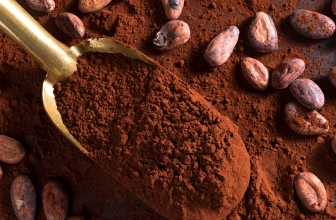
For centuries, chocolate remained a drink for the wealthy. But the Industrial Revolution changed everything. New technologies allowed for mass production, making chocolate more accessible and affordable. In 1828, Coenraad van Houten, a Dutch chemist, invented a hydraulic press that extracted cocoa butter from cacao beans, leaving behind a fine powder. This made it possible to create smoother, more consistent chocolate and laid the foundation for solid bars.
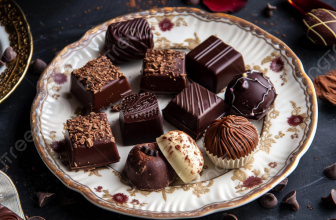
A few decades later, in 1847, British chocolatier Joseph Fry created the first solid chocolate bar by mixing cocoa powder, cocoa butter, and sugar. This innovation revolutionized the way people consumed chocolate. Soon after, Swiss chocolatiers took things further, Daniel Peter added milk to create milk chocolate, and Rodolphe Lindt developed the conching process, which gave chocolate its silky texture. Chocolate had officially evolved from a ceremonial drink to an everyday treat, enjoyed by millions around the world.
Cacao’s Geographic Origins
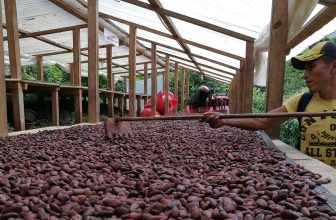
The birthplace of chocolate lies in the equatorial regions where cacao trees thrive under shade and humidity. Today, most cacao is grown in West Africa, particularly in Ivory Coast and Ghana, but its true origins trace back to the rainforests of Central and South America. Archaeological evidence from Honduras and Ecuador suggests that cacao was used over 5,000 years ago, predating even the Mayans and Aztecs. This discovery reshapes our understanding of chocolate’s beginnings, showing that its roots run deeper and wider than previously thought.
Ecuador, in particular, holds a special place in chocolate history. The Nacional variety of cacao, native to the region, produces beans with floral and fruity notes unlike any other. Known as “Arriba” cacao, it has become prized by chocolatiers for its unique flavor. Similarly, regions like Venezuela and Peru boast ancient cacao strains that tell their own stories through taste, reminders of chocolate’s ancient connection to the land and its people.
Ritual, Romance, and Revolution
Chocolate’s history is not just about trade and invention, it’s also about emotion and culture. In ancient times, it was used in marriage rituals and offerings to the gods. In Europe, it became associated with romance and seduction, often exchanged as a token of love. Its aphrodisiac reputation grew, fueled by its intoxicating aroma and the luxurious pleasure it offered. Even today, a box of chocolates remains one of the most universal symbols of affection.
But beyond romance, chocolate also played a role in revolution. In the 18th century, it fueled thinkers of the Enlightenment who met in chocolate houses to debate ideas that would change the world. Later, during the world wars, chocolate was included in soldiers’ rations, offering comfort and energy in the harshest conditions. It has served as both a spiritual offering and a source of strength, a testament to its enduring power across time.
Rediscovering Chocolate’s Origins in Modern Times
Today, as chocolate lovers, we’re witnessing a return to the roots. Artisanal makers and ethical brands are reconnecting with chocolate’s origins, sourcing directly from small farms and paying fair wages to cacao growers. Single-origin chocolate, which highlights beans from specific regions, allows us to taste the story of place, the soil, the climate, and the traditions of those who cultivate it.
In many ways, the modern appreciation of chocolate mirrors its ancient reverence. Just as the Mayans and Aztecs saw cacao as sacred, contemporary chocolate enthusiasts are beginning to see it as something more than candy. It’s a bridge between cultures, a product of nature and craftsmanship, and a reflection of centuries of human history.
The Hidden Legacy of Chocolate’s Birthplace
The true birthplace of chocolate isn’t just a single location, it’s an entire region bound by the equator, shaped by nature and civilization. From the ancient rainforests of Mesoamerica to the highlands of Ecuador, the story of chocolate is one of evolution, migration, and rediscovery. Every bar of chocolate we unwrap today carries within it traces of this long and complex journey, a flavor that began as a sacred drink, traveled across oceans, and became a global passion.
Cacao’s origins remind us that chocolate is more than sweetness. It’s a cultural artifact, a piece of living history that connects us to ancient peoples who saw magic in a humble bean. To appreciate chocolate fully is to honor those beginnings, to remember that each taste carries echoes of rituals performed under rainforest canopies thousands of years ago.
A Journey That Continues
Chocolate’s story is far from over. New archaeological discoveries continue to reshape our understanding of where it began and how it spread. Modern farmers are rediscovering lost cacao varieties, while chocolate makers experiment with fermentation, roasting, and blending techniques that bring out new dimensions of flavor. The journey that started with the Olmecs and Mayans continues today, evolving with every new generation of growers and makers.
As I explore different chocolates from around the world, I often find myself thinking about the ancient hands that first cracked open a cacao pod and tasted the seeds within. They could never have imagined how far their discovery would travel or how deeply it would shape human culture. The next time I savor a piece of rich, dark chocolate, I’m reminded that I’m tasting history, a flavor thousands of years in the making, born in the jungles of the Americas and shared with the entire world.
In the end, the birthplace of chocolate is not just about geography, it’s about humanity’s endless curiosity, creativity, and love for flavor. From sacred rituals to sweet indulgence, chocolate’s journey is one of transformation, carrying with it the stories of those who first believed that something so bitter could bring such joy.