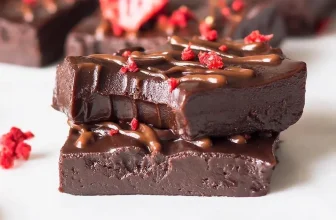
Chocolate Bread Pudding with a Modern Twist
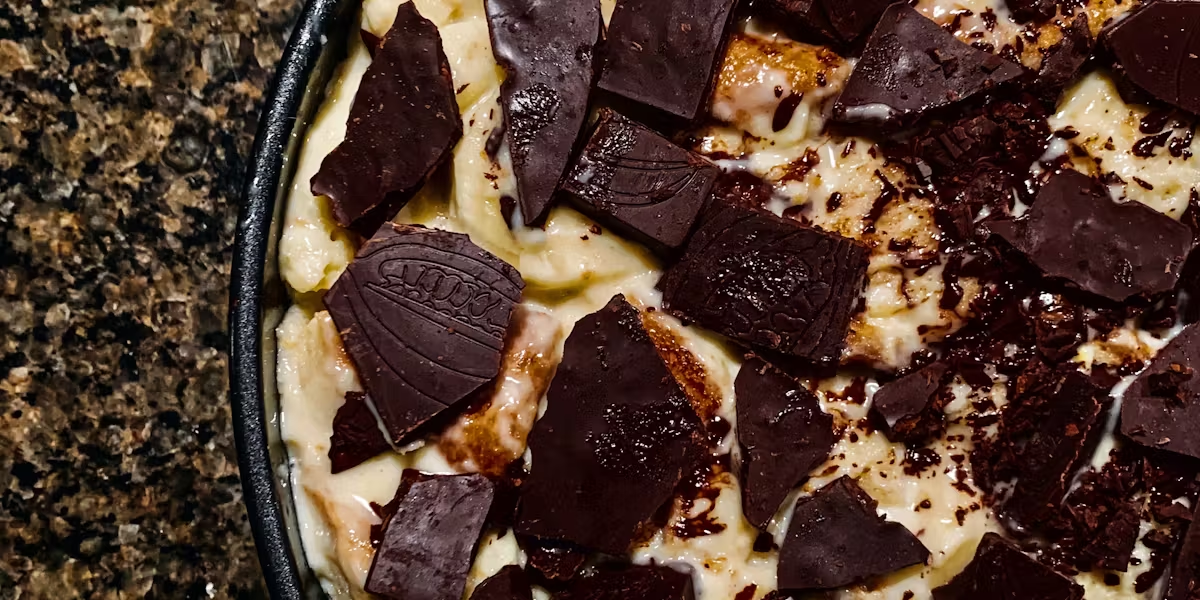
Chocolate bread pudding has always been one of those desserts that bridge the gap between homely comfort and indulgent delight. It takes something as simple as leftover bread and turns it into a dish that feels rich, elegant, and deeply satisfying. Over time, I’ve found new ways to breathe life into this classic recipe, giving it textures, flavors, and contrasts that make it feel both nostalgic and modern. My version of chocolate bread pudding is a blend of old charm and fresh imagination, with layers of flavor that surprise even those who think they’ve tasted it all before.
Reinventing a Classic Dessert
Bread pudding has been around for centuries, born from the clever idea of transforming stale bread into something delicious. The basic ingredients, bread, milk, eggs, and sugar, were staples in every kitchen. But once chocolate entered the picture, the dessert evolved from humble beginnings into a decadent treat. I’ve always been drawn to this transformation, the way chocolate adds depth and warmth while maintaining the pudding’s comforting spirit.
My goal was to take this tradition and elevate it. I wanted to create something that stayed true to the essence of bread pudding yet carried hints of sophistication, a dessert that feels both familiar and new. To do this, I started experimenting with flavors, textures, and presentation. What emerged is a dish that celebrates chocolate’s richness while introducing fresh, exciting elements that make it stand out.
The Perfect Bread Makes All the Difference
Bread might seem like the most basic ingredient, but it defines the entire texture of the pudding. Soft white bread will give a delicate, custard-like interior, while heartier options like brioche or challah add richness. For a more rustic twist, I sometimes use a mix of breads, half croissant for buttery flakiness and half sourdough for structure. The contrast in textures makes the pudding more interesting, with some pieces soaking deeply into the custard and others maintaining a gentle chew.
One important thing I’ve learned is that slightly stale bread works best. Fresh bread tends to dissolve too quickly in the custard, leading to a soggy pudding. Letting the bread sit out overnight gives it the firmness it needs to absorb the liquid without falling apart. This simple trick ensures each bite holds its form while still melting beautifully in the mouth.
Crafting the Chocolate Custard Base
The heart of chocolate bread pudding lies in its custard. It’s the element that binds everything together, transforming bread into a silky, luscious creation. I like to start with a mixture of milk and cream for a balance of lightness and richness. Into that, I whisk eggs, sugar, and a generous amount of cocoa powder. But the real magic comes from the melted chocolate.
Choosing the right chocolate is key. I prefer using a blend of dark and semi-sweet chocolate to create depth and balance. Dark chocolate brings intensity and a hint of bitterness, while semi-sweet adds smoothness and warmth. As the chocolate melts into the custard, it becomes glossy and aromatic, filling the kitchen with that unmistakable scent of cocoa that promises something extraordinary.
Before combining the custard with the bread, I pour it through a fine sieve to remove any lumps. This extra step ensures a silky texture. Then, as I pour the warm chocolate mixture over the bread cubes, I let it sit for several minutes. This resting time allows the custard to soak in evenly, ensuring no piece is left dry.
Adding a Modern Twist
To give this dessert a modern edge, I like to incorporate elements that contrast the traditional flavor profile. One of my favorite additions is espresso. A shot of strong coffee folded into the chocolate custard enhances the chocolate’s complexity, adding a faint bitterness that heightens the overall flavor.
Another creative touch is incorporating textures beyond the bread and custard. I often add crushed caramel shards or a sprinkle of sea salt on top before baking. The caramel melts slightly into the pudding, creating golden streaks of sweetness, while the salt accentuates the chocolate’s richness.
For a surprising element, I sometimes tuck in bits of dark chocolate truffle or a swirl of peanut butter before baking. These hidden pockets of flavor melt into the pudding, giving unexpected bursts of indulgence with each spoonful. It’s these little twists that make each batch feel new and exciting.
Baking for Perfection
The baking process is what transforms this dish from a simple mixture into a masterpiece. I always bake my pudding in a water bath to keep it moist and creamy. The gentle, even heat helps the custard set without curdling, giving the pudding its signature smooth texture. The edges become firm and slightly crisp while the center remains soft and luscious.
About halfway through baking, I check the top. If it starts browning too quickly, I loosely cover it with foil. Once it’s done, I let it rest for at least fifteen minutes before serving. This short wait allows the custard to firm up slightly while the flavors settle into harmony. The result is a pudding that’s perfectly balanced, neither too firm nor too runny, with every bite offering a bit of everything: soft, rich, and deeply chocolatey.
Presentation That Impresses
Chocolate bread pudding can easily stand on its own, but presentation can elevate it from simple comfort food to an elegant dessert. I like to serve it warm, with a light dusting of cocoa powder and a drizzle of chocolate ganache. The contrast between the crisp top and molten chocolate creates a sensory experience that draws people in immediately.
For special occasions, I sometimes add a scoop of vanilla bean ice cream or salted caramel gelato on top. The cold creaminess against the warm pudding creates a delightful contrast that feels indulgent without being heavy. A few fresh berries on the side or a sprig of mint adds color and freshness, completing the dish with a touch of refinement.
If serving in individual portions, I use small ramekins or glass jars. It makes the presentation look modern and allows each guest to enjoy their own perfectly portioned serving. The layers of chocolate, custard, and bread look beautiful through the glass, turning a simple dessert into a visual treat.
Exploring Flavor Variations
Once the foundation of the recipe is mastered, the possibilities for variation are endless. I love experimenting with different flavor pairings that complement chocolate’s natural depth. One of my favorites is adding orange zest to the custard. The bright citrus aroma cuts through the richness, creating a balanced flavor that feels both refreshing and luxurious.
Another variation involves swirling in a ribbon of raspberry sauce before baking. The tart fruit adds a lively contrast, making each bite more dynamic. Sometimes, I take a more indulgent route by mixing in chunks of dark chocolate and toasted hazelnuts. The combination of nutty crunch and molten chocolate turns the pudding into a textural wonder.
For those who enjoy a bit of adventure, adding a touch of chili powder or cayenne pepper can create a subtle warmth that lingers. The gentle spice brings out the chocolate’s complexity, giving it an unexpected yet satisfying kick. It’s a small twist that turns the familiar into something thrilling.
Making It Ahead and Serving Options
One of the best things about chocolate bread pudding is that it can be prepared in advance. I often assemble it the night before, letting the bread soak overnight in the custard. This not only saves time but also enhances the flavor. The longer soaking period allows the custard to fully penetrate the bread, creating a pudding that’s uniform and rich throughout.
Before baking, I take it out of the refrigerator and let it sit at room temperature for a while. This prevents uneven baking and ensures a smooth texture. Once baked, the pudding can be stored in the refrigerator for several days and reheated gently before serving. It tastes just as good, if not better, after resting because the flavors continue to develop over time.
For serving, I like to offer a few accompaniments. Warm chocolate sauce, crème anglaise, or a light caramel drizzle all complement the pudding beautifully. Each sauce adds a new layer of richness, allowing guests to customize their experience. A sprinkle of toasted nuts or crushed cookies on top adds the perfect finishing touch for texture and visual appeal.
Why This Dessert Feels Timeless
Chocolate bread pudding has a way of making people feel at home. Its scent alone, chocolate, butter, and toasted bread, creates comfort before a single bite is taken. But what makes it timeless is its ability to adapt. It welcomes creativity without losing its soul. No matter how many variations I make, the essence remains: warm, rich, and utterly satisfying.
The modern twists I’ve added don’t change the heart of the dessert; they simply enhance it. They make it relevant to today’s kitchens and palates while keeping its roots intact. This balance between tradition and innovation is what makes it so special. It’s a reminder that food, like memories, evolves but never loses its core meaning.
Conclusion
Chocolate Bread Pudding with a Modern Twist is more than a dessert, it’s a story of transformation. It takes the familiar and infuses it with creativity, blending comfort and sophistication in every bite. The layers of soft bread, silky custard, and rich chocolate capture the essence of indulgence while leaving room for personal expression. Whether enjoyed warm with a spoon of ice cream or served elegantly at a dinner table, this dessert proves that classics never fade, they just evolve into something even more extraordinary.