The Future of Cacao: Innovation Meets Tradition

Cacao has always been a symbol of both indulgence and heritage. It’s the root of chocolate, the ingredient that connects ancient rituals to modern craftsmanship, farmers to factories, and culture to commerce. Yet today, cacao stands at a crossroads. The pressures of climate change, ethical dilemmas, and market demands are forcing both producers and chocolatiers to rethink how cacao is grown, processed, and shared with the world. What makes this moment so remarkable is how innovation is blending with long-held traditions to shape a future that honors the past while pushing boundaries in taste, sustainability, and technology.
The Roots That Still Matter
Long before cacao became the foundation of chocolate, it was a sacred plant in ancient civilizations. The Mayans and Aztecs treated cacao as both a currency and a spiritual offering, believing it carried divine energy. This deep respect for cacao as more than a commodity still lingers in farming communities across Latin America, Africa, and Asia.
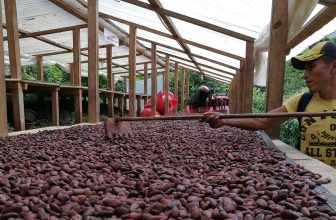
Many small-scale farmers continue to cultivate cacao using traditional techniques passed down for generations. They rely on shade-grown systems, hand-harvesting pods, and natural fermentation processes that preserve flavor complexity. These methods are not relics of the past, they are vital practices that protect ecosystems and maintain the rich diversity of cacao varieties.
In an age driven by technology, these ancestral techniques remind us that not all progress comes from innovation alone. Sometimes, preservation is the truest form of advancement.
The Challenge of Modern Cacao Production
Despite its romantic image, cacao farming is fraught with challenges. Climate change is altering rainfall patterns, increasing pests, and reducing yields in traditional growing regions. Farmers in West Africa, where most of the world’s cocoa is produced, are struggling to maintain productivity without resorting to harmful deforestation or chemical use.
On top of environmental stress, economic hardship remains a persistent problem. Many farmers earn less than a living wage, forcing younger generations to leave rural areas for better opportunities. This threatens the long-term stability of the cacao supply chain.
These issues have sparked a global awakening. Scientists, entrepreneurs, and even chocolatiers are realizing that the future of cacao depends on finding a balance between modern science and ancestral wisdom. Innovation can no longer focus solely on efficiency; it must serve sustainability and fairness too.
Breeding Resilient Cacao Varieties
One of the most promising developments in cacao research is the cultivation of climate-resilient varieties. Geneticists are studying thousands of cacao strains to identify traits that improve disease resistance, drought tolerance, and yield without sacrificing flavor.
In countries like Ecuador and Costa Rica, research institutes are working hand-in-hand with local farmers to propagate hybrid varieties that combine the strength of modern science with the distinctive taste of traditional cacao. These efforts ensure that future generations can continue producing high-quality beans despite environmental challenges.
However, genetic innovation comes with caution. Many farmers worry that hybridization could lead to the loss of heirloom varieties with unique flavor profiles. That’s why the best approach has been one of collaboration, scientists consulting with farmers to preserve native genetics while improving resilience. It’s a model where innovation respects the roots it grows from.
Technology in the Cocoa Supply Chain
Digital technology is transforming how cacao moves from farm to factory. Blockchain systems are being introduced to track each stage of production, providing transparent information about where beans come from and how farmers are compensated. This traceability helps consumers make ethical purchasing decisions and gives farmers recognition for their work.
Drones and satellite imagery are also being used to monitor plantations, identify crop diseases early, and assess the impact of weather conditions. Such tools help farmers make informed decisions about irrigation and fertilization, reducing waste and increasing productivity.
Mobile apps are empowering rural farmers with real-time data on market prices, weather forecasts, and sustainable farming techniques. What once required years of experience can now be learned through a smartphone, leveling the playing field for small-scale producers.
Technology, in this sense, is not replacing tradition, it’s amplifying it. It’s giving farmers who already know their land a new set of tools to protect it more effectively.
Sustainability as a Driving Force
In the past, chocolate brands were judged by taste alone. Today, sustainability has become equally important. Consumers are more aware than ever of the impact their choices have on people and the planet. This has pushed both large corporations and small bean-to-bar makers to commit to environmentally responsible sourcing.
Sustainable cacao farming promotes biodiversity by integrating cacao trees with native plants and fruit trees. This agroforestry approach restores soil health and provides habitats for wildlife. It also protects farmers against market volatility by diversifying their crops, reducing dependency on a single product.
Certification programs like Fair Trade and Rainforest Alliance have played a role in raising awareness, though their effectiveness varies. Many craft chocolate makers go beyond certification by building direct relationships with farmers, ensuring fair wages, and investing in community development projects.
The future of cacao lies in these partnerships, ones that foster respect, transparency, and shared prosperity.
The Rise of Fermentation Innovation
Fermentation may be one of the oldest parts of chocolate making, but it’s also one of the most exciting areas for innovation. The process, which transforms bitter cacao beans into flavorful chocolate precursors, is now being studied with scientific precision.
Microbiologists are identifying specific yeast and bacteria strains that enhance desirable flavor compounds. Some farmers are experimenting with controlled fermentation boxes that monitor temperature and humidity in real-time, ensuring consistency and quality.
Yet even with these advances, many of the world’s best beans still come from farmers who rely on instinct, turning and monitoring the beans by hand, guided by experience passed down through families. The future seems to lie not in replacing these methods but in refining them, blending science with tradition to unlock cacao’s fullest potential.
Chocolate Makers Driving Innovation
On the manufacturing side, artisans and brands are reimagining how chocolate is made and experienced. Small-batch producers are experimenting with sugar alternatives, non-dairy milk bases, and lower processing temperatures to preserve natural cocoa notes.
Meanwhile, high-tech equipment allows precise control over conching and tempering, leading to smoother textures and more complex flavors. Some companies are even exploring 3D-printed chocolate designs or experimenting with zero-waste production methods.
At the same time, craft chocolatiers continue to emphasize minimalism, few ingredients, pure origins, and transparency in labeling. This duality between technology and simplicity perfectly captures the spirit of the new chocolate era: one that honors authenticity while embracing innovation.
Cacao in Origin Countries: A New Economic Vision
Traditionally, cacao-producing countries exported raw beans while most of the value was captured by manufacturers abroad. That’s starting to change. In places like Ghana, the Dominican Republic, and the Philippines, local entrepreneurs are building their own bean-to-bar chocolate brands.
By processing and packaging cacao domestically, they retain a greater share of the profits and build national pride around their products. These origin-based brands are proving that exceptional chocolate doesn’t have to come from Europe or North America. It can come from the very regions where the cacao grows.
This shift not only empowers local economies but also reduces carbon emissions from global shipping. It’s a sustainable and equitable future model that blends tradition with forward-thinking business practices.
Education and Cultural Preservation
As innovation advances, education plays a vital role in ensuring that traditional knowledge isn’t lost. Many programs now teach younger generations both the cultural significance of cacao and modern agricultural techniques.
Workshops, festivals, and cooperatives bring together farmers, chocolatiers, and consumers to share stories and celebrate cacao’s legacy. These gatherings highlight that progress doesn’t mean abandoning the past, it means weaving old wisdom into new opportunities.
Cacao isn’t just a crop; it’s a cultural symbol that has shaped communities for centuries. Preserving that heritage while embracing science and technology is the key to sustaining its future.
The Role of Consumers in Shaping the Future
The direction of the cacao industry is not determined by producers alone. Consumers have immense power to influence how chocolate is sourced and produced. Every purchase sends a signal about what kind of future people want to support.
Choosing ethically sourced, sustainably made chocolate encourages companies to prioritize fair wages, environmental protection, and transparency. Consumers who appreciate single-origin bars or craft chocolates are helping shift the market away from quantity and toward quality.
Even small changes, like supporting local chocolatiers or learning about the story behind a bar, contribute to a larger movement. The future of cacao depends on this collective consciousness, one where taste and ethics coexist harmoniously.
Balancing Innovation and Identity
As new technologies reshape agriculture, it’s easy to forget that cacao is as much about identity as it is about innovation. The farmers, the land, and the communities form the heart of this industry.
Innovation should never erase the human element. Machines can analyze flavor molecules, but they can’t replicate the intuition of a farmer who knows the right moment to harvest or the craft of a chocolatier who senses when the conching is just perfect. The soul of cacao resides in these human touches.
The real challenge for the future will be maintaining this balance, embracing progress without losing the artistry and intimacy that make chocolate so special.
A Taste of Tomorrow
The next chapter of cacao will likely blend ancient and futuristic elements in unexpected ways. Imagine climate-resilient farms managed through AI-driven tools yet still guided by ancestral knowledge. Picture chocolates crafted with new fermentation techniques but rooted in flavors that honor regional traditions.
The marriage of innovation and tradition doesn’t dilute cacao’s identity, it enriches it. It ensures that chocolate continues to evolve without forgetting the soil, hands, and hearts that make it possible.
Conclusion
Cacao’s journey has always been one of transformation. From sacred seeds to global delicacy, it has adapted to every era without losing its essence. Now, as innovation meets tradition, cacao is poised to enter a future defined by sustainability, creativity, and respect.
I believe this balance between progress and preservation is what will keep cacao alive for generations to come. The farmers, scientists, and chocolatiers who work hand in hand are not just sustaining an industry, they’re nurturing a legacy.
The next time I savor a piece of chocolate, I’ll think not just of its flavor but of the intricate web of tradition and technology that made it possible. That connection, between past and future, between innovation and heritage, is what makes cacao’s story one of the most compelling tales in food history.