The Secret to Perfectly Glossy Chocolate Ganache

A glossy chocolate ganache can make any dessert look and taste luxurious. Whether poured over a cake, whipped into a filling, or used as a glaze for pastries, a perfect ganache has that smooth, mirror-like sheen that instantly elevates your presentation. I’ve spent countless hours experimenting with different ratios, chocolate types, and methods, and what I’ve discovered is that the secret to achieving that flawless gloss lies in precision, patience, and proper technique rather than complicated ingredients.
The beauty of ganache lies in its simplicity, just chocolate and cream, but the magic happens in how they come together. Getting it right turns an ordinary dessert into something spectacular, while getting it wrong results in dull, grainy, or oily mixtures.
Choosing the Right Chocolate for Gloss
The foundation of any great ganache starts with high-quality chocolate. The type and quality of chocolate you use have a direct impact on the texture, shine, and flavor. I’ve found that couverture chocolate, which contains a higher percentage of cocoa butter, produces the smoothest and glossiest results. The extra cocoa butter melts evenly and creates that reflective finish that defines a professional ganache.
Dark chocolate works best if you’re aiming for an intense flavor with depth and richness. A cocoa percentage between 60% and 70% strikes a perfect balance, rich enough for complexity but not too bitter. Milk chocolate adds creaminess and sweetness, ideal for lighter desserts, while white chocolate, being more delicate, requires careful handling to avoid burning or curdling.
One thing I never compromise on is chopping the chocolate into small, uniform pieces before melting. This ensures even melting and prevents lumps that could ruin the final texture.
Balancing the Ratio of Chocolate to Cream
Getting the right ratio of chocolate to cream is crucial. The proportion determines how thick or thin your ganache will be. For a pourable glaze that coats cakes beautifully, I use a 1:1 ratio of chocolate to cream by weight. For a thicker filling or truffle base, I increase the chocolate slightly to a 2:1 ratio.
If you want a lighter, whipped texture, start with the standard ratio and later beat it after chilling. The key is consistency and accuracy. Measuring by weight rather than volume guarantees that the balance remains exact every time.
I also use heavy cream with at least 35% fat content. Anything lighter can cause the ganache to separate or lose its sheen. Fat gives ganache that silky texture and deep, glossy finish, so don’t substitute with milk or half-and-half.
Heating the Cream Correctly
The process of heating the cream determines how well it combines with the chocolate. Overheating can scorch the cream or cause the chocolate to seize. I heat the cream just until bubbles start forming around the edges, never allowing it to boil. Once it’s steaming hot, I pour it over the chopped chocolate immediately.
The hot cream softens the chocolate gradually, allowing for smooth melting. I always let the mixture sit undisturbed for about two minutes before stirring. This resting period helps the chocolate melt evenly without introducing too much air, which can dull the shine.
Stirring for Smoothness and Shine
The way you mix the ganache makes all the difference between glossy and dull. After letting the cream sit on the chocolate, I begin stirring slowly from the center using a spatula or whisk. Gentle, circular motions draw in more chocolate gradually, creating a glossy emulsion.
The secret is to avoid stirring too vigorously or too fast. Overmixing can incorporate air bubbles, leading to a matte finish instead of that smooth, glassy surface. Once the mixture looks uniform and glossy, I stop stirring immediately.
For larger batches, using an immersion blender set at a low speed helps achieve a perfectly emulsified ganache. The key is maintaining a smooth, steady motion without whipping in excess air.
Temperature Control and Patience
Temperature plays an essential role in maintaining ganache’s glossy texture. If the mixture cools too quickly or is exposed to sudden temperature changes, it can lose its shine or split. I always make sure the environment is at room temperature and avoid placing freshly made ganache in the refrigerator right away.
If I need to cool it faster, I cover the surface with plastic wrap so that it touches the ganache directly. This prevents a skin from forming and locks in the sheen. Once it reaches the desired consistency, it can be used as a glaze, filling, or spread.
Enhancing Flavor and Texture
While the classic ganache is simply chocolate and cream, small additions can elevate both flavor and appearance. A pinch of salt deepens the chocolate’s richness and enhances its shine by balancing sweetness. Adding a teaspoon of corn syrup or glucose helps maintain the glossy surface, especially for cakes that will be displayed for longer periods.
For an aromatic twist, infusing the cream with vanilla beans, coffee, or orange zest before pouring it over the chocolate creates subtle layers of flavor. Once the cream is infused, I strain it before combining it with the chocolate to ensure a smooth texture.
Fixing Dull or Split Ganache
Even the most careful cooks encounter issues sometimes. If the ganache turns dull, grainy, or separates into oily layers, it can still be saved. I gently reheat it over a double boiler while stirring slowly, then add a splash of warm cream to help it emulsify again.
If it’s too thick, I warm a small amount of cream separately and stir it in gradually until it reaches the right consistency. The key is gentle heat and patience, rushing the process usually makes it worse.
For a split ganache that seems beyond saving, I’ve even used a hand blender to reincorporate the fat. Slowly blending at a low speed often brings it back together into a glossy, smooth finish.
Using Ganache for Different Desserts
Once you’ve mastered glossy ganache, its uses are endless. Pouring it warm over a cake gives that beautiful, mirror-like glaze that drips elegantly down the sides. Letting it cool slightly before spreading creates a rich, fudge-like layer perfect for brownies or tart fillings.
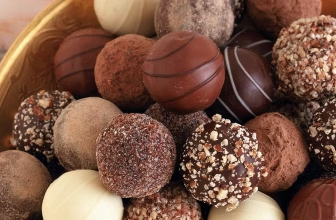
For truffles, I chill the ganache until firm, then roll it into balls and coat with cocoa powder or melted chocolate. Whipping chilled ganache produces a lighter texture, ideal for frosting cupcakes or layering between cakes.
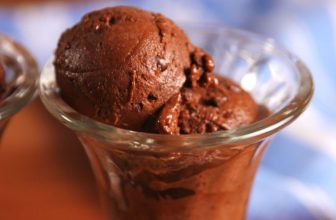
Ganache also makes a decadent base for mousse, simply fold in whipped plant-based cream or dairy cream for a lighter, airy texture that still carries that luxurious chocolate flavor.
The Role of Fat in Gloss and Stability
The smooth gloss of ganache depends heavily on fat distribution. Too little fat, and the mixture looks dull and grainy. Too much, and it becomes greasy. The ratio of cocoa butter in the chocolate and milk fat in the cream creates a delicate balance.
For an ultra-glossy effect, I sometimes add a small knob of unsalted butter at the end of mixing while the ganache is still warm. The butter adds shine and improves stability. It’s important to add it after emulsification so that it melts in smoothly without separating.
Avoiding Common Mistakes
The biggest mistake is overheating either ingredient. Boiling cream or melting chocolate directly on heat can scorch or seize it instantly. Another issue comes from combining ingredients at drastically different temperatures, cold chocolate meeting hot cream often leads to curdling.
Always use room-temperature chocolate and heat the cream just enough to steam. Stirring gently, maintaining balance, and avoiding shortcuts all lead to a flawless finish.
If you’re working in a humid environment, humidity can affect how glossy your ganache appears. Keeping your kitchen cool and dry makes a noticeable difference in the final shine.
Adding a Professional Touch
Professional chocolatiers often use a technique called “tabling” for ultra-glossy finishes. This involves spreading part of the ganache on a marble surface, cooling it slightly, and then folding it back into the rest. This process stabilizes the cocoa butter crystals, giving the ganache a mirror-like finish.
While it requires some practice, even a small attempt at tabling can noticeably enhance the sheen. For home bakers, simply controlling temperature carefully and stirring correctly achieves excellent results without special equipment.
Another professional trick is to strain the ganache through a fine sieve right after mixing. This removes any unmelted bits and ensures an extra-smooth surface, perfect for glazing cakes or pastries.
Storing Ganache Without Losing Its Gloss
Proper storage keeps the ganache glossy for days. I always cover it with plastic wrap pressed directly against the surface before refrigerating. This prevents moisture loss and protects against dulling. When reheating, gentle warmth is essential, too much heat will make it split.
To bring it back to a pourable state, I place the bowl over simmering water and stir slowly until it regains its fluid texture and shine. If you plan to use it as a frosting or filling, letting it soften at room temperature works best.
Pairing Ganache with Flavors and Textures
A glossy chocolate ganache pairs beautifully with a range of desserts. I love drizzling it over a sponge cake layered with raspberries or spreading it between layers of chocolate torte. It also works wonderfully as a dip for fruits like strawberries or figs.
For contrast, I often pair it with crunchy elements, hazelnut praline, biscuit crumbs, or toasted almonds. The smoothness of the ganache and the crunch of the topping create an irresistible bite.
Salted caramel, espresso, or even chili-infused ganache can bring a creative twist to classic desserts. A dash of liqueur such as Grand Marnier or Kahlúa can also elevate its richness, giving it a sophisticated depth.
The Science Behind the Gloss
The glossy finish of ganache is all about emulsification, the even distribution of fat and water into a stable mixture. When done correctly, the cocoa butter, milk fat, and water molecules bond seamlessly, reflecting light evenly across the surface. That’s what gives ganache its mirror-like shine.
Temperature control ensures the fats stay emulsified rather than separating. The smoother the emulsion, the more light it reflects, resulting in that stunning glossy appearance.
Making It Your Own
Once you master the technique, ganache becomes an open canvas for creativity. You can adjust the ratios to suit your needs, thinner for glazes, thicker for fillings, or whipped for frostings. Experimenting with different chocolates, plant-based creams, or flavor infusions keeps the process exciting.
I’ve even made vegan ganache using coconut cream instead of dairy cream, and it produced an equally glossy result with a hint of tropical flavor. The same principles apply, good chocolate, controlled heat, and patience make all the difference.
Conclusion
The secret to perfectly glossy chocolate ganache isn’t about expensive ingredients or advanced tools. It’s about precision, patience, and respect for the process. Every step, from choosing quality chocolate to gently stirring and controlling temperature, plays a role in that final sheen.
Once you’ve mastered it, a glossy ganache can transform even the simplest dessert into something spectacular. The way it catches the light, the way it melts on the tongue, and the depth of its flavor make it unforgettable. Each batch teaches you more about balance and timing, and with practice, achieving that flawless finish becomes second nature.
Perfect ganache isn’t just about looks, it’s a reflection of skill, care, and an appreciation for the artistry of chocolate.