The Forgotten Cocoa Plantations of the Caribbean

The Caribbean has long been painted as a paradise of turquoise waters, white sands, and swaying palms. Yet behind this postcard beauty lies a history that once helped shape the very taste of chocolate as we know it. Many people associate fine cocoa with South America or West Africa, but the Caribbean was once a thriving hub of cocoa cultivation. Its plantations, once brimming with life and labor, played a defining role in the global cocoa trade before being slowly erased from the modern narrative.
As I explored the stories and remnants of these forgotten cocoa plantations, I began to see how their legacy still whispers through the soil, the old trees, and the communities that have kept their traditions alive. The Caribbean may no longer be the world’s top cocoa producer, but its contribution to chocolate’s heritage remains deep and enduring.
Cocoa’s Arrival in the Caribbean
Cocoa arrived in the Caribbean during the early colonial period, carried by Spanish explorers and settlers from Mesoamerica. They brought the seeds to islands like Trinidad, Jamaica, and the Dominican Republic, planting them in fertile volcanic soil and lush tropical climates that mirrored cocoa’s native environment. By the 17th and 18th centuries, cocoa had become a major export crop across the region, often grown alongside sugarcane and coffee.
European powers recognized cocoa’s value, using Caribbean plantations to feed the growing demand for chocolate back home. In the days before industrialization, chocolate was a luxury good consumed by the elite. The Caribbean’s role was not just agricultural but also cultural, it became the crossroads where indigenous cultivation practices met European trade ambitions.
What fascinates me most about this period is how quickly cocoa shaped the islands’ identities. Plantations flourished, small villages grew around them, and entire economies were built on the crop’s success. Yet, as with sugar, the story of cocoa in the Caribbean was deeply tied to colonization and the labor of enslaved Africans, who worked the fields under brutal conditions.
The Golden Age of Caribbean Cocoa
By the 18th century, cocoa from the Caribbean was highly prized in Europe. Trinidad’s Trinitario variety, for instance, became famous for its balance of flavor and aroma, the result of a natural hybridization between Criollo and Forastero beans after a hurricane devastated the island’s original crops. This hybrid would later be recognized as one of the finest types of cocoa in the world.
During this golden age, islands like Grenada, Dominica, and St. Lucia also developed thriving cocoa industries. The rich soil and consistent rainfall made them ideal for cultivation. In many places, cocoa was more than a crop, it was a cultural backbone. Families passed down growing techniques through generations, and communities formed around the rhythms of planting, harvesting, and fermenting.
Walking through old estates today, one can still find traces of that past: weathered stone fermentation houses, overgrown drying racks, and century-old trees that continue to bear pods. The landscape itself feels like a museum, preserving the memory of an era when cocoa was the heartbeat of the Caribbean economy.
Decline and Disappearance
The decline of Caribbean cocoa didn’t happen overnight. As industrialization changed the global economy, larger and cheaper cocoa-producing regions began to emerge, particularly in West Africa. The economies of scale, colonial investment, and vast labor forces available there made it difficult for the smaller Caribbean plantations to compete.
Additionally, many Caribbean islands turned their focus toward other industries, such as tourism, rum, and bananas, which promised faster returns. The cocoa fields were abandoned, swallowed by vegetation and time. Natural disasters like hurricanes, earthquakes, and plant diseases further hastened the decline, leaving only scattered pockets of production.
By the 20th century, the once-bustling cocoa estates of the Caribbean had fallen into obscurity. Entire communities that had depended on the crop for generations lost their livelihoods. Yet, even as global attention shifted away, smallholders and traditional farmers kept planting and harvesting in remote corners, preserving what remained of their ancestors’ work.
The Legacy That Endures
Despite its decline, the Caribbean’s cocoa heritage never truly vanished. What remains today is a quiet but powerful revival movement, an effort to reclaim and restore the legacy of fine Caribbean cocoa. Islands like Grenada, St. Vincent, and the Dominican Republic have seen a resurgence in small-scale cocoa farming, often led by cooperatives and ethical chocolate makers who value sustainability and quality over mass production.
These farmers are not just cultivating cocoa; they are cultivating identity. They are reclaiming a heritage that was nearly lost to history. The focus has shifted from export-driven plantation systems to community-based models that prioritize fair pay, organic methods, and environmental care.
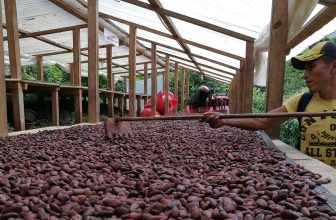
Walking through a modern Caribbean cocoa farm, I can see how innovation and tradition have intertwined. The fermentation boxes might be new, the solar dryers modern, but the care with which each pod is handled remains the same as it was centuries ago. The scent of fermenting beans still fills the air, and the pride of the farmers reflects a deep respect for the craft.
The Taste of Caribbean Terroir
Cocoa from the Caribbean has a distinct character, one that reflects the diversity of the islands themselves. Grenadian cocoa is often bold and spicy, with hints of nutmeg and cinnamon that echo the island’s famed spice trade. Trinidadian cocoa is complex, floral, and smooth, qualities that make Trinitario beans so sought after. Dominican cocoa tends to be rich and fruity, sometimes with notes of red berries or wine.
This variety of flavor profiles stems from the unique terroir of each island, the combination of soil, climate, and cultivation methods that give cocoa its identity. It’s no wonder that bean-to-bar chocolate makers around the world are once again turning their attention to Caribbean origins. They recognize that these islands produce cocoa not just of quality but of story. Each bar tells a tale of resilience, adaptation, and cultural depth.
Rediscovering Forgotten Estates
Across the Caribbean, efforts are underway to rediscover and restore old cocoa estates. In Trinidad, organizations have mapped historic plantations, reviving heirloom varieties. In Grenada, the Grenada Chocolate Company pioneered the concept of tree-to-bar production, processing beans locally instead of exporting them. This movement has inspired others across the region to do the same.
In Jamaica, small producers have begun to experiment with single-estate chocolates, highlighting the individuality of their beans. Some are even opening their estates to visitors, merging cocoa production with tourism. Walking through these places, one gets a sense that history is not just being preserved, it’s being rewritten.
The revival of Caribbean cocoa is not just an economic effort but a cultural one. It reconnects the present generation with its agricultural roots and gives new life to communities that had long been forgotten by global trade networks.
Challenges and Hopes for the Future
The road to restoring Caribbean cocoa to its former glory is not without obstacles. Climate change poses serious threats, with erratic rainfall and rising temperatures affecting yields. Younger generations, drawn to urban life or tourism jobs, often show less interest in farming. Additionally, the high costs of maintaining quality standards can make small-scale production difficult to sustain.
Yet the renewed global appreciation for fine and ethical chocolate gives me hope. Consumers today want to know where their chocolate comes from and how it is made. They are willing to pay for transparency, sustainability, and craftsmanship, all qualities that define the Caribbean approach to cocoa.
New partnerships between international chocolate makers and local farmers are also emerging, ensuring fairer trade and better prices. By blending modern marketing with traditional cultivation, the Caribbean can carve out a distinct identity in the premium chocolate market.
Preserving the Cultural Spirit
Beyond economics and flavor, what makes Caribbean cocoa so special is its spirit. The songs sung during harvest, the stories told under shade trees, and the rituals of drying and roasting, all these are part of a living culture. Even as plantations were abandoned, these cultural memories endured.
In many villages, elders still remember the days of working the estates, of carrying baskets of pods and watching the beans ferment in the sun. Their knowledge, passed down orally, has become the bridge between past and future. The renewed interest in cocoa offers a chance to honor these voices, to ensure that their contributions are not erased from the global story of chocolate.
Conclusion
The forgotten cocoa plantations of the Caribbean are not as forgotten as they once seemed. Beneath the overgrown vines and crumbling stone walls lies a history of creativity, endurance, and transformation. The region may no longer dominate the world’s cocoa trade, but it continues to influence the way we think about chocolate, its origins, its ethics, and its soul.
As I reflect on my journey through these old estates, I realize that Caribbean cocoa is not just about the past. It’s about rediscovery. It’s about honoring what was lost while building something new. The islands that once fed the world’s passion for chocolate are rising again, their stories carried in every bean, every bar, and every bite that reminds us of where it all began.