How Craft Chocolate Is Redefining the Industry
Chocolate has always been more than just a sweet indulgence. It represents culture, emotion, and craftsmanship. Yet over the past few decades, a quiet revolution has been reshaping how we think about chocolate. This movement, known as craft chocolate, is challenging the norms of mass production and redefining what true quality means in the world of cocoa. It’s a story of rediscovery, of flavor, ethics, and artistry, and it’s changing the industry from the ground up.
The Birth of Craft Chocolate
For much of the twentieth century, chocolate was dominated by large industrial producers. These companies focused on consistency, affordability, and mass appeal. The result was uniform chocolate that often sacrificed flavor and origin transparency for efficiency. Then came a handful of passionate makers who decided to return to chocolate’s roots.
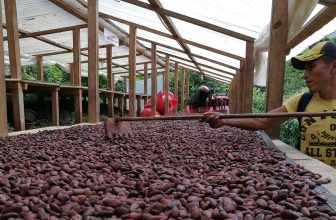
Craft chocolate emerged from this desire to restore authenticity. Small-scale chocolatiers began sourcing their own beans, controlling the entire process from bean to bar. Unlike industrial manufacturers, they paid close attention to fermentation, roasting, and grinding, experimenting with methods that highlight the natural character of each cocoa origin.
This shift was inspired by movements in other industries, like specialty coffee and craft beer. Just as coffee enthusiasts began to appreciate single-origin beans and micro-roasters, chocolate lovers started seeking more than the generic sweetness of supermarket brands. They wanted complexity, transparency, and personality.
Bean-to-Bar: The Heart of Craft Chocolate
At the center of the craft chocolate revolution is the bean-to-bar philosophy. It’s a commitment to handling every stage of production in-house, allowing makers to maintain complete control over flavor development. This process starts with sourcing high-quality beans, often directly from smallholder farmers or cooperatives that focus on sustainable and ethical farming practices.
Instead of blending beans from multiple countries, many craft chocolate makers highlight single-origin varieties. This approach allows each bar to express the unique terroir, the influence of soil, climate, and geography, of its source region. A bar made with beans from Madagascar might reveal bright, citrusy notes, while one from Ecuador could be rich with floral and nutty undertones.
The beauty of bean-to-bar chocolate lies in its individuality. No two batches are exactly the same, and that unpredictability is part of the charm. It brings a sense of intimacy between maker and consumer, as if each bar carries a story waiting to be told.
Ethical Sourcing and Transparency
One of the most powerful impacts of the craft chocolate movement is its focus on ethics and transparency. For decades, the cocoa industry has struggled with issues like child labor, unfair wages, and environmental degradation. Large corporations often source beans through complex supply chains, making it difficult to trace where the cocoa truly comes from.
Craft chocolate makers are working to change that narrative. Many build direct relationships with farmers, ensuring fair compensation and mutual respect. These direct-trade relationships eliminate middlemen, allowing more profit to reach the growers themselves.
Transparency also extends to labeling. Craft chocolate bars often display details such as the country of origin, the percentage of cocoa, and even the specific farm or cooperative. This level of openness empowers consumers to make informed choices about what they’re supporting with each purchase.
Rediscovering the Art of Flavor
Industrial chocolate tends to aim for uniformity, a predictable taste that appeals to the widest audience possible. Craft chocolate, on the other hand, celebrates diversity. Makers treat cocoa as an ingredient worthy of exploration, coaxing out flavors that range from fruity and floral to earthy and spicy.
The secret lies in careful attention to every stage of production. Roasting temperatures are fine-tuned to bring out specific flavor notes. Grinding and conching are done in smaller batches, allowing for adjustments based on texture and taste. Even the decision to include or exclude additives like vanilla and lecithin affects the final profile.
For many enthusiasts, tasting craft chocolate becomes a sensory adventure. A single square can reveal layers of flavor that evolve on the tongue, offering an experience closer to wine or coffee tasting than candy consumption.
The Role of Sustainability
Sustainability is not just a buzzword in the craft chocolate world, it’s a guiding principle. Small producers often lead the way in environmentally conscious practices, from sourcing organic beans to minimizing waste and reducing carbon footprints.
Many makers also champion biodiversity by working with farmers who cultivate rare or heirloom cocoa varieties. These genetic treasures are at risk of disappearing due to industrial farming’s preference for high-yield crops. By supporting their cultivation, the craft chocolate community helps preserve both cultural heritage and ecological diversity.
Packaging is another area where sustainability shines. Recycled or biodegradable materials are common, reflecting the industry’s commitment to reducing environmental impact. It’s a holistic approach that connects ethical sourcing, ecological responsibility, and consumer awareness.
Education and Community
Craft chocolate isn’t just about producing a better bar, it’s about sharing knowledge and building community. Makers often host workshops, tastings, and factory tours to educate the public about cocoa origins and processing methods. These experiences invite people to appreciate chocolate not as a sugary treat but as a product of labor, land, and love.
Through social media and festivals, craft chocolatiers also connect directly with consumers and fellow makers. This sense of community fosters collaboration rather than competition, encouraging knowledge exchange and mutual support. It’s common to see chocolatiers sharing tips, swapping beans, or celebrating each other’s successes.
This openness helps demystify chocolate production, turning it into an inclusive experience. The more consumers understand the process, the more they value the craft, and the people behind it.
Small Scale, Big Impact
Although craft chocolate represents only a small fraction of the global market, its influence is undeniable. Large corporations have started to take notice, introducing premium lines inspired by the bean-to-bar philosophy. While these efforts can sometimes feel like marketing strategies, they also signal that consumer preferences are shifting toward higher quality and transparency.
Craft chocolate’s growth has also created new opportunities in origin countries. Local entrepreneurs are now establishing their own bean-to-bar operations, allowing producing nations to retain more economic value rather than exporting raw beans. This movement, known as origin chocolate, is redefining the global balance of power in the industry.
In places like Ghana, Ecuador, and the Philippines, local makers are gaining international recognition for their skill and creativity. Their success challenges the notion that the best chocolate must come from Europe or North America.
Challenges Facing Craft Chocolate Makers
Despite its progress, the craft chocolate movement faces several hurdles. Sourcing high-quality beans can be expensive, and transportation costs add to the burden. Many makers also struggle with scaling up while maintaining the artisanal integrity that defines their products.
Consumer education remains another challenge. Not everyone understands why a craft chocolate bar might cost several times more than a supermarket brand. Explaining the value of ethical sourcing, small-batch production, and superior ingredients requires patience and persistence.
Additionally, climate change poses a growing threat to cocoa production. Rising temperatures and shifting weather patterns affect crop yields, making sustainable farming even more critical. Craft chocolate makers must adapt by supporting farmers who practice climate-resilient agriculture.
The Future of Craft Chocolate
The future of craft chocolate looks promising, driven by a new generation of makers and consumers who care deeply about quality and ethics. Innovation continues to flourish, with experiments in fermentation techniques, sugar alternatives, and unique flavor pairings.
Some chocolatiers are pushing boundaries by incorporating local ingredients, think sea salt harvested from nearby coasts, native spices, or tropical fruits. These collaborations reflect not only creativity but also a respect for regional identity and sustainability.
Technology is also playing a role, particularly in traceability. Digital tools like blockchain are helping small producers prove their commitment to ethical practices, giving consumers confidence in their purchases.
How Craft Chocolate Changes the Way We Experience Chocolate
Craft chocolate encourages a slower, more mindful way of enjoying sweets. Instead of devouring a bar absentmindedly, the experience becomes a ritual. You might notice the aroma before the taste, feel the snap of tempered chocolate, and let the flavors unfold gradually.
It transforms chocolate from a simple pleasure into a meaningful connection, to farmers, makers, and the earth itself. The awareness that each bar represents months of labor, precise technique, and deep respect for nature changes the way you savor it.
For me, craft chocolate embodies a balance between indulgence and consciousness. It satisfies not only the palate but also the mind and heart. Each bar tells a story of resilience and artistry, linking me to people across the world who share the same passion for this ancient ingredient.
Conclusion
Craft chocolate is more than a trend, it’s a renaissance. It reminds us that chocolate is not just a product but a journey, one that begins with the soil and ends with a smile. Through transparency, creativity, and sustainability, this movement is redefining what the industry stands for and challenging how we value the things we eat.
The rise of craft chocolate has shown that quality doesn’t have to mean quantity, and that true flavor comes from authenticity, not additives. It celebrates diversity, in beans, in makers, and in ideas, and reconnects us to the essence of chocolate as a cultural and emotional experience.
Each time I taste a bar made by a passionate artisan, I’m reminded that the chocolate revolution isn’t happening in boardrooms or factories. It’s unfolding in small workshops, in the hands of dedicated individuals who dare to care about every detail. And that care is what makes craft chocolate not just delicious, but transformative.