From Jungle to Factory: The Modern Cocoa Supply Chain
The journey of chocolate begins deep within lush tropical jungles, where the cocoa tree thrives under the warmth of the equatorial sun. This journey, from humble pods to the refined bars that fill store shelves, reveals a fascinating chain of people, places, and processes. The modern cocoa supply chain is more than just an industrial system; it is a living story of culture, labor, and transformation that ties together remote farmers, international traders, and global brands.
The Origins of Cocoa in the Tropics
Cocoa trees, scientifically known as Theobroma cacao, are delicate plants that grow best in humid, shaded environments found within twenty degrees of the equator. The regions of West Africa, Latin America, and Southeast Asia dominate production, with countries like Ivory Coast, Ghana, Indonesia, and Brazil contributing the largest shares. Each region brings its own character to the beans, shaped by soil composition, climate, and farming traditions.
In the dense forests of Ghana and Ivory Coast, smallholder farmers cultivate most of the world’s cocoa. Their farms, often no larger than a few acres, are rich ecosystems where cocoa trees grow alongside bananas, cassava, and timber plants. These farmers rely on generational knowledge, passed down through families, to nurture their trees and harvest the pods at the perfect moment.
The Art of Harvesting and Fermentation
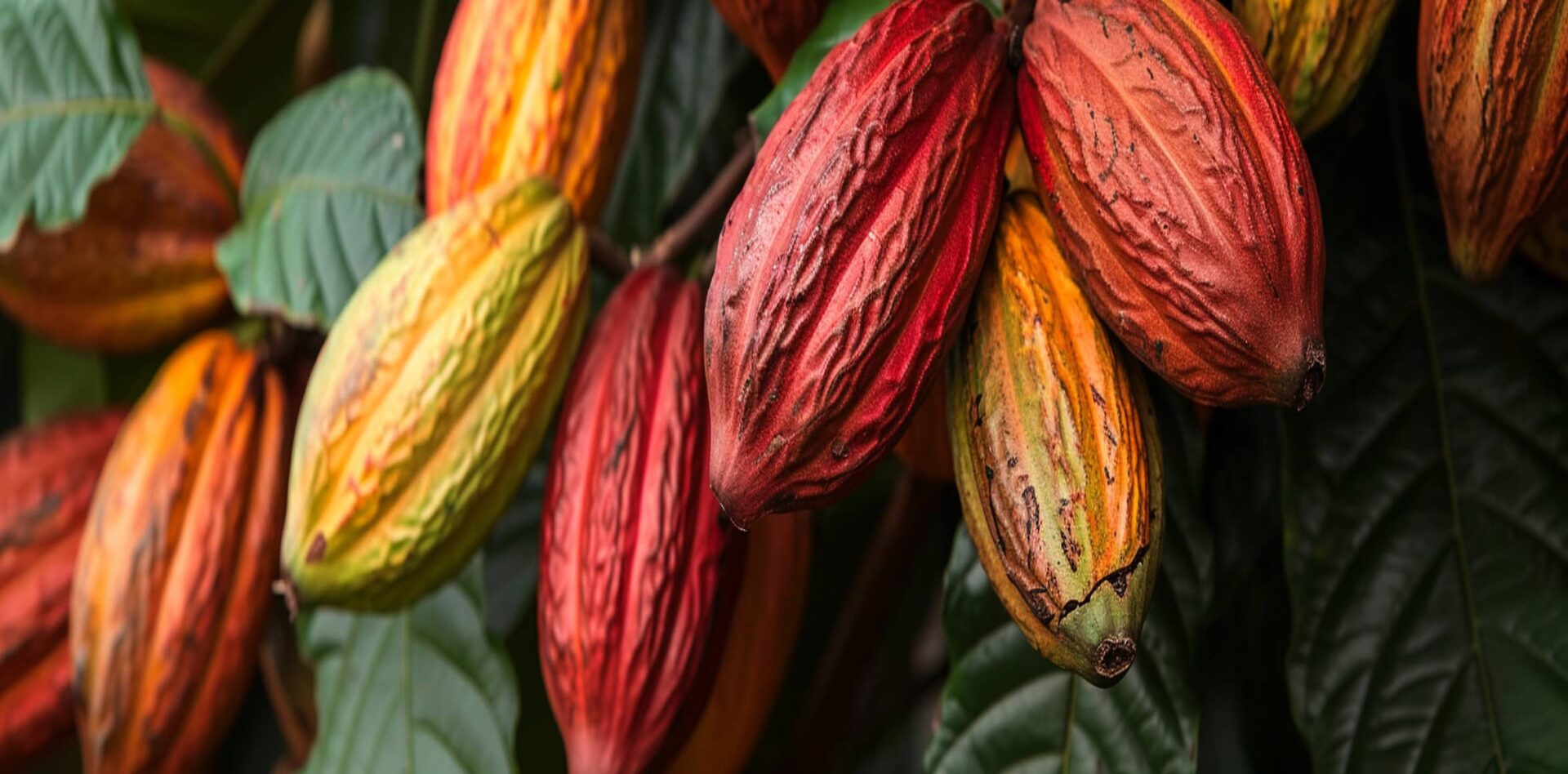
Harvesting cocoa is labor-intensive and largely done by hand. Farmers use machetes to cut down the ripe pods, which range in color from bright yellow to deep crimson. Each pod holds around thirty to fifty cocoa beans encased in a sweet, white pulp. Once opened, the beans are scooped out and gathered in heaps or baskets.
Fermentation is the next vital step, a natural process that transforms the beans’ flavor. Farmers typically place the beans in wooden boxes or under banana leaves for several days, allowing microbes to work their magic. The fermentation period, usually lasting between five and seven days, breaks down sugars and develops the precursors to the chocolate aroma we all recognize. This stage requires precision, too short, and the chocolate tastes flat; too long, and it turns bitter.
Drying Under the Sun
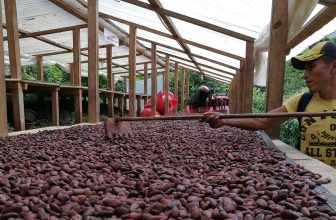
After fermentation, the beans are spread out to dry under the sun, often on large mats or concrete platforms. This step reduces the moisture content from about 60% to 7%, preserving the beans for long-term storage and transport. Farmers must turn the beans frequently to ensure even drying and protect them from mold.
The drying process is also a communal activity in many cocoa-growing regions. Families work together, chatting and sharing meals under the open sky. For many rural communities, this part of the process represents a rhythm of life tied to the land and the seasons.
Sorting, Bagging, and Transport
Once fully dried, the beans are sorted to remove debris or damaged pieces before being packed into jute sacks. Each sack typically weighs around sixty kilograms and is labeled with the farm or cooperative name. From here, the beans travel by truck or motorbike to local collection centers, where traders or cooperatives inspect and purchase them.
At this stage, middlemen play an important role. They ensure the beans reach larger storage facilities or ports where exporters take over. The journey from farm to port may involve long distances over rough terrain, especially in developing countries where infrastructure is limited. Yet, this system has adapted over time, with cooperatives helping to streamline operations and secure fairer prices for farmers.
Export and Global Trade
The global cocoa trade is a complex network linking producing countries to major chocolate manufacturing hubs like Switzerland, Belgium, and the United States. Cocoa beans are exported primarily by sea, packed in containers that protect them from humidity and pests.
At the ports, international buyers, often large confectionery companies or commodity traders, inspect the beans for quality, aroma, and consistency. Pricing can fluctuate dramatically due to weather patterns, political events, or shifts in global demand. Farmers rarely see the full financial benefit of these changes, which is why initiatives promoting transparency and fair trade have become increasingly vital.
Arrival at Processing Plants
Once the beans reach their destination, they enter a new phase of transformation. Processing begins with cleaning and roasting, steps that enhance flavor and remove any remaining impurities. Roasting temperatures and durations vary depending on the bean type and desired flavor profile.
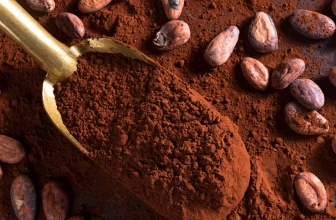
After roasting, the beans are cracked and winnowed to remove their shells, leaving behind the nibs, the purest form of cocoa. These nibs are ground into a thick, dark paste called cocoa liquor, which serves as the foundation of all chocolate products. Depending on the next stage of production, the liquor can be further processed into cocoa butter and cocoa powder through pressing and separation.
The Role of Technology in the Modern Supply Chain
In recent decades, technology has reshaped nearly every step of the cocoa supply chain. From digital traceability tools that track beans from farm to bar, to automated roasting systems that optimize flavor, innovation continues to improve efficiency and accountability.
Blockchain technology, for instance, allows companies to document the exact origin of their cocoa beans, ensuring ethical sourcing and transparency for consumers. Farmers can use mobile apps to check weather forecasts, track crop health, or receive digital payments, reducing the risks of middlemen exploitation.
Sustainability programs are also gaining traction, promoting eco-friendly farming practices that protect biodiversity and soil health. Shade-grown cocoa, agroforestry systems, and organic certification are becoming part of the conversation about the industry’s future.
The Invisible Hands: Farmers and Cooperatives
Despite technological progress, the human element remains the heart of the cocoa supply chain. Millions of farmers depend on cocoa for their livelihoods, yet many face challenges such as low incomes, climate stress, and limited access to resources. Cooperatives have become essential in bridging this gap, offering farmers collective bargaining power and access to training programs.
These organizations help farmers improve yields through better pruning, pest management, and soil enrichment techniques. They also provide education on financial management and gender equality, helping to empower communities as a whole.
The Environmental Impact
Cocoa farming can either harm or heal the environment, depending on how it’s managed. Unsustainable practices like deforestation and chemical overuse have led to soil depletion and habitat loss in some regions. However, initiatives focusing on reforestation and agroecology show how the industry can move toward a more sustainable model.
Farmers who plant shade trees alongside cocoa not only create habitats for wildlife but also protect the soil and improve water retention. This balance between productivity and preservation is vital if the industry is to survive the growing pressures of climate change.
From Bean to Chocolate Bar
After processing, the cocoa liquor, butter, and powder move to chocolate manufacturing plants, where they are mixed with sugar, milk, and other ingredients. Conching, a process of continuous mixing and aeration, refines texture and flavor. Tempering then follows, ensuring the final product achieves that glossy finish and satisfying snap that chocolate lovers adore.
This stage is where artistry meets science. Chocolatiers carefully balance flavors from different origins to create signature profiles, some prefer bold, bitter notes from Ecuadorian beans, while others highlight the fruity brightness of Madagascan cocoa. The journey from raw bean to elegant confection is both meticulous and magical.
The Challenges of Traceability
While consumers today are more aware of where their chocolate comes from, full traceability remains difficult. The supply chain involves multiple layers of intermediaries, making it challenging to track each batch from farm to factory. This lack of transparency can obscure issues such as child labor or unfair wages in certain regions.
Efforts are growing to change this reality. Some premium chocolate brands now work directly with farmers, bypassing middlemen and ensuring higher earnings at the source. These direct-trade relationships not only produce higher-quality cocoa but also foster mutual respect and long-term partnerships.
The Economic Ripple Effect
The cocoa trade has a massive economic impact on producing countries. In Ghana and Ivory Coast, for example, cocoa accounts for a large portion of export revenue and supports millions of families. Yet, the global imbalance between producers and consumers means that profits are often concentrated in wealthier nations.
To address this, new business models emphasize local processing within producing countries. By turning beans into chocolate domestically, these nations can capture more value and create jobs in manufacturing, packaging, and marketing. This shift toward local entrepreneurship could redefine the future of the industry.
Ethical Consumption and the Role of Consumers
Consumers play a powerful role in shaping the modern cocoa supply chain. The demand for ethically sourced, high-quality chocolate has encouraged brands to adopt fair trade certification, transparent sourcing, and sustainable farming partnerships. By choosing products that align with these principles, buyers directly influence how chocolate is made and who benefits from it.
Small actions, such as checking for certification labels or supporting local artisanal chocolatiers, contribute to a larger global shift toward fairness and sustainability. This awareness is reshaping the chocolate industry from the ground up.
A Shared Responsibility
The modern cocoa supply chain depends on collaboration between farmers, companies, governments, and consumers. Each link in the chain has a role to play in ensuring the industry’s survival and integrity. From improving working conditions to reducing carbon footprints, collective responsibility can ensure that chocolate continues to bring joy without exploitation.
Conclusion
Tracing the journey from jungle to factory reveals not just the complexity of the cocoa supply chain but also its beauty. Behind every piece of chocolate lies the dedication of countless individuals, farmers who nurture trees, traders who bridge worlds, and artisans who transform beans into edible art. The path from tropical forest to glossy wrapper tells a story of connection, resilience, and evolution.
As I reflect on this remarkable network, I can’t help but feel deep admiration for the unseen hands that make chocolate possible. The next time I unwrap a bar, I’ll remember the journey it took to reach me, the soil, the sweat, and the skill woven into each bite. That awareness transforms chocolate from a simple pleasure into a meaningful experience, one rooted in both humanity and the earth itself.